English
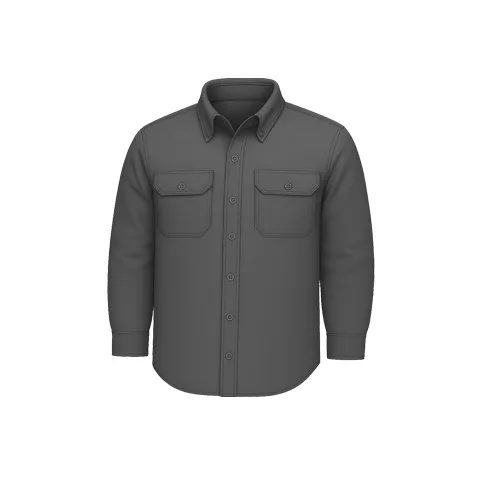
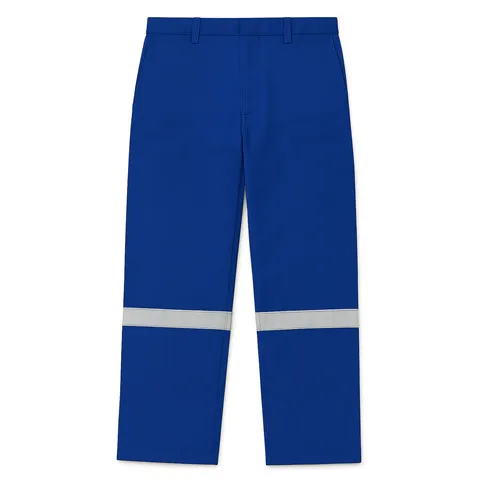
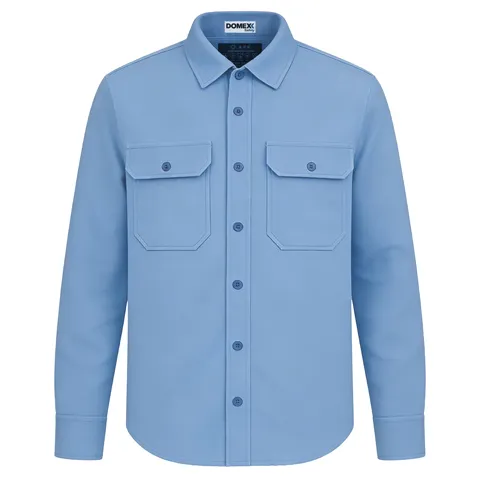
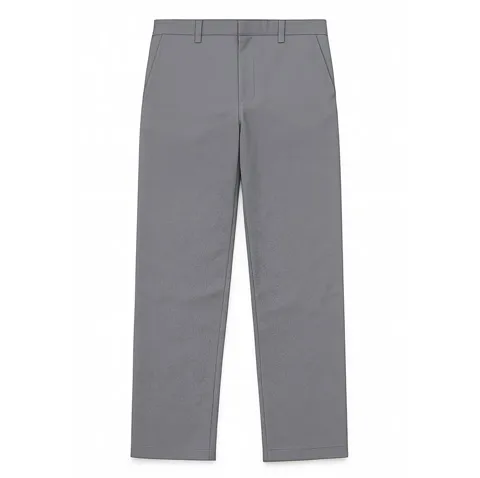
When purchasing flame-resistant (FR) workwear, one of the most common questions buyers ask is: how many washes can it last?
While test reports often show impressive results, real-world performance can vary depending on how garments are used and maintained. Understanding the difference between lab testing and actual use helps companies make better purchasing decisions.
Most FR garments are designed to maintain protective performance for 50–100+ industrial washes under proper conditions.
However, actual lifespan depends more on wear, environment, and care practices than washing alone.
FR fabrics are tested under controlled conditions to evaluate durability.
IN TESTING:
Standardized washing cycles
Controlled temperature and detergent use
No contamination from oil or chemicals
Minimal mechanical stress
These conditions help verify compliance with safety standards.
IN REAL USE:
Exposure to oil, chemicals, and dirt
Frequent heavy-duty washing
Mechanical wear from daily work
Variations in washing methods
Real-world conditions are much harsher than laboratory testing.
Washing alone is not the main factor. Several elements influence garment lifespan.
FABRIC TYPE
Inherent FR → stable performance over time
Treated FR → depends on proper maintenance
WORK ENVIRONMENT
Harsh environments accelerate wear
Exposure to chemicals may affect fabric integrity
WASHING METHODS
Incorrect washing can reduce performance:
Use of bleach
High-temperature drying
Mixing with contaminated garments
FREQUENCY OF USE
Daily use leads to faster wear compared to occasional use.
Instead of counting washes, it is more practical to monitor garment condition.
Key signs include:
Visible damage (holes, tears, thinning fabric)
Broken seams or closures
Persistent contamination
Loss of fabric strength
Protection is determined by condition—not just wash count.
Companies can improve durability by following best practices:
Use mild detergents
Avoid bleach and softeners
Wash FR garments separately
Rotate multiple sets of clothing
Inspect garments regularly
These steps help maintain both performance and cost efficiency.
FR garments are tested to ensure performance after repeated washing under standards such as:
EN ISO 11612
NFPA 2112
ASTM F1506
These tests confirm that protective properties remain effective after multiple wash cycles.
While wash durability is important, it should not be the only factor when evaluating FR workwear. Real-world conditions—such as wear, environment, and maintenance—play a much bigger role in determining garment lifespan.
Choosing high-quality FR clothing and maintaining it properly ensures consistent protection and long-term value.