English
When selecting flame-resistant (FR) workwear, most buyers focus on certifications and fabric type. However, one key factor that directly affects comfort and performance is often overlooked—fabric weight, commonly measured in GSM (grams per square meter).
Choosing the right GSM can make a significant difference in protection, comfort, and durability, especially in demanding industrial environments.
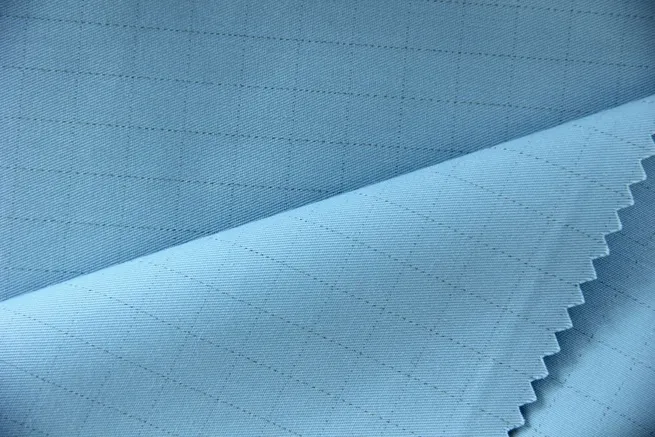
GSM (grams per square meter) indicates the weight and density of a fabric.
In simple terms:
Lower GSM = lighter, more breathable
Higher GSM = heavier, more durable
Selecting the right GSM depends on work environment and hazard level.
Lightweight FR fabrics are designed for comfort and breath-ability, especially in hot climates.
Key benefits:
Better airflow and heat dissipation
Reduced heat stress
More comfortable for long working hours
Greater mobility
Typical applications:
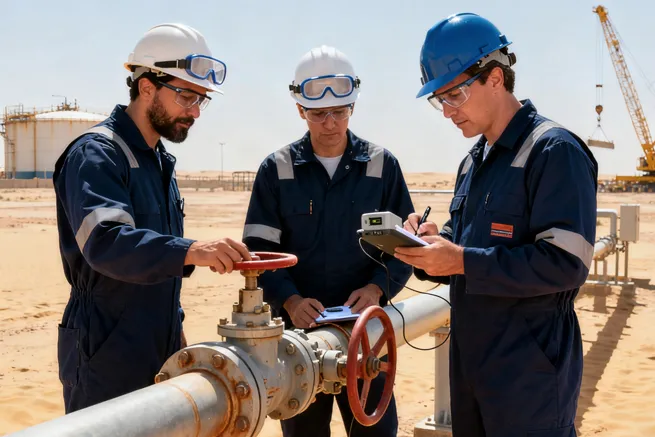
Oil & gas operations in hot regions
Electrical maintenance
Indoor industrial work
Best for environments where comfort is a priority.
Mid-weight fabrics offer a balance between comfort and durability, making them one of the most popular choices.
Key benefits:
Balanced protection and comfort
Good durability for daily use
Suitable for a wide range of conditions
Typical applications:
General industrial work
Manufacturing environments
Maintenance operations
A versatile option for most industries.
Heavyweight FR fabrics are designed for high durability and increased protection.
Key benefits:
Higher resistance to wear and abrasion
Better insulation for cold environments
Suitable for high-risk conditions
Typical applications:
Welding and heavy industry
Harsh outdoor environments
Cold weather operations
Best for demanding and high-impact work environments.
Choosing the right fabric weight depends on several factors:
WORK ENVIRONMENT
Hot climate → lightweight fabrics
Cold or harsh conditions → heavier fabrics
HAZARD LEVEL
Higher risk → may require higher GSM or layered protection
Lower risk → lighter fabrics may be sufficient
WORK DURATION
Long shifts → prioritize comfort and breath-ability
Short tasks → durability may be more important
INDUSTRY REQUIREMENTS
Oil & gas → often midweight for balance
Electrical → depends on arc rating requirements
Manufacturing → varies based on task
There is no single “best” GSM for all applications. The key is finding the right balance:
Too light → may reduce durability
Too heavy → may reduce comfort and increase heat stress
Modern FR workwear is designed to optimize both factors.
Fabric weight can also influence garment lifespan.
To maintain performance:
Follow proper washing procedures
Avoid harsh chemicals
Inspect garments regularly
Replace worn items
Proper care ensures long-term usability.
Fabric weight is a critical factor in selecting FR workwear. By understanding GSM and how it affects performance, companies can choose garments that match their working conditions and safety requirements.
The right choice improves not only protection—but also comfort, productivity, and long-term value.