English
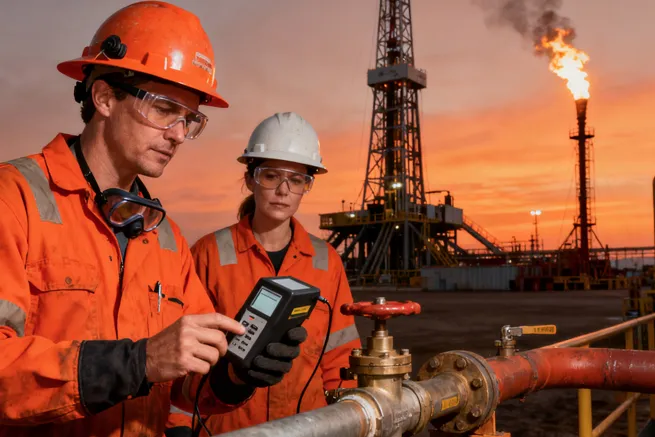
In hazardous industrial environments, a small electrostatic discharge can create a serious risk. In areas where flammable gases, vapors, or dust are present, static electricity can become an ignition source.
To reduce this risk, protective clothing must meet specific requirements. The EN 1149 standard defines how anti-static workwear should perform to help prevent dangerous electrostatic buildup.
EN 1149 is a European standard that specifies the electrostatic performance of protective clothing used in hazardous environments.
It ensures that garments:
Reduce static charge accumulation
Allow safe dissipation of electrostatic energy
Help prevent sparks in explosive atmospheres
It is widely used in oil & gas, chemical, and industrial applications.
Static electricity is often invisible, but in certain environments it can be extremely dangerous.
Risks include:
Ignition of flammable gases or vapors
Explosions in dust-rich environments
Increased safety hazards during fuel handling
Anti-static workwear helps control these risks by reducing electrostatic discharge.
The EN 1149 standard consists of multiple parts that evaluate different properties.
EN 1149-1 – SURFACE RESISTIVITY
Measures how easily electrical charge moves across the fabric surface.
EN 1149-3 – CHARGE DECAY
Evaluates how quickly static electricity dissipates.
EN 1149-5 – PERFORMANCE REQUIREMENTS
Defines requirements for finished garments used in real working conditions.
In practice, EN 1149-5 is the most commonly referenced for workwear compliance.
Anti-static garments are designed using conductive or dissipative fibers.
These fabrics:
Control the buildup of electrical charge
Allow static electricity to dissipate safely
Reduce the likelihood of spark generation
This makes them suitable for environments where ignition must be prevented.
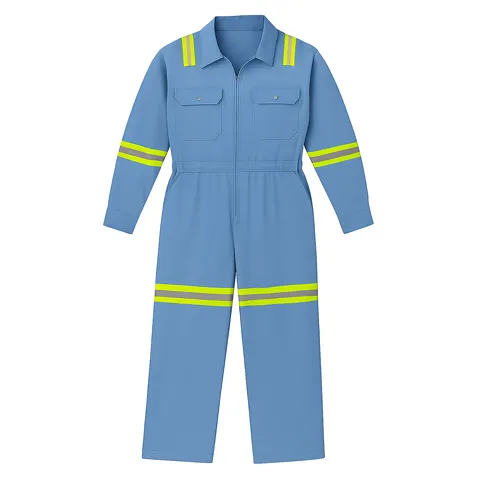
Anti-static clothing is essential in industries such as:
Oil & gas and petrochemical operations
Chemical processing plants
Fuel storage and transportation
Pharmaceutical production
Dust-sensitive manufacturing
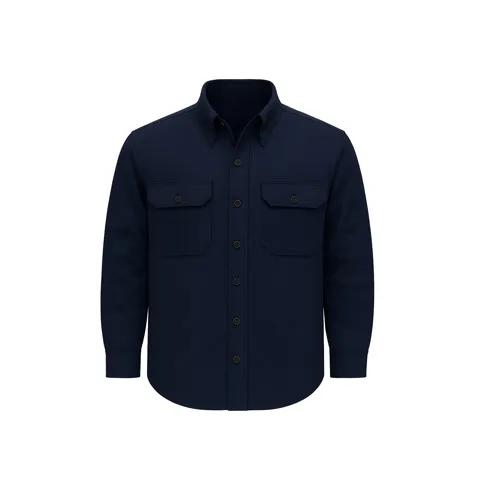
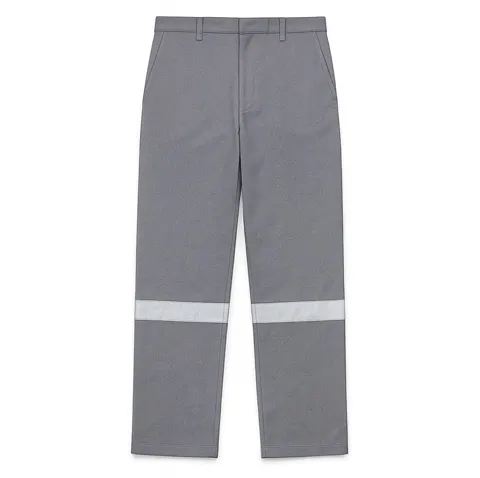
In many cases, anti-static protection is combined with flame-resistant and arc-rated features.
When selecting anti-static workwear, consider:
Certified EN 1149 compliance
Durable fabric construction
Breathability for comfort
Compatibility with multi-hazard protection
Well-designed garments provide both safety and usability.
To maintain performance:
Avoid fabric softeners that affect conductivity
Wash according to instructions
Keep garments clean from contaminants
Inspect regularly for damage
Proper care ensures long-term effectiveness.
The EN 1149 standard plays a key role in protecting workers in hazardous environments where static electricity can pose serious risks. By choosing certified anti-static workwear, companies can reduce ignition hazards and improve workplace safety.
Selecting the right protective clothing is an important step toward safe and reliable operations.