English
Oil and gas workers may face flash fires, static electricity, radiant heat, and electrical hazards. An IFR suit can support a multi-hazard PPE program, but the term "inherent" does not mean that every garment is suitable for every task. Industrial buyers must evaluate the workplace hazard, certified performance, fabric composition, garment design, and operating climate before placing an order.
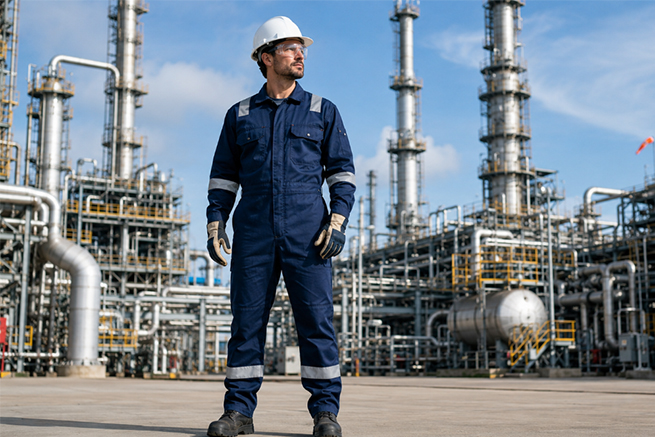
An IFR suit is protective clothing made from inherently flame-resistant fibers. Its flame resistance comes from the chemical structure of the fiber rather than from a finish applied after the fabric has been produced.
Common IFR materials may include meta-aramid, para-aramid, modacrylic, flame-resistant viscose, and specially engineered fiber blends. These materials are designed to resist ignition, limit flame spread, and reduce continued burning after the heat or flame source is removed.
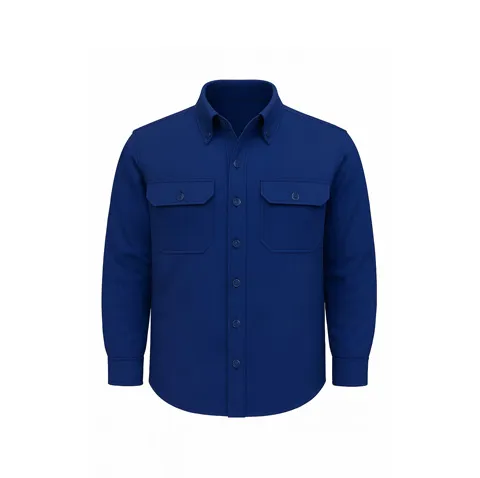
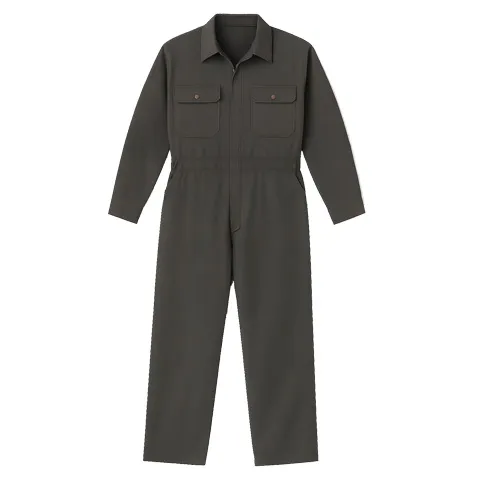
The term IFR suit can describe a one-piece coverall or a two-piece jacket-and-trouser set. However, it does not represent a fixed protection level. Two IFR garments may provide very different flash-fire, arc-flash, anti-static, and thermal performance. Buyers should therefore evaluate the certified garment rather than relying only on the term "IFR."
Drilling sites, refineries, pipelines, petrochemical facilities, and fuel-processing plants may contain flammable gases, vapors, and liquids. If a flash fire occurs, ordinary clothing can ignite, melt, or continue burning after the initial exposure, increasing the severity of burn injuries.
Because flame resistance is built into the fiber, ifr workwear is often considered for long-term uniform programs involving repeated industrial laundering. It can provide stable flame-resistant properties when the garment is correctly selected, maintained, and used.
Inherent protection does not make a garment maintenance-free. Oil, grease, chemicals, physical damage, and incorrect washing can reduce effective protection. Employers still need clear inspection, laundering, and replacement procedures.
Both inherent and treated FR suits can provide effective protection when the complete garment meets the required safety standard. The main difference is how the flame-resistant property is achieved.
| Comparison Point | IFR Suit | Treated FR Suit |
| Flame-resistant technology | Protection is built into the fiber chemistry | Protection is created through a durable fabric treatment |
| Common materials | Aramid, modacrylic, FR viscose, and engineered blends | Treated cotton or cotton-rich blends |
| Laundering consideration | Flame resistance does not depend on a surface treatment | Must be laundered according to the treatment requirements |
| Typical advantages | Low weight, stable FR properties, and strong multi-hazard potential | Cotton-like comfort and potentially lower initial cost |
| Buyer verification | Check certification, test performance, and garment construction | Check treatment durability, wash life, and certification |
| Selection basis | Hazard assessment, performance, and total service life | Hazard assessment, performance, and total service life |
An IFR garment is not automatically safer than a treated FR garment. Buyers should compare certification, test results, laundering requirements, expected service life, comfort, and total ownership cost instead of choosing only by fabric technology.
Selection should begin with the tasks workers actually perform. A drilling crew, refinery operator, pipeline technician, electrician, and welder may work at the same facility but require different protective clothing.
The assessment should consider flash-fire exposure, electric arc energy, static electricity, radiant heat, chemicals, weather, visibility, and abrasion. It should also determine whether workers need a single protective garment or a complete layered clothing system.
The IFR suit must remain compatible with gloves, boots, helmets, respiratory protection, and fall-arrest equipment. Pockets, closures, collars, and harness access points should not interfere with other PPE or create exposed areas during movement.
NFPA 2112 addresses flame-resistant garments for industrial personnel who may be exposed to short-duration thermal hazards from fire. It is frequently referenced for oil and gas, refining, petrochemical, and chemical-processing applications.
ISO 11612 covers protective clothing intended to protect the wearer against heat and flame. Depending on the garment and intended application, buyers may need to review its performance classifications for limited flame spread, convective heat, radiant heat, and other thermal hazards.
Electrical hazards require separate evaluation. ASTM F1506 covers flame-resistant and electric arc-rated clothing, while IEC 61482-2 addresses protective clothing against the thermal hazards of an electric arc.
An inherently flame-resistant fabric is not automatically arc rated. Buyers should request certificates, test reports, and labels that match the exact fabric, components, and garment model being supplied.
Common IFR blends may combine meta-aramid, para-aramid, modacrylic, flame-resistant viscose, and anti-static fibers. Each combination provides a different balance of flame resistance, strength, softness, moisture handling, shrinkage, and cost.
Lightweight fabrics can reduce heat burden and improve mobility in hot climates. Midweight materials may offer a stronger balance between comfort and durability, while heavier or insulated systems may be required for cold-weather operations.
Fabric weight alone does not establish the level of protection. Buyers should also request data on fiber composition, weight tolerance, tensile strength, tear strength, dimensional stability, and laundering performance.
Washed samples should be evaluated before bulk approval because shrinkage, seam behavior, and fabric appearance can affect fit, coverage, and long-term uniform quality.
Oil and gas environments may require protection against several hazards at the same time. In flammable atmospheres, electrostatic-dissipative clothing may form part of a properly grounded protective system. EN 1149-5 is commonly used for electrostatic protective clothing requirements.
Electrical maintenance personnel may also require an arc-rated IFR suit. Buyers should verify the applicable standard and arc rating in cal/cm², then match that rating to the site’s electrical risk assessment.
NFPA 2112 or ISO 11612 compliance does not automatically establish electric arc protection. Arc performance must be confirmed separately.
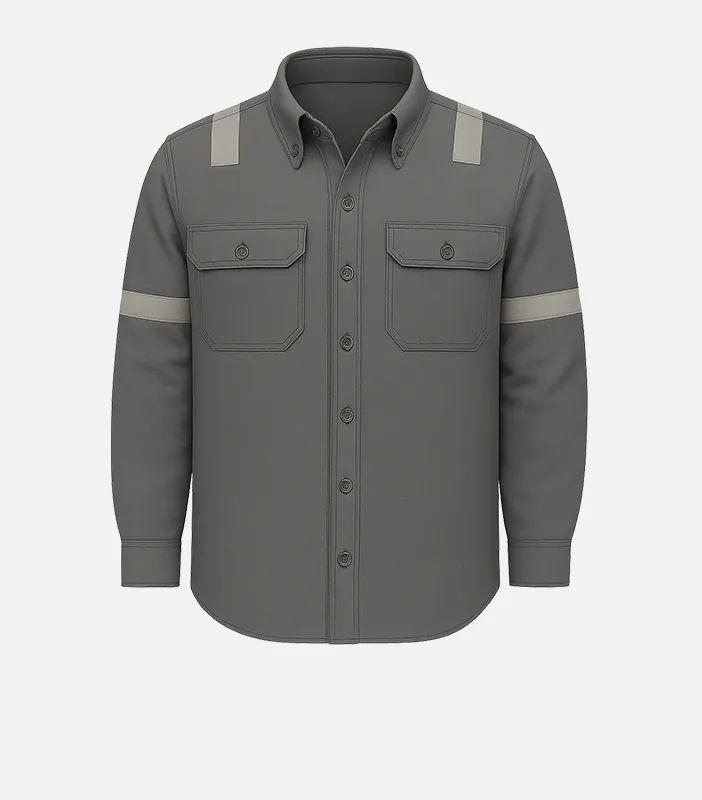
Workers operating near vehicles, drilling equipment, or heavy machinery may also need high-visibility protection. Reflective tape and background materials should remain compatible with the flame, heat, and arc hazards identified for the site.
One-piece ifr coveralls provide continuous coverage from the upper body to the legs. This design reduces the risk of a gap opening at the waist when workers bend, climb, or reach.
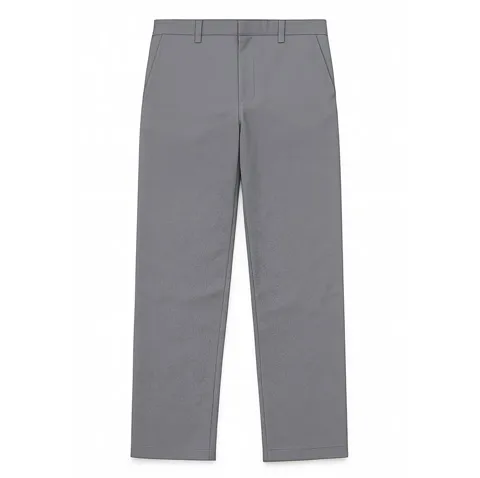
A jacket-and-pants suit offers greater flexibility in sizing, layering, and replacement. Individual pieces can be replaced separately, and workers can adjust the clothing system according to changes in temperature or task requirements.
However, a two-piece design can separate at the waist during movement. Buyers should evaluate jacket length, overlap, fit, and worker movement during sample trials.
The better option depends on the hazard assessment, climate, mobility requirements, PPE interaction, and company uniform policy.
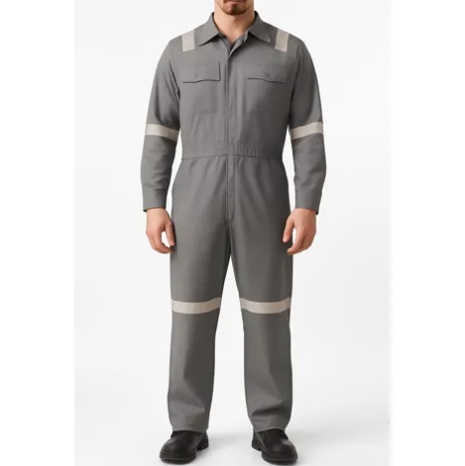
For hot oilfield locations, buyers should prioritize breathable fabrics, moisture management, and an ergonomic garment cut. Underarm gussets, action backs, articulated knees, and adequate ease at the shoulders and crotch can improve movement without requiring an oversized garment.
Heat stress should be considered together with protection. A garment that is excessively heavy or poorly ventilated may discourage correct use, especially during long shifts in hot and humid environments.
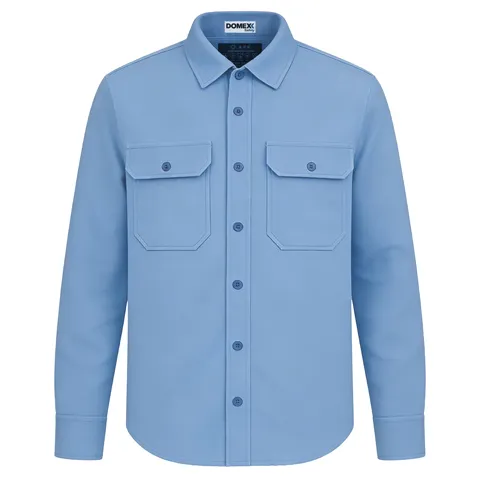
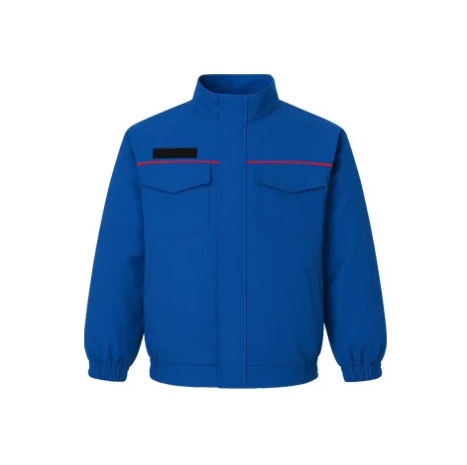
For cold, windy, or offshore locations, an ifr jacket can be combined with compatible FR base layers and mid layers. Insulation, wind resistance, and moisture protection should be evaluated as a complete system.
Non-FR hoodies, melting synthetic underwear, or unverified rainwear can compromise protection. Fit testing should include the actual layers and equipment that workers will use on site.
Before approving a bulk IFR suit order, buyers should verify:
Certificates and test reports for the exact fabric and garment model
Applicable standards and stated performance levels
Fabric composition, weight, and weight tolerance
Garment labels, care instructions, and traceability information
Shrinkage and industrial-laundering compatibility
FR sewing thread, closures, and reflective components
Size charts, fit samples, and worker mobility
Anti-static, arc-rated, and high-visibility evidence where required
Compatibility with helmets, gloves, harnesses, and other PPE
Quality-control procedures and production consistency
Safe logo, embroidery, and private-label methods
Minimum order quantity, production capacity, and lead time
Buyers should review the complete garment specification rather than relying only on a fabric certificate. Seams, closures, reflective tape, labels, and customization can all affect the suitability of the finished garment.
The flame-resistant property is inherent to the fiber rather than dependent on a topical finish. However, contamination, damage, and incorrect laundering can still make the garment unsuitable for use.
No. IFR describes the fiber or fabric technology, not the certification of the finished garment. Compliance must be verified for the exact fabric, components, and garment design.
Only when the garment has been tested and assigned an appropriate arc rating. Inherent flame resistance alone does not establish arc-flash protection.
A coverall provides continuous coverage, while a two-piece suit offers more flexibility in sizing, layering, and component replacement. The better option depends on the task, climate, and PPE system.
There is no universal best fabric weight. Hot climates may favor lighter fabrics, while cold or abrasive working conditions may require heavier or layered systems. Verified testing, rather than weight alone, confirms protective performance.