English
An arc flash jacket and an FR jacket can look similar, but they are not designed for exactly the same hazard. Both may use flame-resistant fabrics, yet only a garment tested and assigned an arc rating can be selected for a specified arc flash exposure.
An arc flash jacket is an outer garment designed for workers exposed to the thermal effects of an electric arc. It is made from flame-resistant materials and carries a verified arc rating expressed in calories per square centimeter, or cal/cm².
The rating may be reported as ATPV, which stands for Arc Thermal Performance Value, or as EBT, which means Energy Breakopen Threshold. It indicates the tested performance of the material system during an arc exposure.
ASTM F1506 establishes performance requirements for flame-resistant and electric arc-rated protective clothing. Arc ratings are determined through testing such as ASTM F1959. Garment features may include covered closures, adjustable cuffs, protective collars, and reflective trim, depending on the work environment.
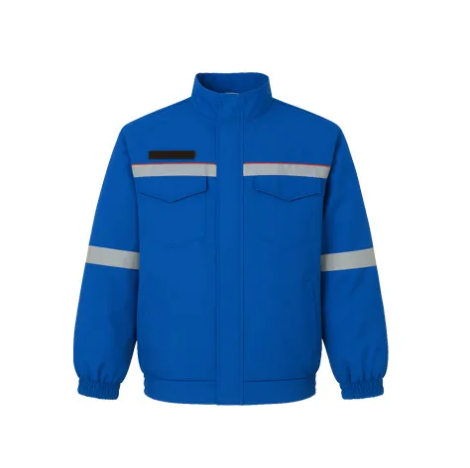
An FR jacket is a flame-resistant work jacket intended to resist ignition, limit flame spread, and self-extinguish after the ignition source is removed. It may be manufactured from inherently flame-resistant fibers or treated fabrics.
FR jackets are commonly used in oil and gas, petrochemical processing, welding, metalworking, and general manufacturing. An FR jacket may comply with NFPA 2112, carry an arc rating, or meet both requirements.
The term “FR” therefore describes an important protective property, but it does not by itself confirm that the garment has been tested for electric arc protection.
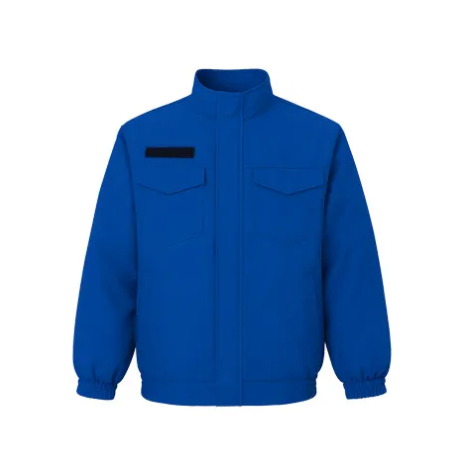
The main difference is the hazard for which the garment has been evaluated.
| Comparison Point | Arc Flash Jacket | FR Jacket |
| Primary hazard | Electric arc flash | Flame or flash fire |
| Required rating | Arc rating in cal/cm² | May have no arc rating |
| Common standard | ASTM F1506 | NFPA 2112 |
| Typical users | Electricians and utility crews | Oil, gas, and industrial workers |
| Selection basis | Incident energy or PPE category | Flash-fire hazard assessment |
Some jackets are designed to cover both hazards, but buyers should verify every rating and certification separately. A garment described as FR should not automatically be treated as suitable for electrical work.
No. Flame resistance is necessary for arc-rated clothing, but an FR label alone does not prove that a garment has been tested for electric arc exposure. Only clothing with an assigned arc rating should be treated as arc rated.
When comparing arc flash clothing manufacturers, industrial buyers should request the stated arc rating, applicable test reports, garment labels, fabric details, and quality-control information. Terms such as “fireproof,” “heat resistant,” or “flame retardant” are not substitutes for verified arc-performance data.
An unrated FR garment may suit a properly assessed flame or flash-fire hazard, but it should not replace arc-rated PPE when an electrical safety assessment requires a specific rating.
ASTM F1506 specifies minimum performance requirements for protective clothing worn by workers exposed to flames and electric arcs. It addresses areas such as flame resistance, arc rating, garment construction, durability, and labeling.
NFPA 2112 focuses on flame-resistant garments used where industrial personnel may experience short-duration thermal exposure from fire. It is especially relevant to oil and gas, chemical processing, refining, and related industrial operations.
Electrical work may require ASTM F1506-compliant garments selected through an NFPA 70E-based electrical safety program. Oil and gas work may prioritize clothing certified to NFPA 2112. Mixed-hazard facilities may require garments that meet both arc-flash and flash-fire protection needs.
Buyers should therefore identify the actual workplace hazard before specifying a standard. Selecting the standard first and attempting to apply it to every job can result in unsuitable PPE.
Garment selection should begin with a documented hazard assessment.
For energized electrical tasks, safety teams should review the expected incident energy or required arc flash PPE category. The selected arc flash jacket must provide an appropriate arc rating and work as part of a complete protective system. Shirts, trousers, face protection, gloves, and other PPE must also be suitable for the task.
For oil and gas or petrochemical sites, buyers should determine whether flash fire is the primary hazard. NFPA 2112 compliance, anti-static performance, enhanced visibility, and industrial-laundering durability may all be important.
When workers perform both process-related and electrical tasks, a multi-standard garment may be more practical. However, the supplier should provide documentation for every claimed standard and rating.
Arc rating and fabric weight are not the same measurement. Fabric weight can affect warmth, durability, and comfort, but it cannot independently confirm the level of arc protection.
Fiber composition, fabric construction, weave, layers, and the complete garment system all influence performance. A heavier jacket is therefore not automatically more arc protective than a lighter garment with a higher tested rating.
Lightweight jackets may be preferable in hot climates or indoor facilities where heat stress is a concern. Outdoor utility workers may need insulated garments for cold-weather maintenance, while offshore or wind-energy crews may require water-resistant outerwear.
Weather resistance should also be evaluated separately. A waterproof or water-resistant finish does not automatically make a garment arc rated. All components and underlying clothing layers should be compatible with the identified hazard.
Electrical utilities and energized maintenance: Choose an arc-rated jacket with a cal/cm² value that meets the documented exposure. Mobility, visibility, temperature, and weather conditions should also be considered.
Oil and gas facilities: Suitable fr work jackets should be selected according to the site’s flash-fire assessment, climate, and working conditions. Buyers may also require NFPA 2112 certification, anti-static properties, and compatibility with FR trousers or coveralls.
Outdoor power and offshore projects: Consider a weather-resistant arc-rated jacket that provides suitable insulation without restricting movement. Confirm that the complete fabric and garment system has been evaluated.
Welding and general manufacturing: Select an FR jacket designed for the identified exposure, which may include sparks, flame, radiant heat, or molten metal. Arc-rated protection is also necessary when an electric arc hazard is present.
Mixed-hazard industrial sites: A multi-standard jacket may simplify uniform management and inventory, provided all required certifications, ratings, and design features are documented.
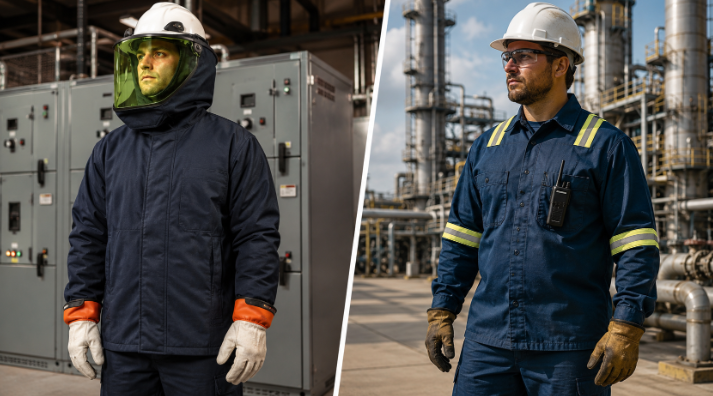
Before approving a bulk jacket order, industrial buyers should verify:
The workplace hazard and required protection level
Applicable standards and certification status
Arc rating in cal/cm² when arc protection is required
Fabric composition, weight, and FR technology
Test reports and garment-label information
Closures, cuffs, collar, and pocket configuration
Compatibility with shirts, trousers, and other PPE
Available size range, fit samples, and worker mobility
Shrinkage and industrial-laundering durability
Anti-static, visibility, and weather-protection requirements
Logo, embroidery, and private-label limitations
Quality-control procedures, production capacity, and lead time
Customization should also be reviewed carefully. Non-FR logos, exposed metal components, or unapproved design changes may affect garment performance.
Not always. An arc flash jacket is flame resistant and carries a tested arc rating. An FR jacket may protect against flame or flash fire without having been evaluated for electric arc exposure.
The arc rating indicates the tested performance of a material system during electric arc exposure and is expressed in cal/cm². It may be reported as ATPV or EBT.
Only when the jacket also has the required arc rating and meets the site’s electrical PPE specification. NFPA 2112 certification alone does not establish arc-flash performance.
No. Fabric weight is not a substitute for a verified arc rating or certification. Buyers should compare tested performance, garment construction, and suitability for the actual work environment.
Buyers should request relevant test reports, certificates, arc-rating data, fabric specifications, garment-label details, and quality-control information. The documents should match the exact fabric and jacket model being ordered.