English
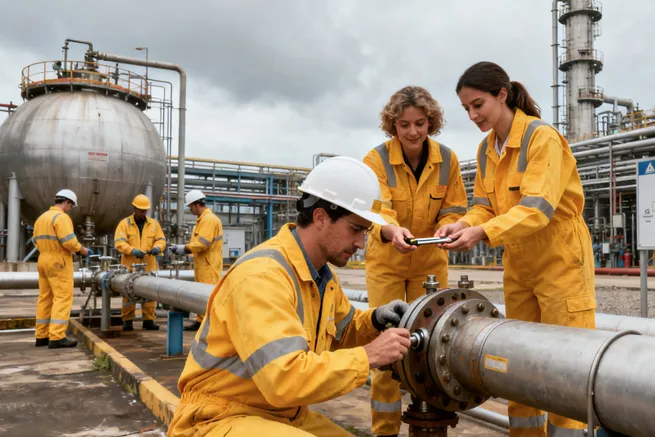
Selecting the right flame-resistant (FR) workwear is a critical decision for companies operating in hazardous industrial environments. Workers in industries such as oil & gas, electrical utilities, petrochemical processing, and heavy manufacturing face risks from flash fires, arc flashes, and extreme heat.
High-quality FR clothing—such as jackets, pants, and coveralls—helps reduce burn injuries and improve workplace safety. Understanding what to look for when purchasing FR workwear ensures your team receives the protection they need while maintaining comfort and productivity.
Before selecting flame-resistant clothing, companies should first conduct a hazard assessment. Different industries face different types of thermal risks.
Common hazards include:
Flash fire hazards in oil and gas operations
Arc flash hazards in electrical environments
Sparks and molten metal in welding and metal fabrication
High heat exposure in heavy manufacturing
Identifying these risks helps determine the type of protective clothing required.
Reliable FR clothing must comply with recognized safety standards that verify protective performance.
Common standards include:
EN ISO 11612 – Protection against heat and flame
NFPA 2112 – Flash fire protective clothing
ASTM F1506 – Arc-rated clothing for electrical workers
EN 1149-5 – Anti-static protective clothing
Garments that meet these standards are tested to ensure they provide effective protection in hazardous environments.
Flame-resistant fabrics generally fall into two categories.
INHERENTLY FLAME-RESISTANT FABRICS
Protection is built into the fiber itself and does not wash out over time. These fabrics maintain consistent performance throughout the life of the garment.
TREATED FLAME-RESISTANT FABRICS
The base fabric is treated with flame-resistant chemicals that provide protective properties. When properly manufactured and maintained, treated fabrics can also provide reliable protection.
Both options can be effective depending on the working environment and garment design.
Different tasks require different types of protective clothing. Companies should select garments based on the work environment and level of risk.
Common FR garments include:
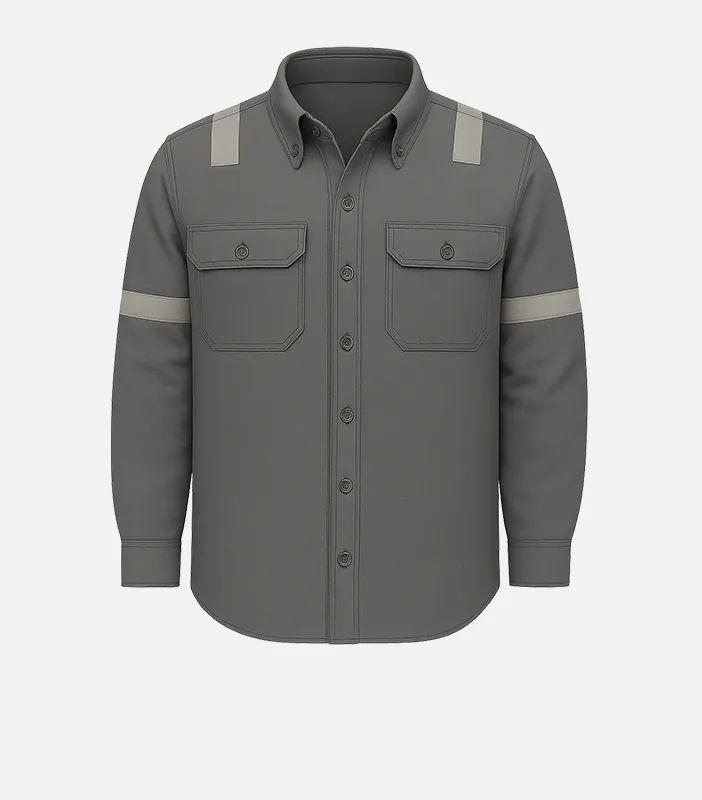
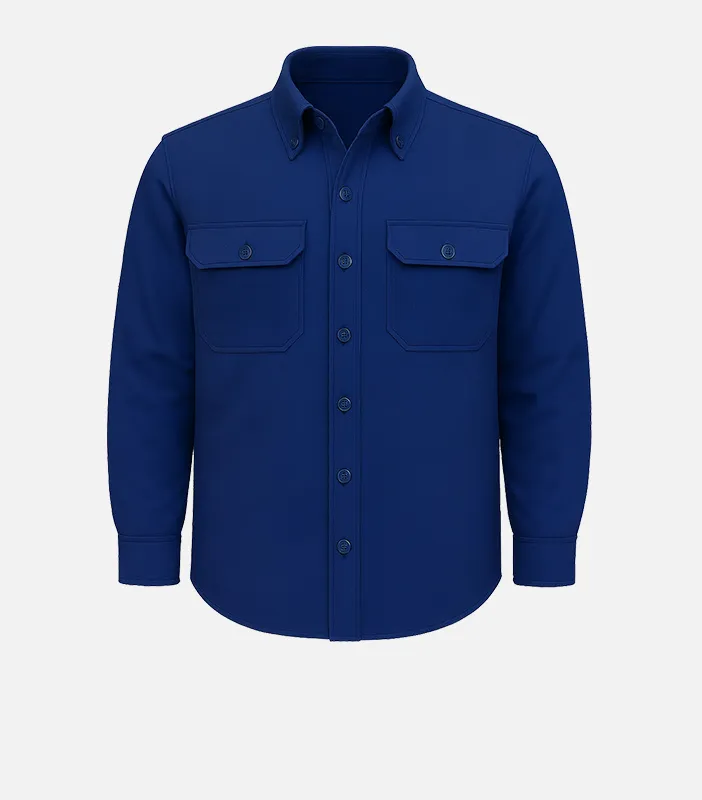
FR Jackets – Ideal for outdoor or heavy-duty environments
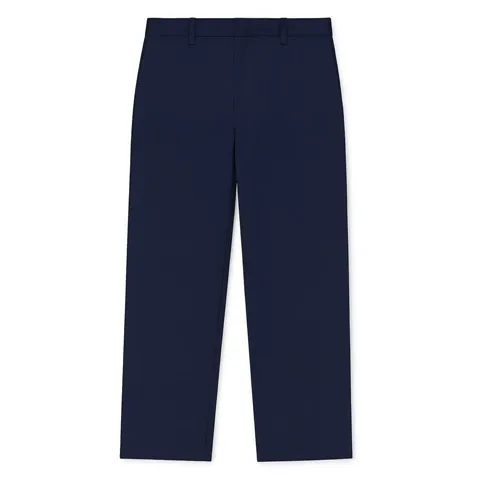
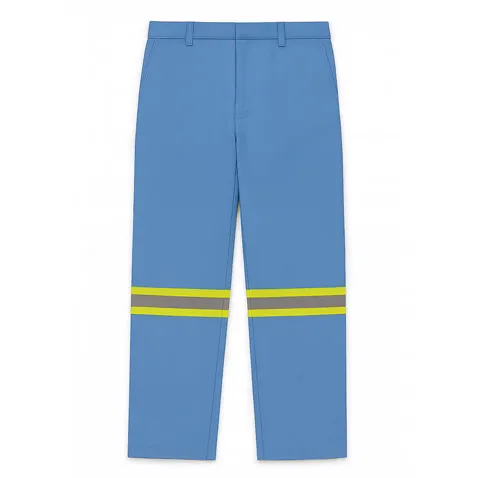
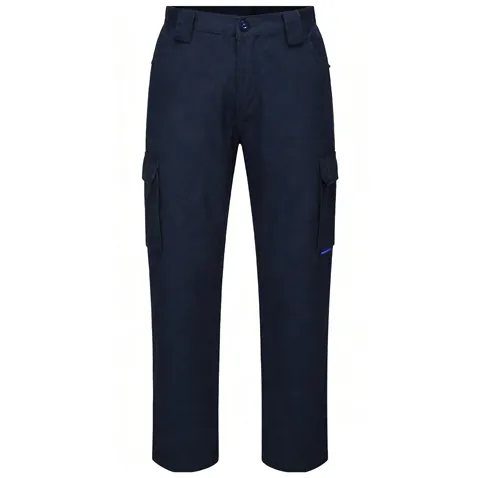
FR Pants – Flexible protection for everyday work tasks
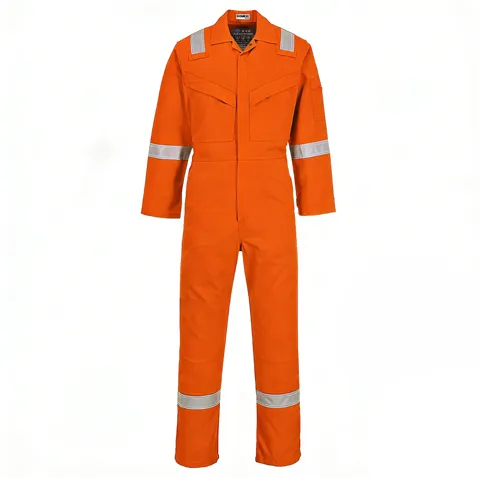
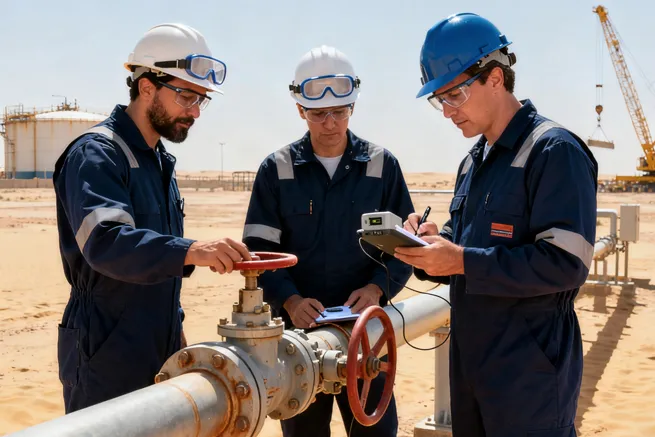
FR Coveralls – Full-body protection in high-risk areas
Arc-rated clothing – Additional protection for electrical hazards
Choosing the right garment combination ensures workers remain protected without sacrificing comfort.
FR workwear must withstand demanding conditions, including frequent washing, abrasion, and long work shifts.
When selecting garments, companies should consider:
Fabric durability and strength
Breathability and comfort for long shifts
Ease of maintenance and washing procedures
Proper garment care is important to maintain protective performance throughout the life of the clothing.
Choosing the right flame-resistant workwear is essential for protecting workers in hazardous environments. By understanding workplace risks, verifying safety standards, selecting appropriate fabrics, and choosing the right garment types, companies can build a protective clothing program that improves both safety and productivity.
Investing in high-quality FR workwear is not just a safety requirement—it is a long-term investment in worker protection and operational reliability.