English
When selecting flame-resistant (FR) workwear for hazardous industries, safety managers often encounter two important standards: EN ISO 11612 and NFPA 2112. Both standards define performance requirements for protective clothing designed to protect workers from heat and fire hazards.
However, these two standards focus on different types of risks and testing methods. Understanding the differences helps companies choose the right protective garments—such as FR jackets, pants, and coveralls—for their specific work environment.
EN ISO 11612 is an international standard widely used in Europe, the Middle East, and many global industrial projects. It specifies the minimum performance requirements for protective clothing designed to protect workers against heat and flame hazards.
Garments tested under EN ISO 11612 must provide protection against several types of thermal exposure, including:
Brief flame exposure
Convective heat from flames or hot gases
Radiant heat from furnaces or hot equipment
Molten metal splashes
Contact heat from hot surfaces
Because of its broad coverage of heat hazards, EN ISO 11612 is commonly used in industries such as metal processing, welding, heavy manufacturing, and oil & gas operations.
NFPA 2112 is a standard developed by the National Fire Protection Association (NFPA) in the United States. It focuses specifically on protection against industrial flash fire hazards.
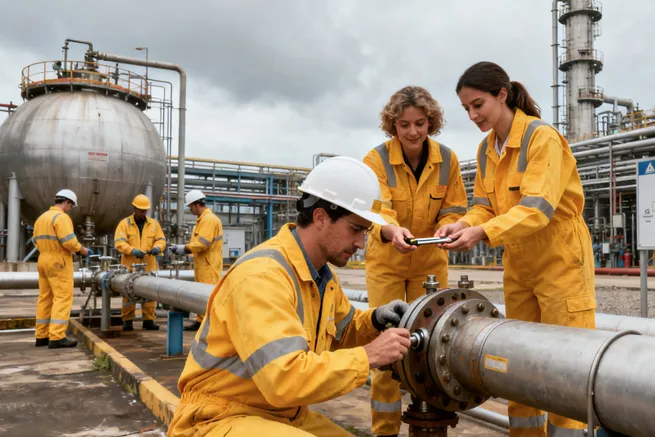
Flash fires can occur when flammable gases, vapors, or liquids ignite suddenly in workplaces such as refineries or petrochemical plants.
FR garments certified to NFPA 2112 must pass several strict tests, including:
Flame resistance testing
Thermal Protective Performance (TPP) testing
Heat resistance testing
Full garment flash fire manikin testing
These tests ensure that the clothing provides effective protection during short but intense flash fire events.
While both standards address flame-resistant clothing, they differ in focus and testing approach.
EN ISO 11612
International standard used widely outside North America
Covers multiple heat hazards such as radiant heat and molten metal
Uses performance codes such as A, B, C, D, E, and F to indicate protection levels
NFPA 2112
Primarily used in the United States oil and gas industry
Focuses specifically on flash fire protection
Requires full garment flash fire testing on an instrumented manikin
Because of these differences, the standards complement each other rather than directly replacing one another.
The choice between EN ISO 11612 and NFPA 2112 often depends on the region and industry requirements.
EN ISO 11612 is commonly used in:
European industrial facilities
Global oil and gas projects
Welding and metal processing industries
Manufacturing environments with high heat exposure
NFPA 2112 is commonly required in:
U.S. oil and gas operations
Petrochemical refineries
Chemical processing plants
Fuel storage and transportation facilities
Some high-performance FR garments meet both standards, providing multi-hazard protection.
When selecting flame-resistant protective clothing, companies should consider several factors:
Workplace hazards (flash fire, radiant heat, arc flash)
Local safety regulations and project requirements
Fabric technology (inherent FR vs treated FR)
Comfort and durability for long work shifts
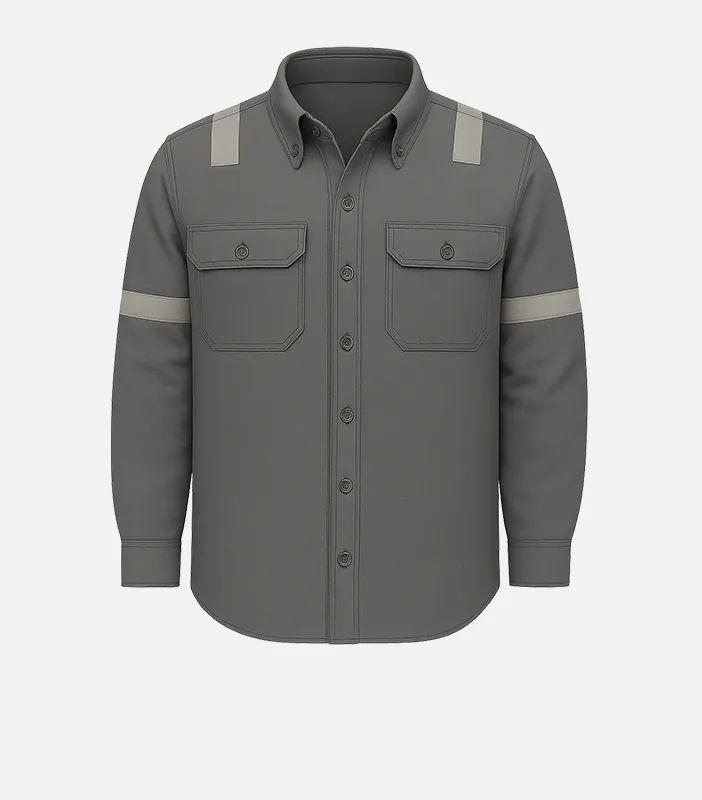
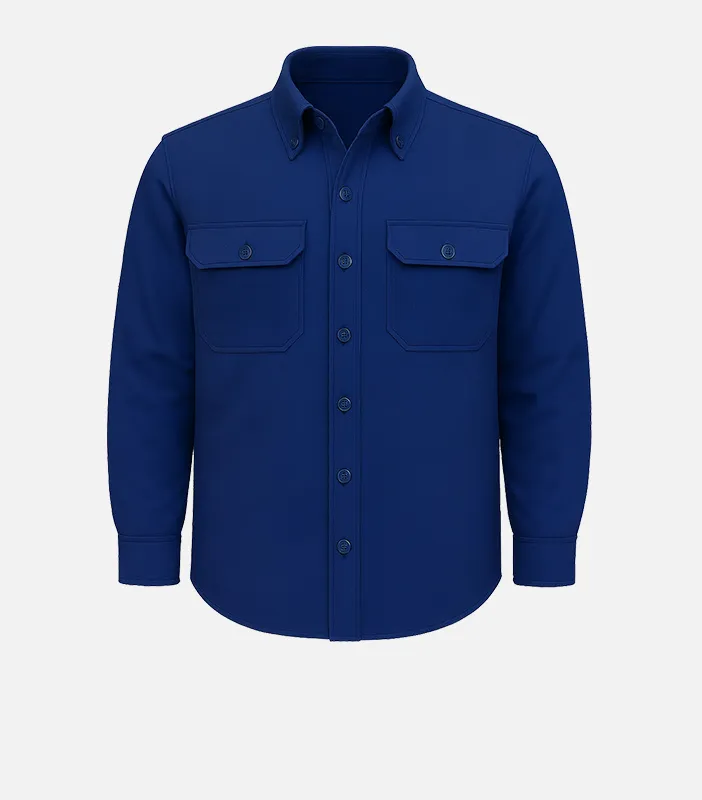
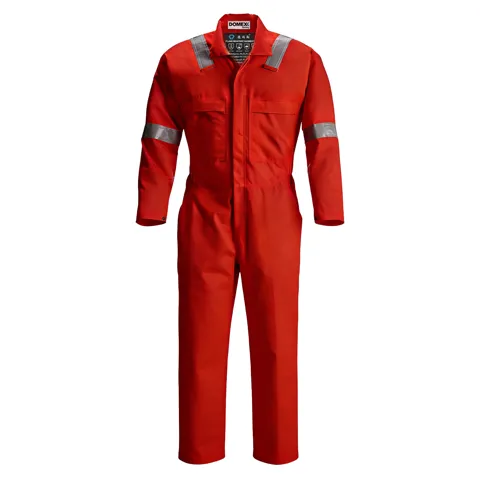
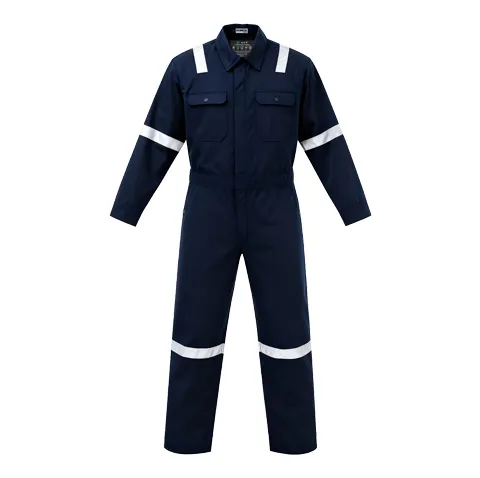
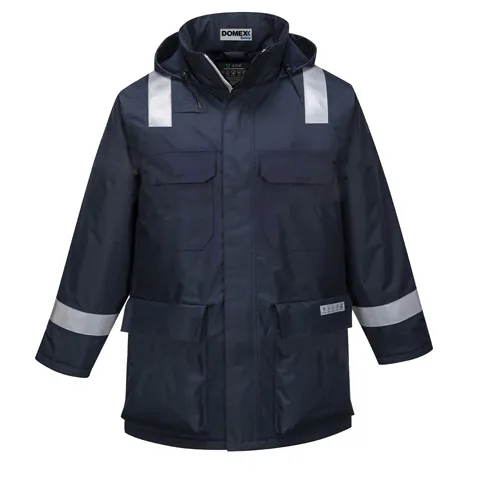
High-quality FR workwear—such as FR jackets, pants, and coveralls—should always comply with recognized international safety standards to ensure reliable protection.
Both EN ISO 11612 and NFPA 2112 are critical standards for flame-resistant protective clothing. While EN ISO 11612 focuses on protection from various heat sources, NFPA 2112 specifically addresses flash fire hazards common in the oil and gas industry.
Understanding these standards allows companies to select FR garments that match their working environment and ensure workers remain protected in hazardous conditions.