English
In modern industrial environments, workers are rarely exposed to just one type of hazard. In sectors such as oil & gas, petrochemical, and electrical utilities, multiple risks often exist at the same time—including flash fire, arc flash, and electrostatic discharge.
This has led to the growing demand for multi-hazard protective workwear that integrates flame resistance, arc-rated protection, and anti-static performance into a single garment.
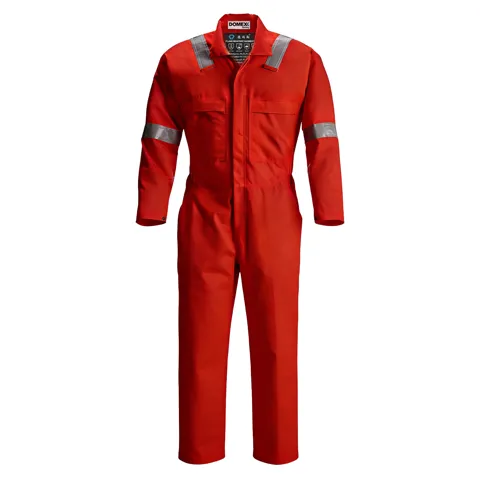
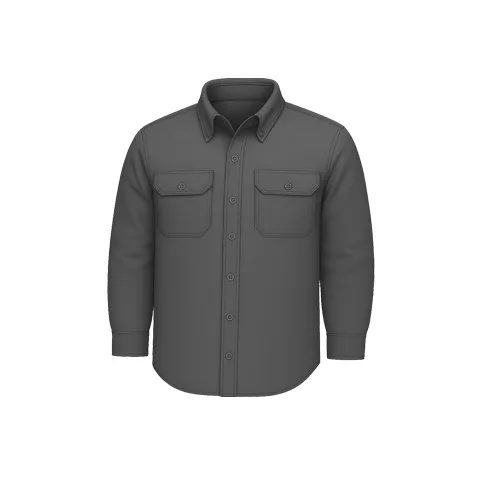
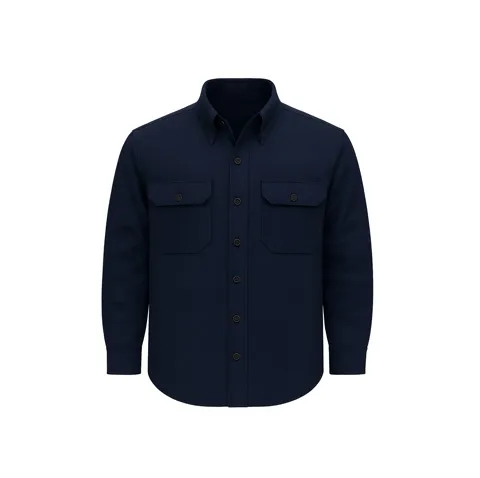
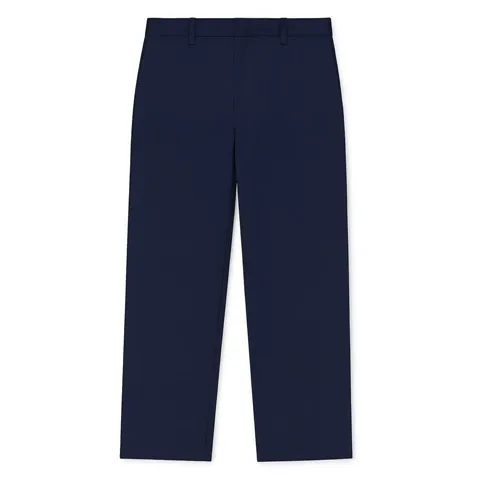
Multi-hazard workwear is protective clothing designed to protect against more than one type of industrial risk at the same time.
Typically, this includes:
Flame-resistant (FR) protection
Arc flash (AR) protection
Anti-static (ESD) properties
One garment, multiple layers of safety.
In many real-world work environments, hazards overlap.
For example:
Oil & gas sites → flash fire + static electricity
Electrical maintenance → arc flash + heat exposure
Petrochemical plants → flammable gases + electrical risk
Using separate PPE for each risk is often impractical. Multi-hazard garments provide a simplified and reliable solution.
Flame-resistant fabrics are designed to:
Resist ignition
Self-extinguish after flame exposure
Reduce burn injuries
Common standards include:
EN ISO 11612
NFPA 2112
This forms the foundation of multi-hazard protection.
Arc-rated clothing protects against thermal energy released during electrical faults.
Important standards include:
IEC 61482-2
lASTM F1506
NFPA 70E (application standard)
Key factor:
ATPV rating (cal/cm²) determines protection level
Anti-static workwear reduces the risk of electrostatic discharge, which can ignite flammable environments.
Key standard:
EN 1149-5
This is especially critical in:
Oil & gas operations
Chemical plants
Dust-sensitive environments
Modern protective garments achieve multi-hazard performance through advanced fabric engineering.
Typical fabric composition may include:
Flame-resistant fibers (for FR protection)
Aramid blends (for thermal stability)
Anti-static fibers (for charge dissipation)
These materials are woven together to ensure:
Balanced protection across multiple hazards
Long-term durability
Comfort for extended wear
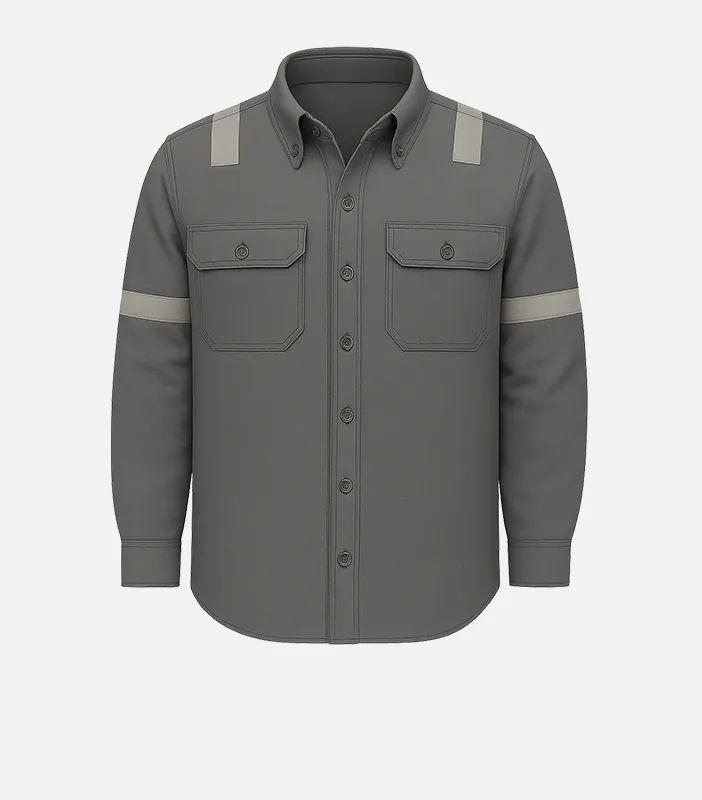
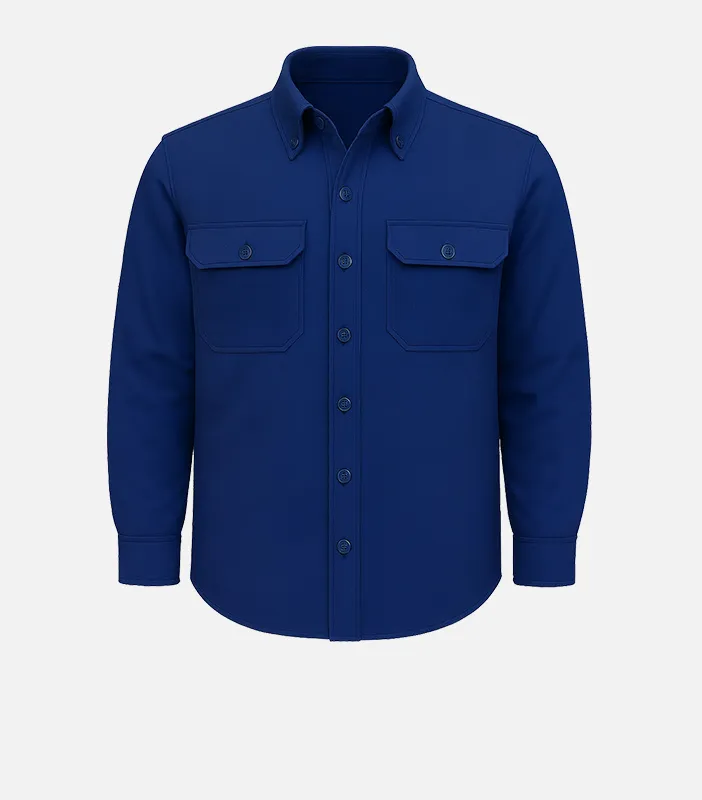
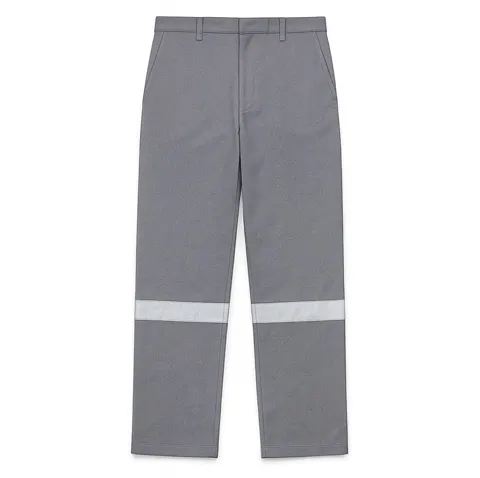
A high-quality multi-hazard garment should also include:
Reinforced seams for durability
Ergonomic fit for mobility
Breathable construction to reduce heat stress
Functional pockets and closures
High-visibility options if required
Design plays a key role in real-world usability.
Combined protection is widely used in:
Oil & gas and petrochemical industries
Electrical utilities and maintenance
Mining and heavy industry
Industrial construction and engineering projects
These environments require reliable, all-in-one protective solutions.
To maintain multi-hazard performance:
Wash garments using recommended methods
Avoid bleach and fabric softeners
Inspect regularly for wear
Replace damaged garments
Proper maintenance ensures long-term safety performance.
As industrial environments become more complex, the need for multi-hazard protection continues to grow. Combining flame resistance, arc flash protection, and anti-static performance into one garment provides a practical and efficient solution for worker safety.
Choosing the right multi-hazard workwear helps companies improve safety compliance, reduce risk, and simplify PPE management.