English
Electrical work presents serious risks, especially when dealing with energized equipment. Arc flash incidents can release intense heat and energy in milliseconds, making proper protective equipment essential.
Selecting the right arc flash PPE is not just about compliance—it directly impacts worker safety, comfort, and performance in the field.
Choose arc flash PPE based on hazard level, arc rating (cal/cm²), applicable standards, and working conditions.
The key is matching protection level to real workplace risk.
Before selecting PPE, conduct a hazard assessment.
Key factors include:
Incident energy level (cal/cm²)
Working distance from equipment
Type of electrical system
Task being performed
This assessment determines the minimum protection level required.
Arc rating is the most critical factor when selecting PPE.
Measured in cal/cm²
Indicates how much energy the garment can withstand
Higher rating = higher protection
Always select PPE with an arc rating equal to or greater than the hazard level.
Ensure garments meet recognized standards:
ASTM F1506 – Arc-rated clothing performance
NFPA 70E – PPE selection guidance
IEC 61482-2 – Arc flash protective clothing
Compliance ensures reliable performance in hazardous environments.
Different tasks require different protective clothing.
Common options include:
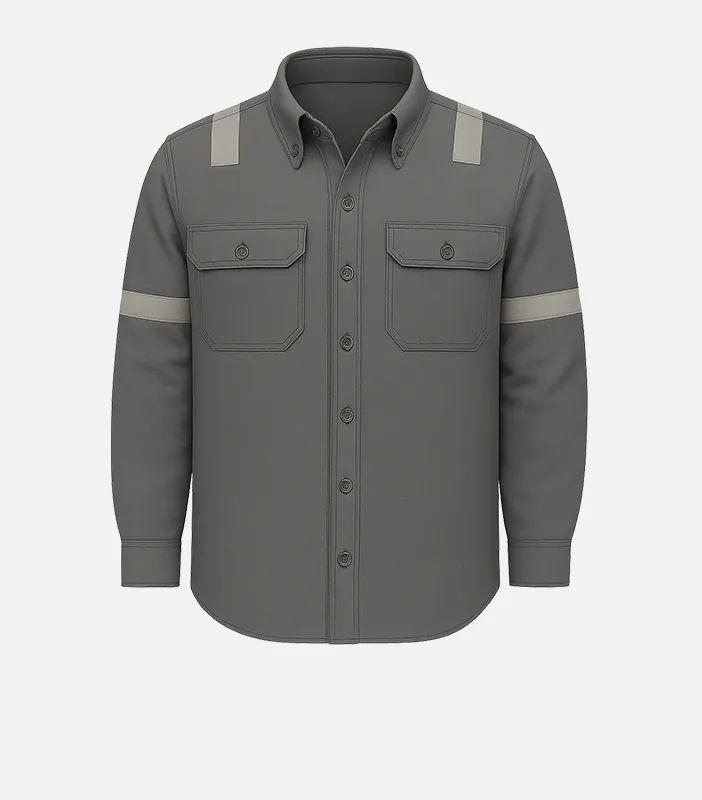
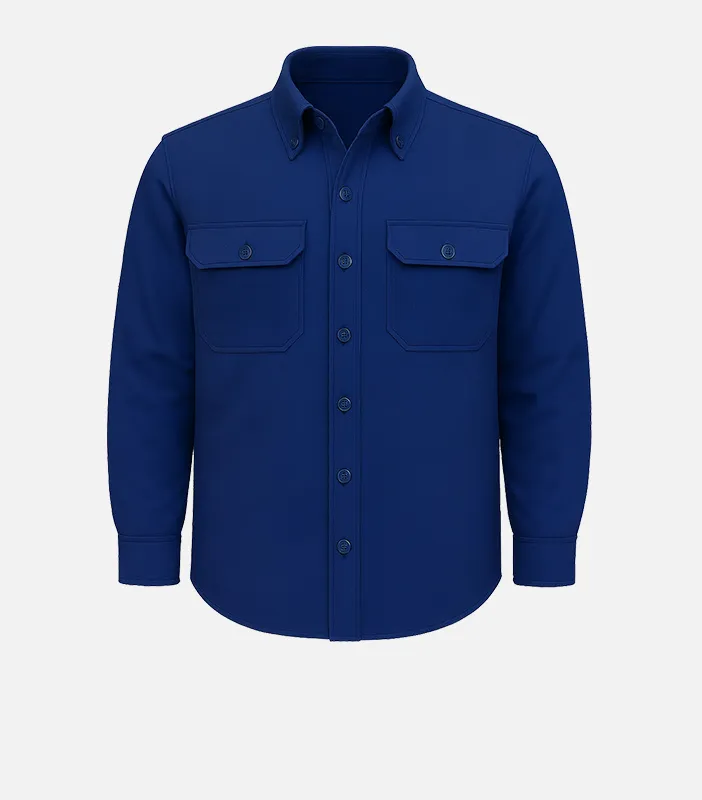
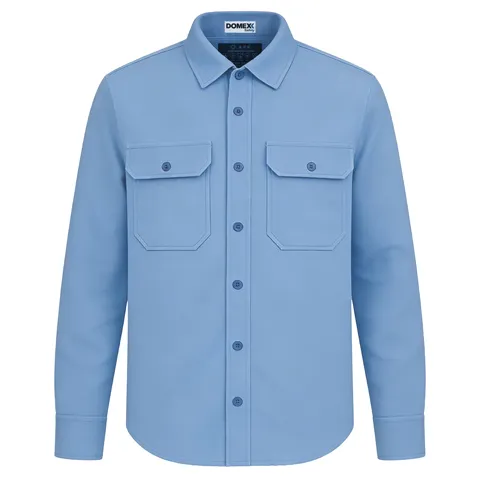
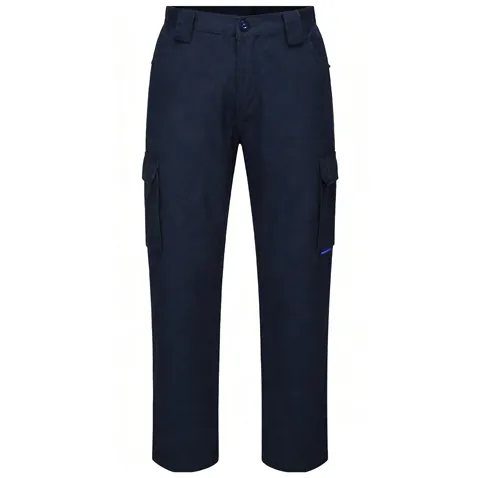
Arc-rated shirts and pants – for lower-risk tasks
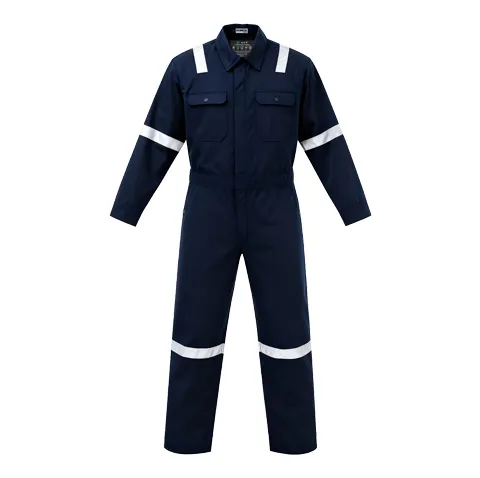
FR coveralls – for full-body protection
Arc flash jackets – for layered systems
Arc flash suits – for high-risk environments
Selecting the right combination improves both safety and comfort.
PPE must be worn for long periods, so comfort matters.
Consider:
Breathability for hot environments
Lightweight vs heavy protection
Flexibility and mobility
Climate conditions
Balanced design improves worker compliance and efficiency.
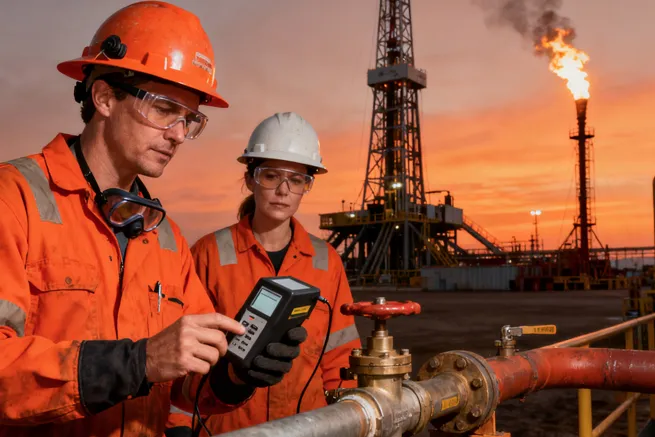
In many environments, workers face multiple risks.
Look for PPE that combines:
Flame resistance
Arc flash protection
Anti-static performance
Multi-hazard garments reduce the need for multiple layers.
To ensure long-term protection:
Follow proper washing procedures
Inspect garments regularly
Replace damaged or worn items
Maintenance is essential to maintain performance.
Selecting the right arc flash PPE requires a clear understanding of workplace hazards, arc ratings, and garment performance. By choosing protective clothing that matches the actual risk level, companies can significantly improve worker safety and operational efficiency.
The right PPE is not just protective—it is essential for safe and reliable electrical work.