English
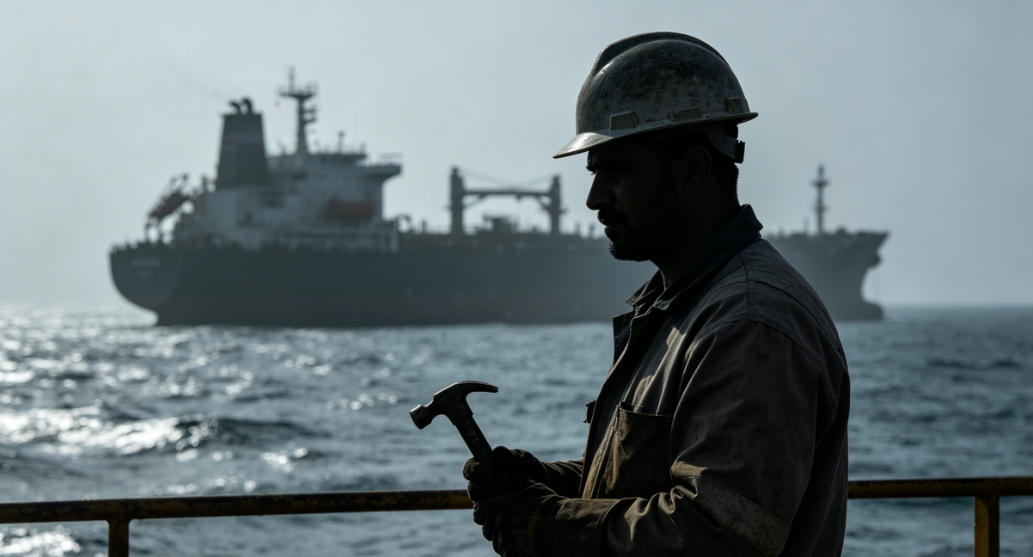
The Strait of Hormuz remains one of the most critical global energy chokepoints, handling approximately 20% of the world’s oil supply. Recent geopolitical tensions in 2026 have disrupted shipping flows, triggering volatility in oil and petrochemical markets.
Late 2025: Rising geopolitical tensions in the Gulf region
Q1 2026: Increased military activity affects shipping confidence
March 2026: Oil tanker traffic declines and insurance costs surge
April 2026: Global oil and petrochemical prices rise sharply
The Strait of Hormuz is a vital route for crude oil, LNG, and petrochemical feedstocks. Disruptions have caused:
Reduced tanker movement
Higher freight and insurance costs
Longer transit times for global shipments
These disruptions are affecting industries far beyond energy, including textiles and industrial manufacturing.
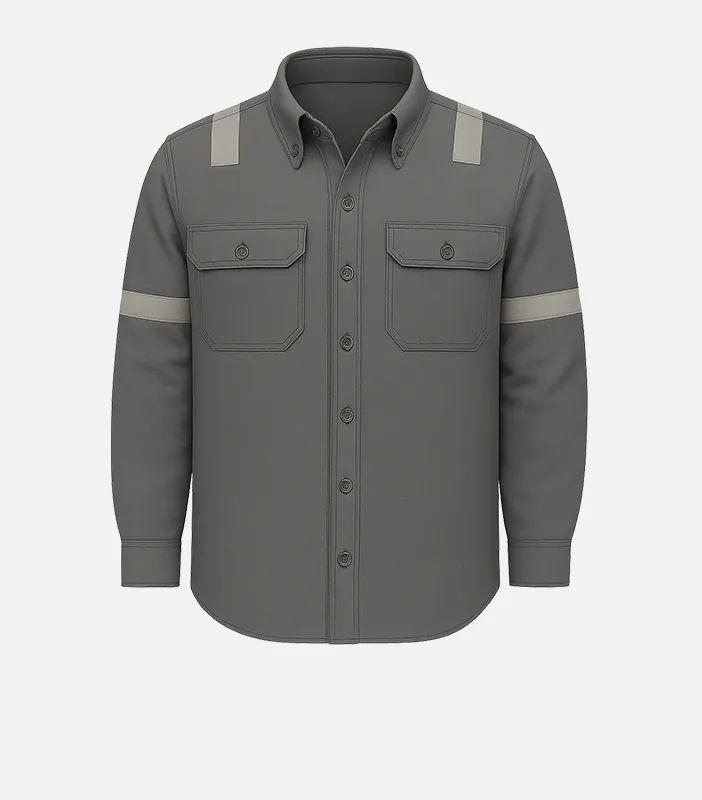
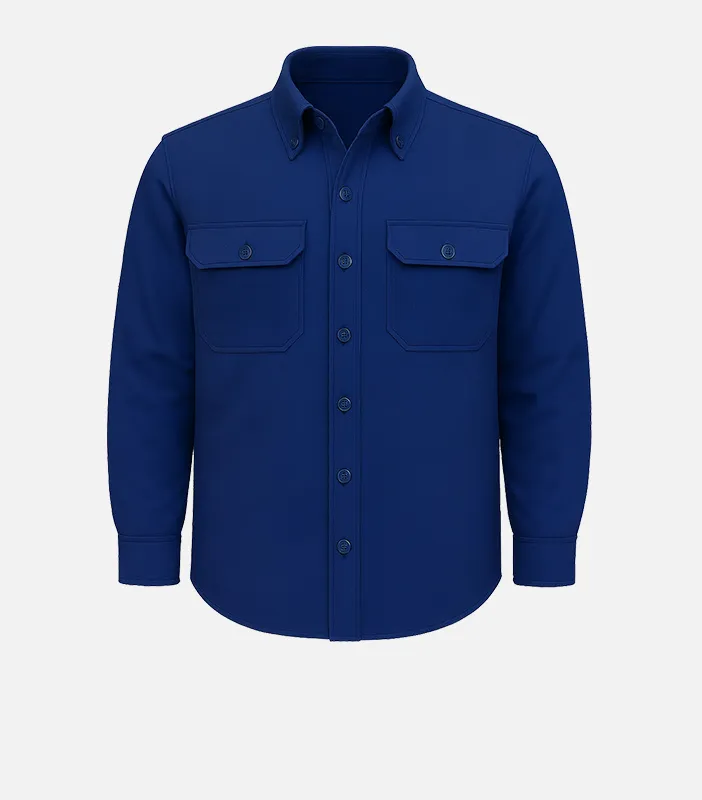
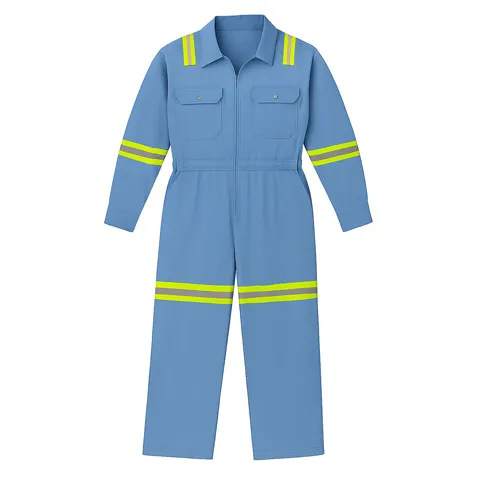
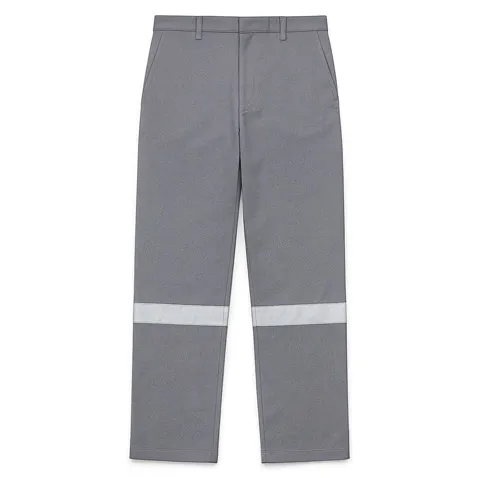
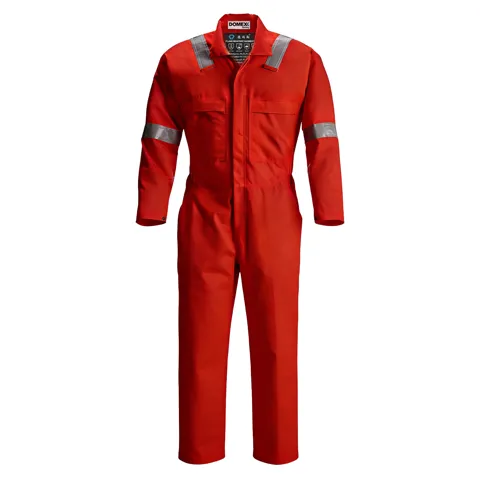
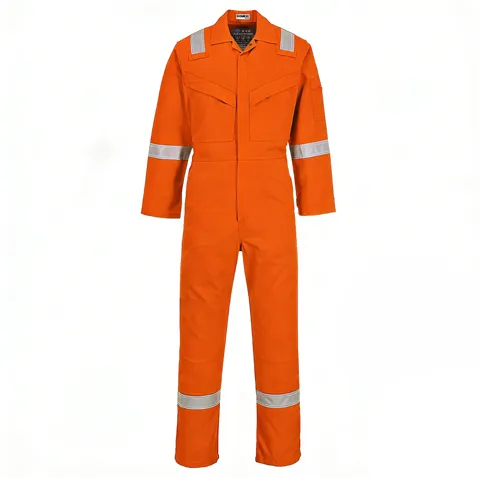
Many raw materials used in safety workwear production are derived from petrochemicals. The crisis is impacting:
Polyester and synthetic fiber production
Chemical treatments used in FR fabrics
Coatings and additives for anti-static garments
As a result, material prices have become more volatile, with frequent adjustments in global markets.
Manufacturers of safety workwear are directly affected by rising input costs and unstable supply conditions.
Increased production costs for FR and anti-static garments
Longer lead times due to material shortages
Pressure on pricing for export orders
Specialized products such as multi-hazard PPE are particularly sensitive due to their reliance on complex chemical processes.
For global exporters, especially those serving oil & gas markets, the crisis introduces several risks:
Unpredictable raw material pricing
Higher logistics costs
Increased need for supply chain flexibility
Buyers are increasingly prioritizing suppliers who can offer stable delivery timelines and diversified sourcing strategies.
As of April 2026, the situation remains unstable. Shipping through the Strait of Hormuz has not fully recovered, and freight rates continue to fluctuate.
Market observations include:
Persistent high oil prices
Volatile petrochemical feedstock costs
Continued pressure on global manufacturing supply chains
Manufacturers and buyers are actively adjusting procurement strategies to manage risk.
If disruptions continue, the industry may shift toward regional supply chains and alternative sourcing strategies. Stability, cost control, and supply reliability will become key competitive factors in the PPE and textile industries.
For international buyers, securing long-term partnerships with reliable manufacturers will be essential to navigate ongoing uncertainty.
Sources
https://www.weforum.org/stories/2026/04/beyond-oil-lng-commodities-impacted-closure-hormuz-strait/