English
By DOMEX SAFETY | May 5, 2026
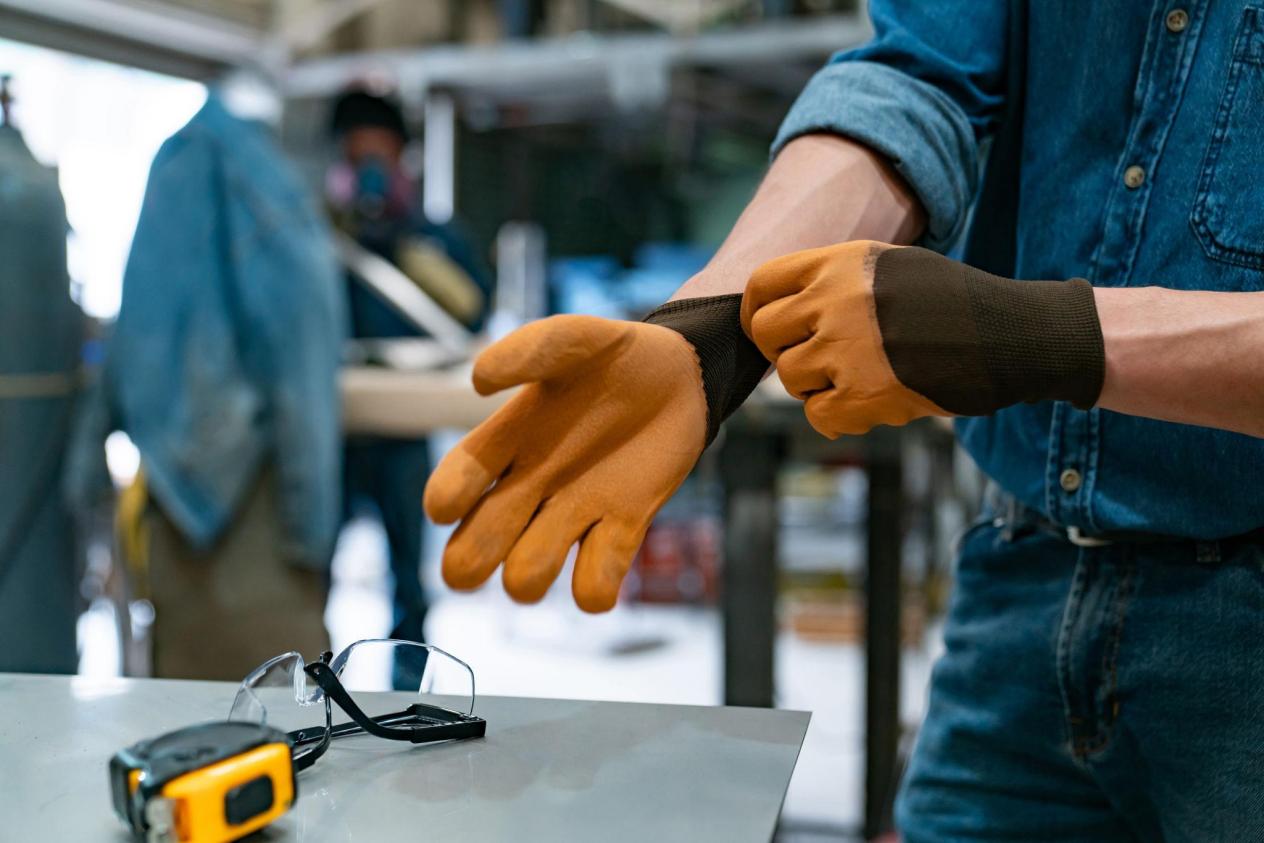
A recent industry webinar hosted by Watson Gloves highlights a growing shift in manufacturing safety practices: moving from generalized PPE programs to task-specific protection strategies.
As industrial environments become more specialized, companies are re-evaluating how protective equipment is selected, used, and managed. The focus is no longer just compliance—but practical effectiveness in real working conditions.
Historically, many facilities have relied on standardized PPE across departments. While this approach simplifies procurement, it often introduces hidden risks:
Mismatch between glove performance and actual hazards
Reduced worker compliance due to discomfort or poor fit
Overuse or under-protection in certain tasks
According to insights shared via OHS Online, such practices can contribute to persistent injury rates—particularly in hand protection, which remains one of the most common categories of workplace incidents.
The emerging approach emphasizes a simple principle:
Select PPE based on the task, not the workplace category
This involves:
Conducting task-level hazard assessments
Matching PPE to specific risk exposures (cut, heat, chemical, arc)
Prioritizing fit, dexterity, and usability
In manufacturing environments where workers may perform multiple functions in a single shift, this approach provides a more accurate level of protection without compromising efficiency.
Adopting task-based PPE strategies is not only about safety—it also delivers measurable operational improvements:
Reduced injury-related downtime
Better worker acceptance and consistent PPE use
More efficient inventory management
Lower total cost over product lifecycle
These factors are increasingly relevant for companies managing large-scale operations or multi-site procurement systems.
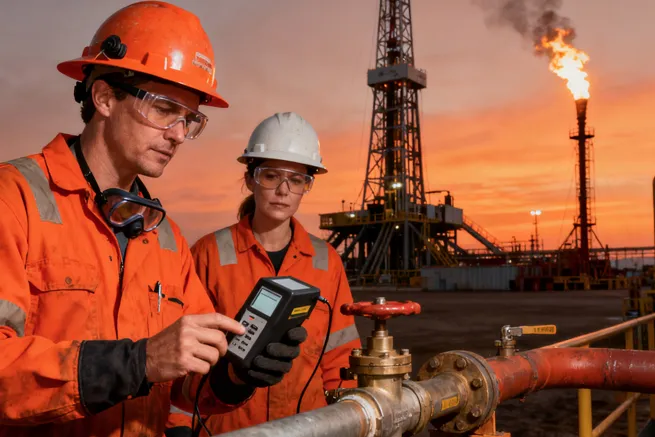
For international buyers in sectors such as oil & gas, utilities, and industrial manufacturing, the trend signals a shift in procurement priorities:
From standardized bulk purchasing → to application-based selection
From price-focused decisions → to performance and lifecycle value
From single-product sourcing → to integrated PPE solutions
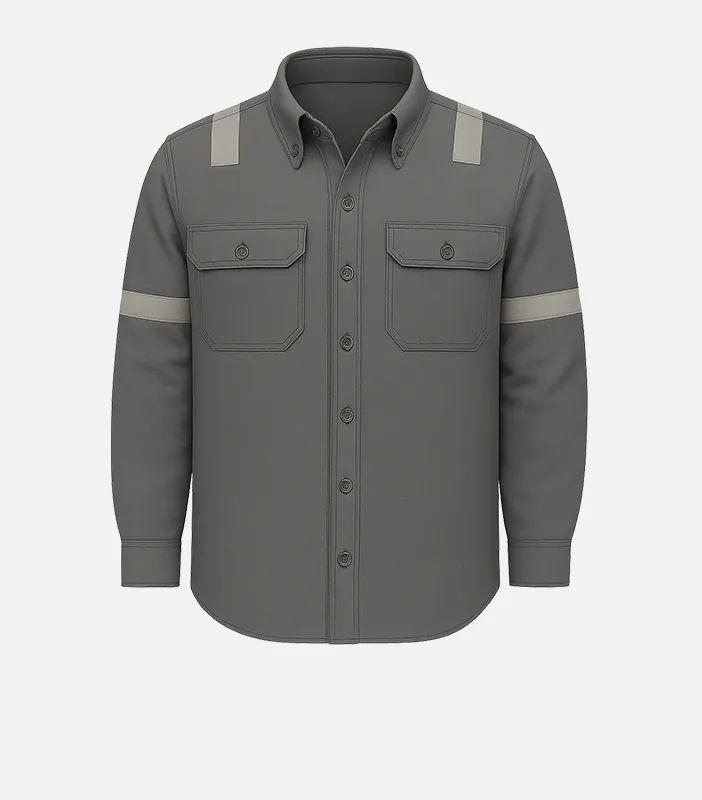
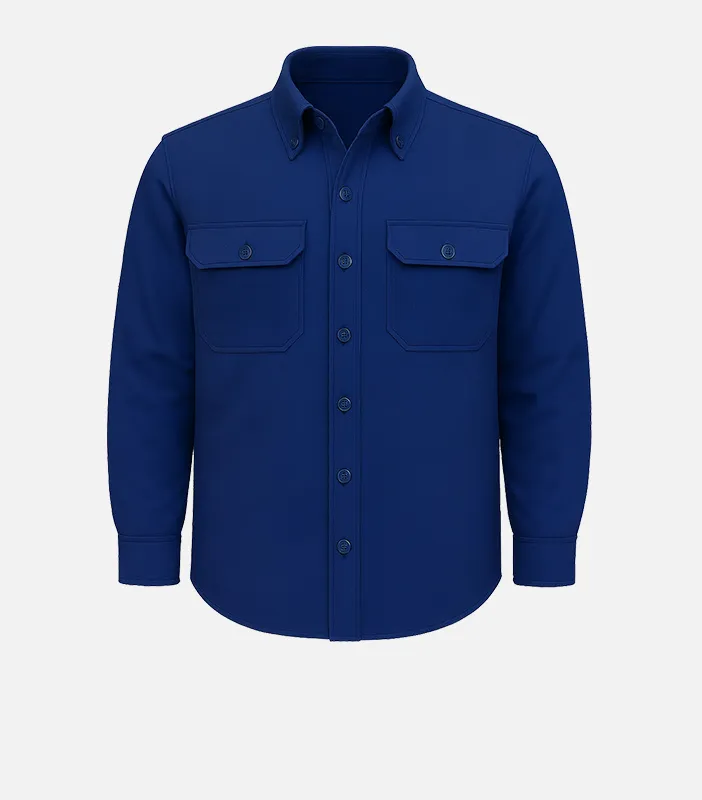
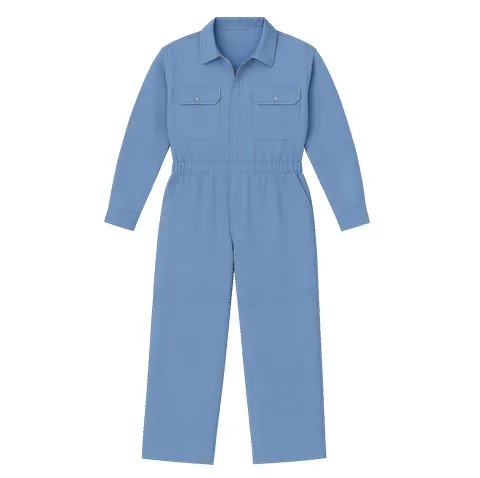
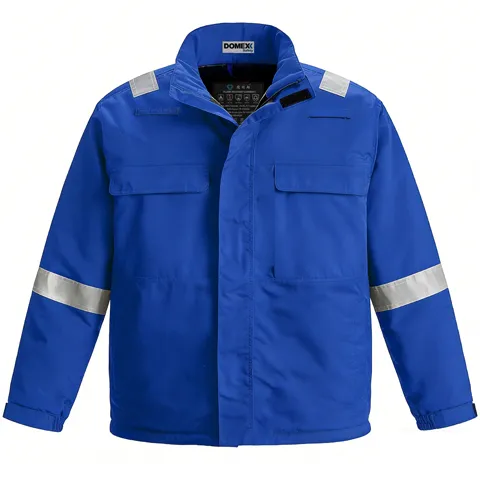
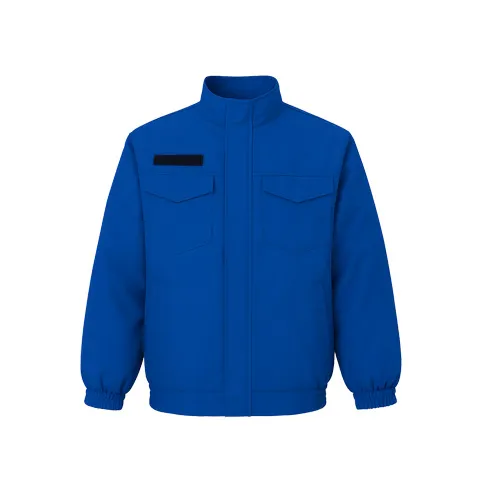
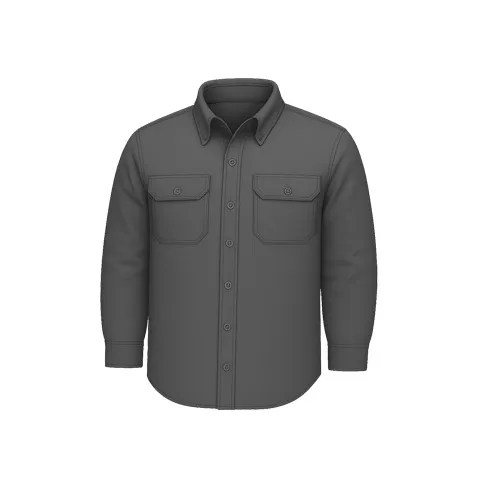
For manufacturers like DOMEX SAFETY, this aligns with the broader move toward multi-hazard protective workwear systems, where garments and accessories are engineered to meet specific operational scenarios.
The transition toward task-based PPE reflects a more practical understanding of workplace safety. Rather than relying on generalized solutions, companies are adopting more precise, data-driven approaches to protect workers and improve efficiency.
As manufacturing environments continue to evolve, PPE strategies are expected to follow—becoming more targeted, adaptable, and performance-focused.