English
By Domex Safety | June 1, 2026
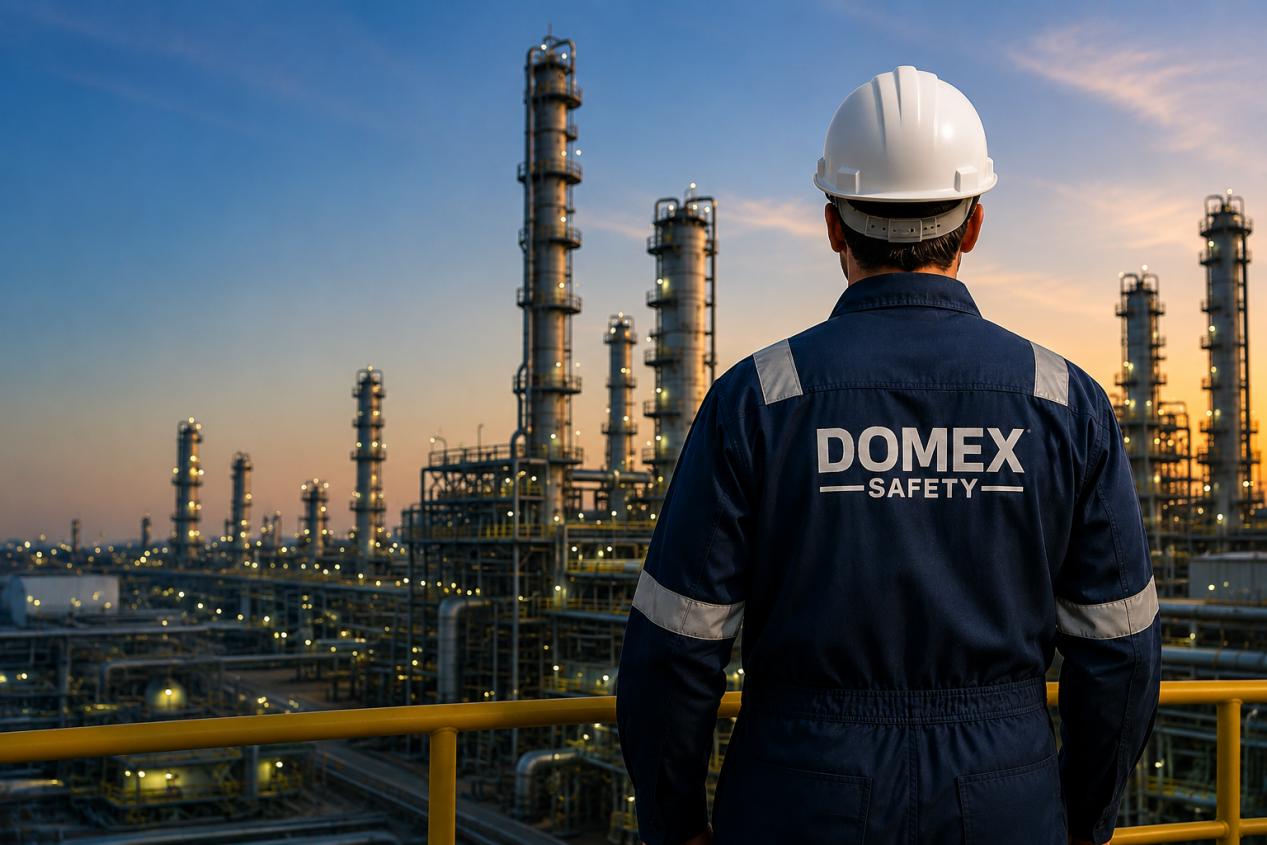
The Middle East oil, gas, and petrochemical sectors continue to place greater emphasis on worker protection and PPE compliance. As refinery, chemical, and energy projects expand across the region, demand for flame-resistant and anti-static workwear is steadily increasing.
For many industrial buyers, protective clothing is no longer evaluated only by price. Compliance with recognized safety standards, fabric performance, durability, and documentation are becoming key purchasing factors.
In petrochemical and energy environments, workwear often needs to address multiple risks at the same time, including flash fire, static discharge, heat exposure, and daily industrial wear.
Garments that meet standards such as NFPA 2112 for flame-resistant protection and IEC 61340 for electrostatic control are gaining more attention from contractors and procurement teams. Third-party test reports, certified fabrics, and clear product traceability are also becoming increasingly important in supplier evaluation.
For manufacturers and exporters, this trend highlights the importance of technical compliance and stable quality control. Suppliers with tested fabrics, consistent production capacity, and export-ready documentation are better positioned to support large industrial projects.
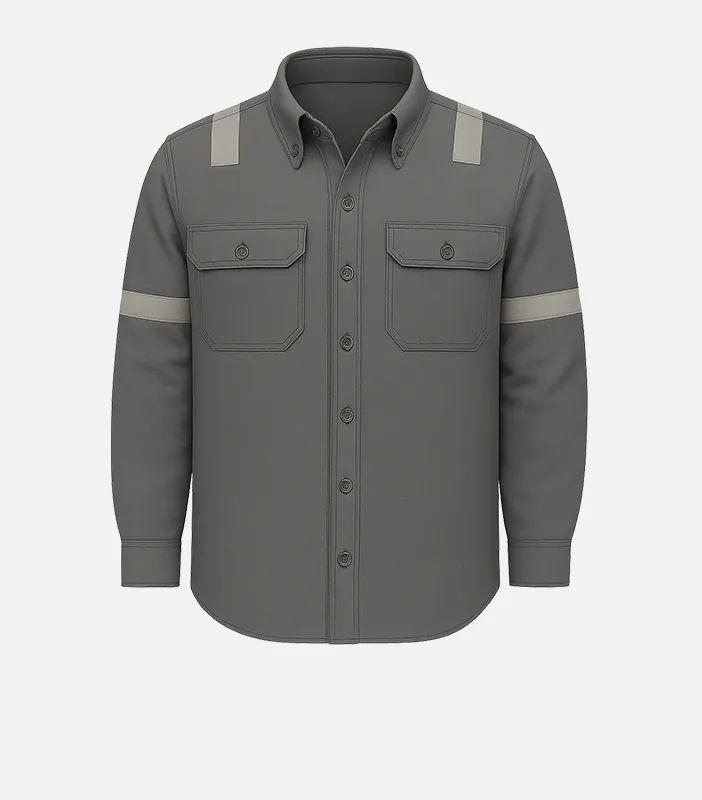
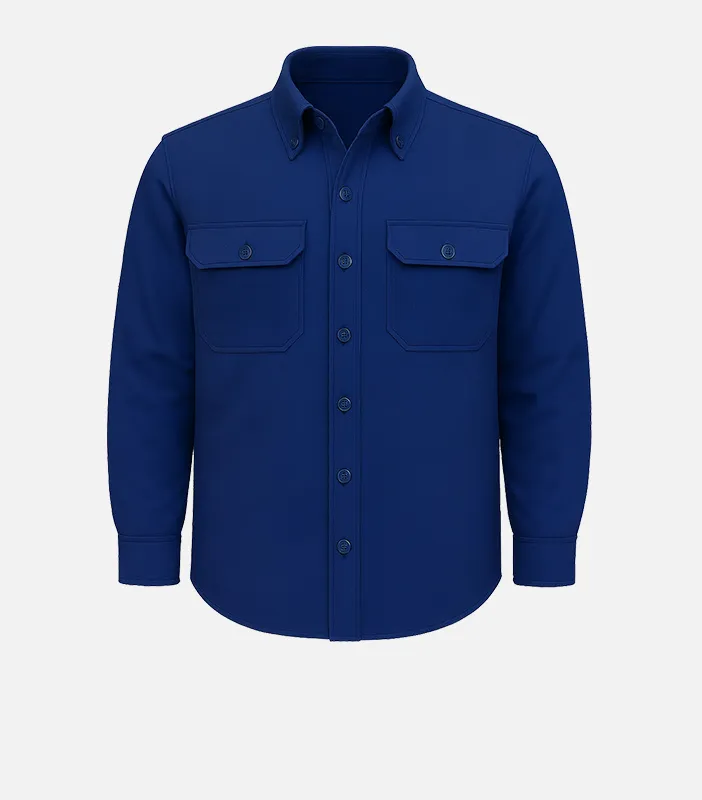
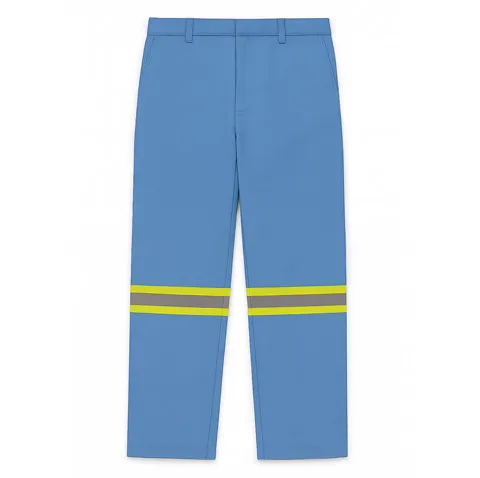
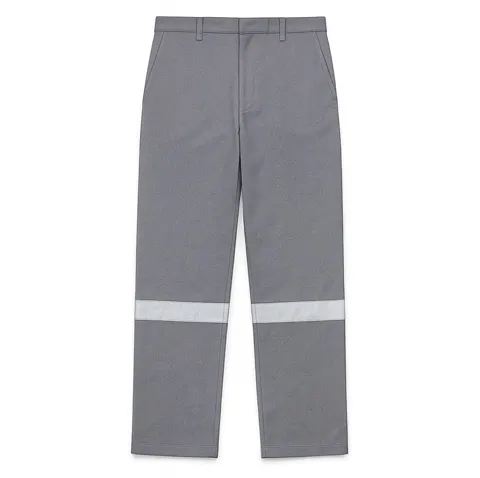
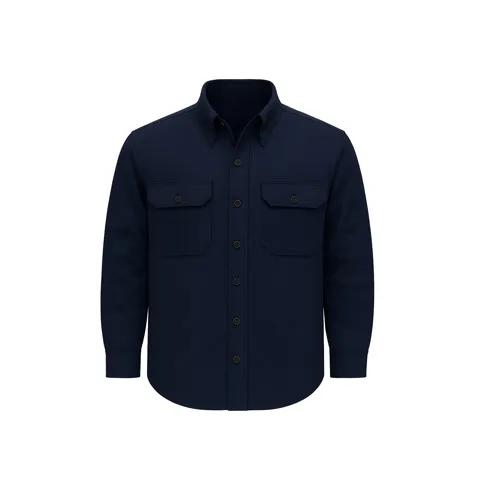
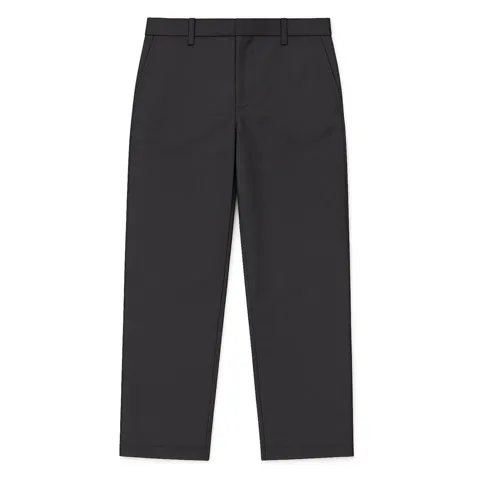
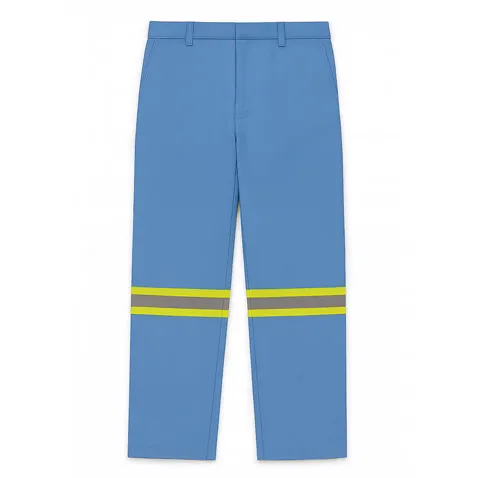
DOMEX Safety provides FR, anti-static, and multi-hazard protective workwear for oil & gas, petrochemical, utility, and industrial applications. Our focus remains on practical protection, reliable materials, and compliance with international safety requirements.
As safety requirements continue to develop across global energy and chemical industries, demand for certified protective clothing is expected to remain strong. For industrial buyers, selecting the right workwear partner will depend not only on cost, but also on proven performance, documentation, and long-term supply reliability.
Reference:
https://www.nfpa.org/?spm=5176.28103460.0.0.38f97d830zPZ9C
https://www.iec.ch/homepage?spm=5176.28103460.0.0.38f97d830zPZ9C