English
Purchasing arc flash protective clothing is a critical investment in workplace safety. However, many safety managers and procurement teams make avoidable mistakes that can compromise protection, comfort, and compliance. This guide highlights the most common errors — and how to avoid them — so your arc flash PPE delivers reliable defense when it matters most.
One of the biggest mistakes is selecting PPE before understanding the actual hazard level.
Why it matters:
Arc flash PPE must match the incident energy level determined through a risk assessment. Without it, you may under-protect workers or overspend on unnecessary protection.
Best practice: Conduct an arc flash hazard analysis before specifying arc-rated garments.
While flame-resistant workwear offers basic heat and fire protection, it is not automatically arc-rated.
Why it matters:
Arc flash events release extreme thermal energy that requires specific arc-rated performance. Choosing only FR clothing can leave workers underprotected.
Best practice: Verify arc flash PPE is specifically tested and rated for electrical arc hazards.
Arc flash garments are assigned an arc rating (measured in cal/cm²), but many buyers skip comparing values across products.
Why it matters:
A garment with a low arc rating may not protect in higher-energy scenarios, while overly high ratings may be unnecessarily heavy and uncomfortable.
Best practice: Match arc rating to the hazard assessment results and task requirements.
Even the best protective clothing won’t protect if workers don’t wear it properly.
Why it matters:
Ill-fitting arc flash clothing can restrict movement, reduce coverage, or lead to non-compliance in daily use.
Best practice: Choose PPE that provides proper fit, mobility, and comfort for various job tasks.
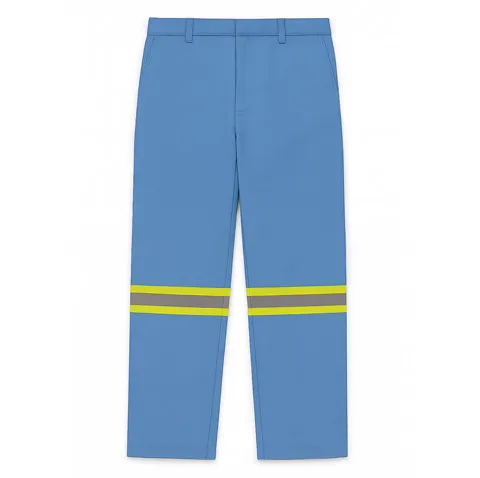
Some buyers focus only on arc flash protection and ignore other common industrial hazards — such as static electricity, low visibility, or UV exposure.
Why it matters:
Arc flash risk often co-exists with other hazards. A holistic approach improves safety and reduces the need for multiple separate garments.
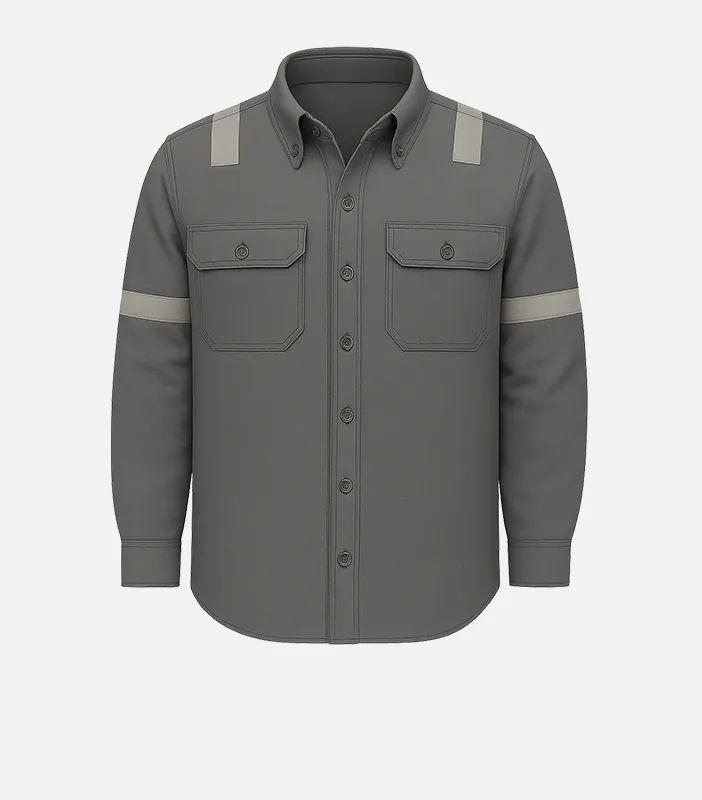
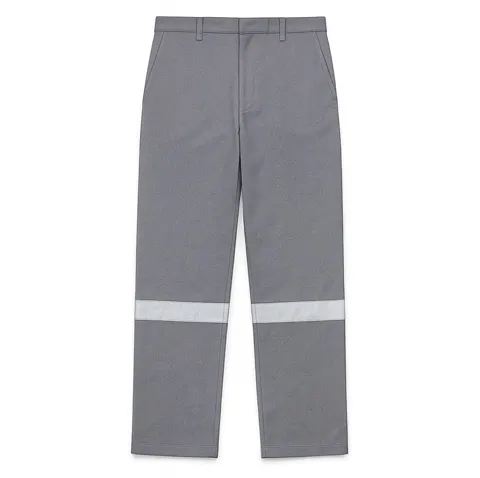
Best practice: Consider PPE that integrates arc flash + hi-vis + anti-static features when appropriate.
Not all protective clothing is tested equally. Some products may lack proper certification or documentation.
Why it matters:
Without verified compliance, you cannot be sure that garments meet required performance criteria for arc flash hazards.
Best practice: Always request certification details and verify compliance with recognized standards.
Protective performance degrades over time if garments aren’t cared for properly.
Why it matters:
Improper washing, storage, or inspection can weaken arc-rated fabrics and reduce their performance.
Best practice: Follow manufacturer care instructions and establish maintenance routines to preserve long-term protection.
Avoiding these common mistakes helps ensure that your arc flash PPE selection supports real protection, worker compliance, and long-term safety performance. With the right approach — starting with hazard assessment, matching arc ratings, and verifying standards — you can build a stronger electrical safety program that safeguards your team and your operations.