English
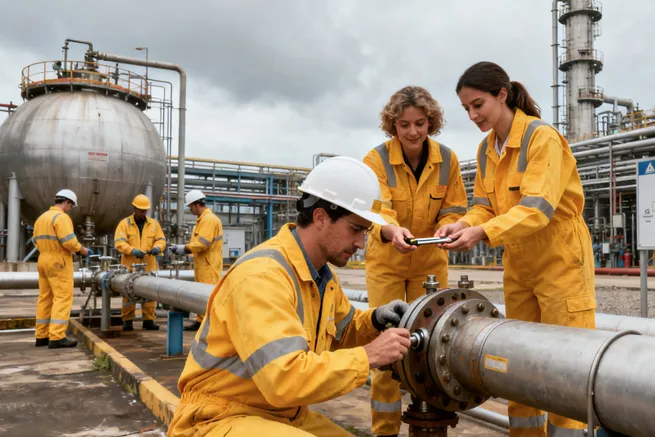
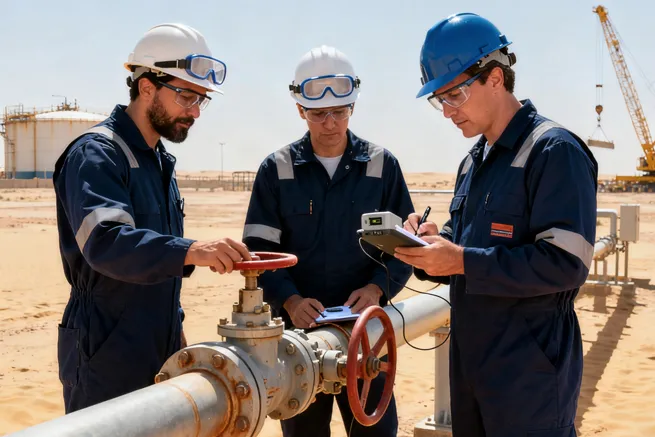
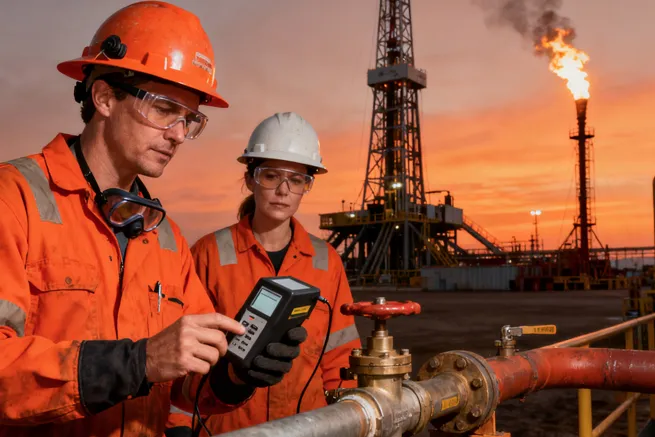
High-risk industrial maintenance—such as work in petrochemical plants, power facilities, and heavy manufacturing—exposes workers to multiple hazards: arc flash, heat, flames, chemicals, static discharge, and low-visibility conditions. Choosing the right PPE is not optional; it is the core of workplace safety and compliance.
This guide highlights the top PPE requirements every safety manager must consider for 2026 and beyond.
Industrial maintenance often involves energized systems, making arc flash protection critical.
Key Requirements:
PPE must comply with NFPA 70E, ASTM F1506, or IEC 61482-2
Choose garments with appropriate ATPV/CAT ratings
Use multi-layer systems for CAT 3–4 environments
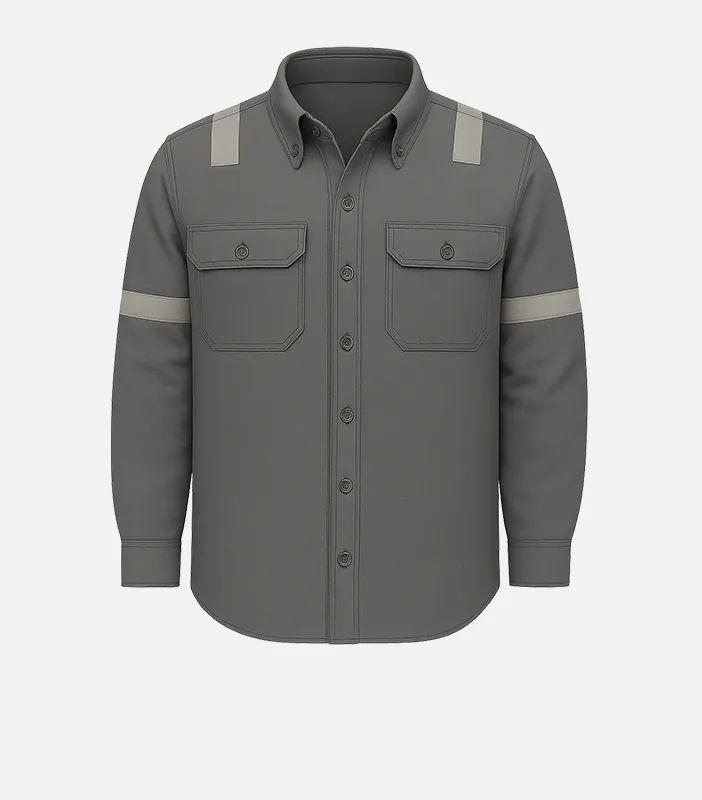
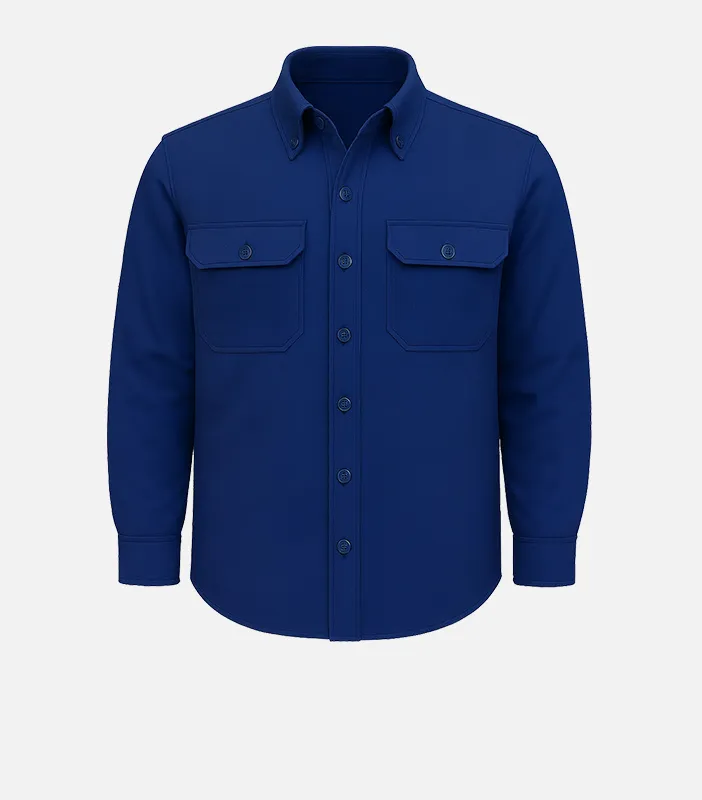
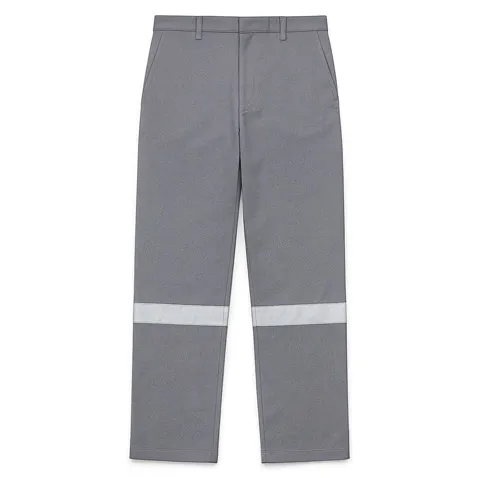
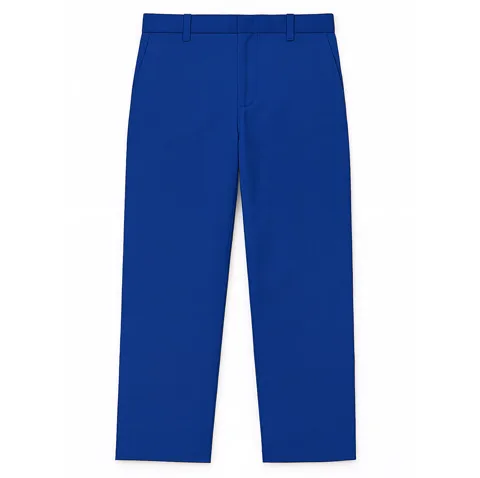
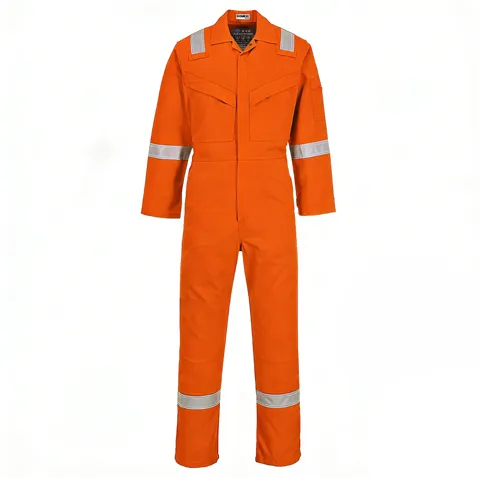
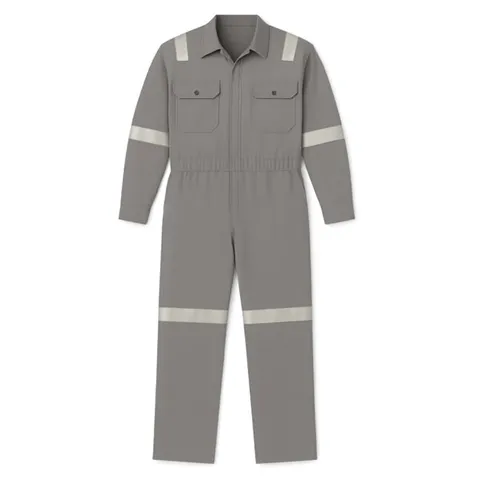
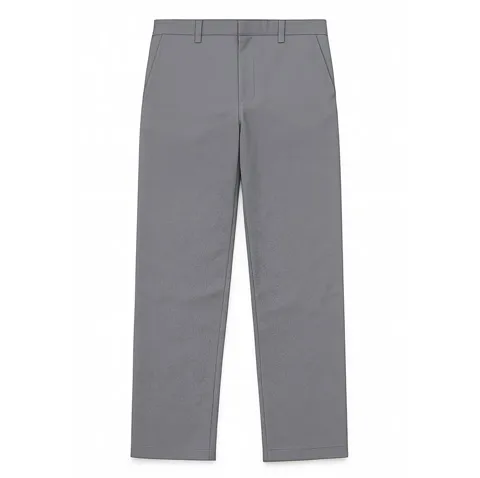
Best Items: Arc flash coveralls, jackets, shirts, pants, balaclavas.
Exposure to sparks, molten metal, or flash fires requires certified FR garments.
Look for compliance:
EN ISO 11612 (A1, A2, B1–C3 ratings)
NFPA 2112 flame resistance
Recommended fabrics:
Cotton-blend FR fabrics
Inherent FR (IFR) blends
Static buildup is a major ignition source in fuel-rich environments.
Required Standard:
EN 1149-5 anti-static performance
Anti-static workwear helps prevent sparks that could trigger explosions or flash fires.
Industrial maintenance often occurs in dynamic areas with low lighting.
Check for compliance:
ANSI/ISEA 107
AS/NZS 1906.4 retroreflective performance
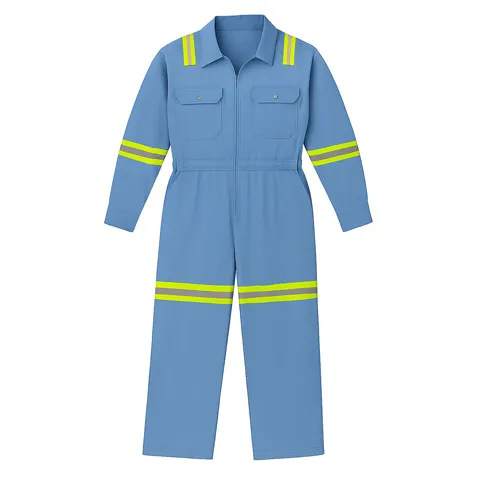
Hi-vis garments with reflective tape significantly improve safety around vehicles and machinery.
Outdoor maintenance workers need defense against long-term UV exposure.
Key Standard:
EN 13758-1/AS/NZS 4399 UV Protection
UPF-rated fabrics reduce the risk of skin damage and heat stress.
Depending on the task, workers may require:
Dielectric gloves
Heat-resistant gloves
Steel toe or composite safety boots
Face shields or arc hoods
Respiratory protection
High-risk industrial maintenance demands PPE that meets global standards, multi-hazard protection, and long-term durability. At DOMEX SAFETY, we engineer FR, IFR, anti-static, arc-rated, and hi-vis workwear trusted by global energy leaders—including PetroChina, Sinopec, ADNOC, Kuwait Oil Company, BP, and SHENGHONG GROUP.
Choosing certified PPE is not just compliance—it's saving lives.