English
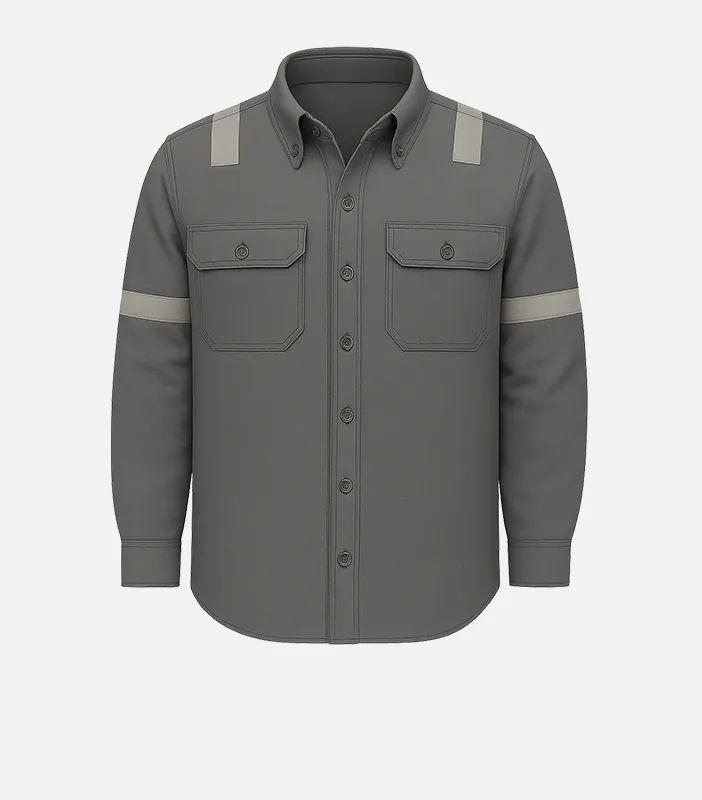
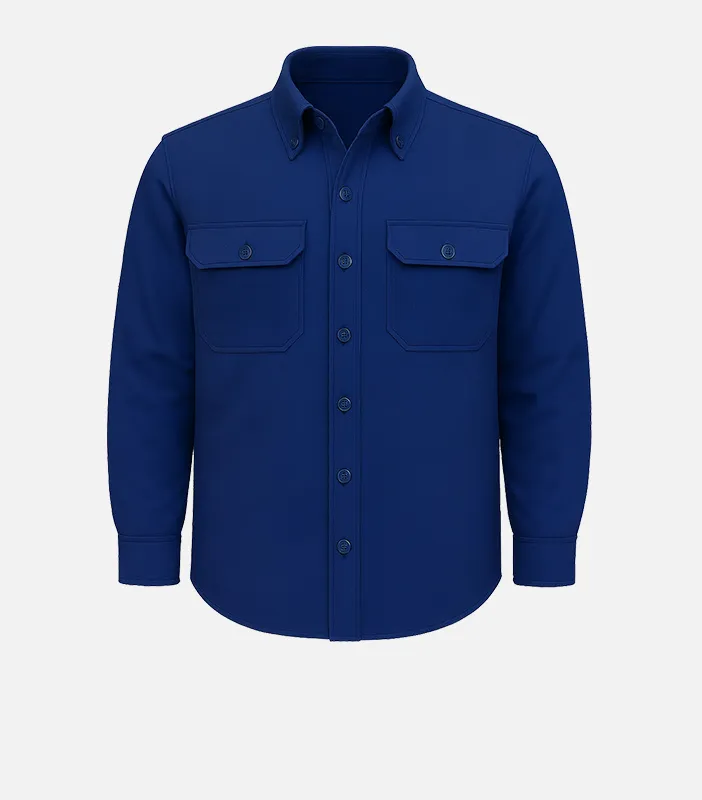
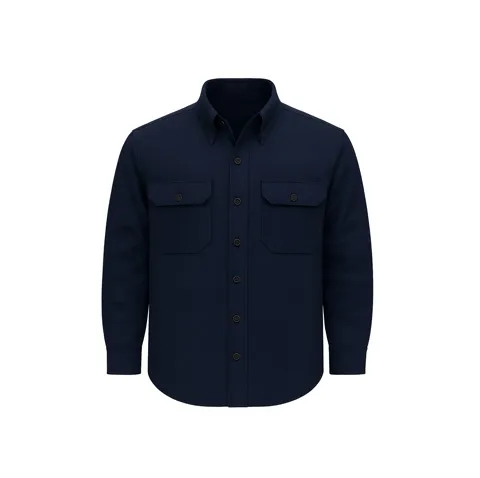
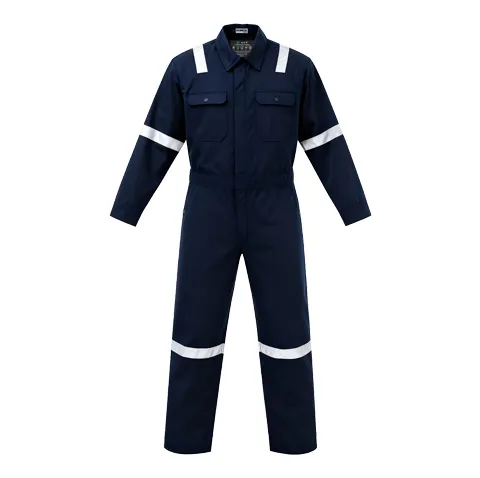
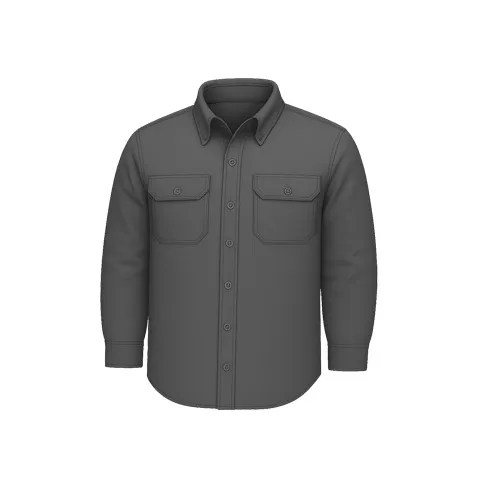
When protecting electrical workers from arc flash hazards, choosing the right garment type is just as important as selecting the right arc rating. Arc flash shirts and arc flash coveralls both provide arc-rated protection, but they serve different purposes depending on task risk, work environment, and operational needs.
This guide compares arc flash shirts and coveralls to help safety managers make confident, informed decisions.
Both arc flash shirts and coveralls are designed to:
Protect against intense thermal energy from arc flash incidents
Use flame-resistant fabrics that self-extinguish and do not melt or drip
Be tested and rated according to recognized arc flash standards such as IEC 61482-2
Support electrical safety programs aligned with NFPA 70E
The key difference lies in coverage, flexibility, and application.
BEST FOR:
Lower to medium arc flash risk tasks
Daily electrical maintenance
Indoor or controlled environments
Workers who require mobility and comfort
KEY ADVANTAGES:
Lightweight and breathable
Comfortable for long shifts
Easy to layer with arc-rated pants or jackets
Ideal for warm environments
CONSIDERATIONS:
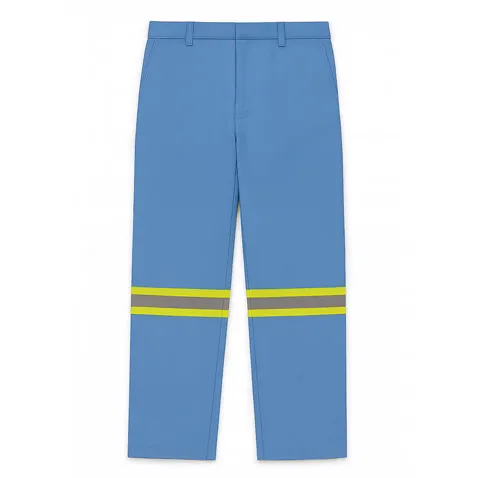
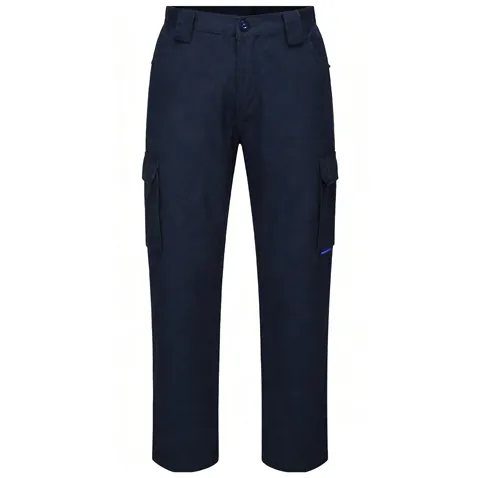
Requires proper pairing with arc-rated trousers
Risk of exposure if shirts are worn untucked or layered incorrectly
Arc flash shirts are ideal when flexibility and comfort are priorities, and hazard levels are controlled.
BEST FOR:
Higher arc flash risk tasks
Utility, substation, and outdoor electrical work
Complex or unpredictable environments
Situations where maximum coverage is required
KEY ADVANTAGES:
One-piece design minimizes exposure gaps
Consistent protection across torso, arms, and legs
Simplifies PPE selection and compliance
Ideal for multi-hazard environments
CONSIDERATIONS:
Heavier than shirts
May reduce breathability in hot conditions
Less flexible for frequent on/off use
Arc flash coveralls are the preferred choice when risk levels are higher or work conditions are less predictable.
Ask these questions before choosing:
What is the incident energy level (cal/cm²)?
Is the task routine or high-risk?
Does the environment require full-body coverage?
Will workers need frequent garment changes?
Are additional hazards present (hi-vis, anti-static, outdoor exposure)?
The answers often determine whether shirts, coveralls, or a combination of both is the best solution.
Many safety programs use both arc flash shirts and coveralls:
Shirts for daily maintenance and inspections
Coveralls for high-risk or short-duration critical tasks
This layered approach improves protection while optimizing comfort and cost.
There is no one-size-fits-all solution in arc flash protection. Arc flash shirts offer comfort and flexibility for routine tasks, while arc flash coveralls deliver maximum coverage for high-risk environments. By matching garment type to task risk and work conditions, safety managers can protect workers effectively and build stronger electrical safety programs.