English
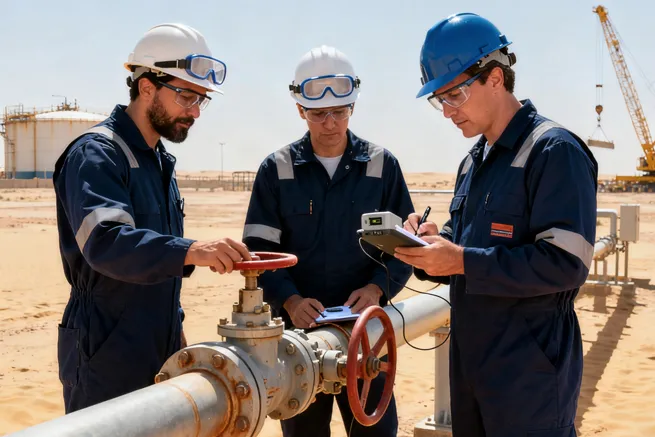
Outdoor workers face more than just heat and physical hazards — ultraviolet (UV) radiation from the sun can cause serious long-term skin damage, premature aging, and increased risk of skin cancer. UV-protective workwear is essential for workers exposed to sunlight for long hours. But what do industry standards like EN 13758-1 and AS/NZS 4399 really mean, and why should your workwear comply with them?
UV radiation includes harmful UVA and UVB rays that penetrate the skin during outdoor work. Standard clothing provides some protection, but certified UV-protective garments are tested to measure how effectively they block these harmful rays. Protective clothing with official standards ensures workers receive reliable, measurable protection throughout the workday.
EN 13758-1 is a European textile standard that measures how well a fabric can block UV radiation by assigning it a Ultraviolet Protection Factor (UPF) rating. This test is performed in controlled conditions to determine the fabric’s ability to reduce the transmission of UV rays. Higher UPF values indicate better protection. For example, a fabric with UPF 40+ allows only a small fraction of UV radiation through, significantly lowering exposure risk during outdoor work.
AS/NZS 4399 is a joint Australian and New Zealand standard that also evaluates UV protection using UPF classifications. It provides guidance on how protective clothing should be tested and labelled based on measurable performance. Garments that meet this standard ensure outdoors workers receive a clear classification of protection, from good to excellent, based on their UPF rating.
Although developed in different regions, both EN 13758-1 and AS/NZS 4399 share the same core objective:
✔ To measure fabric performance against UV radiation
✔ To assign a UPF rating that helps buyers choose effective protection
✔ To ensure workwear is suitable for prolonged outdoor use in demanding environments
Both standards help companies and workers understand how much UV protection a garment offers, making it easier to select suitable outdoor workwear.
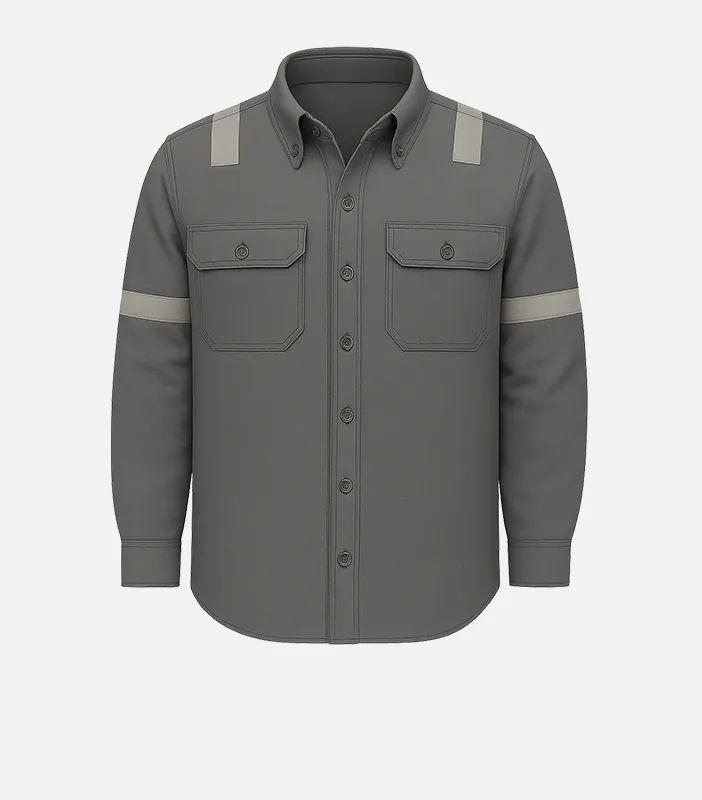
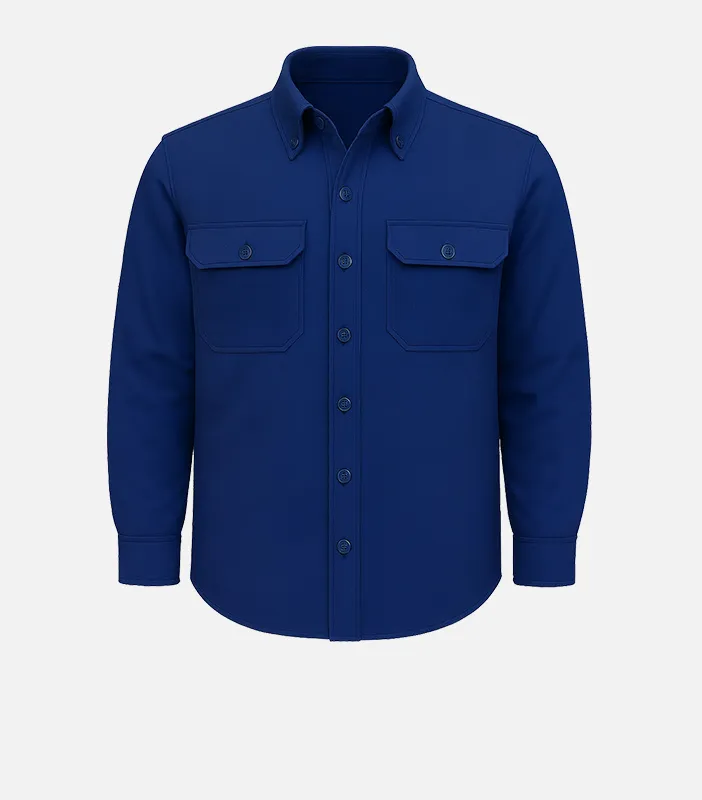
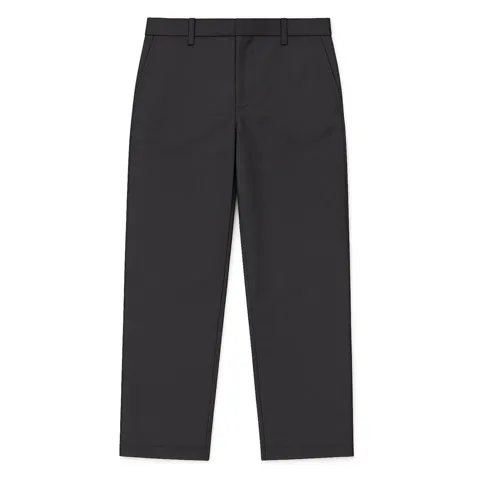
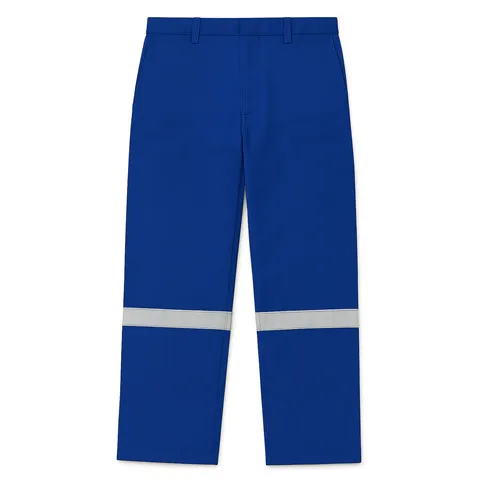
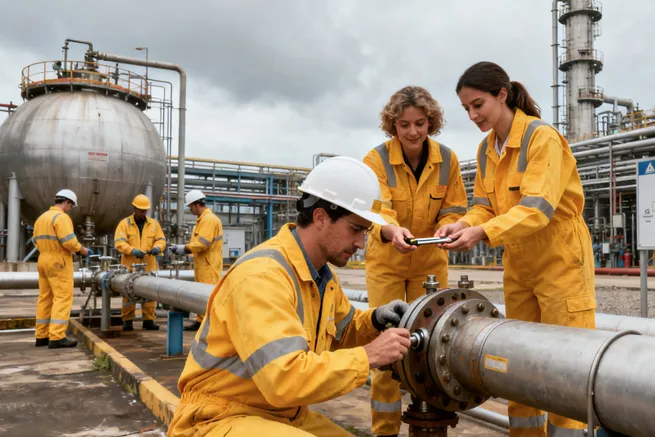
Certified UV-protective workwear blocks a high percentage of UVA and UVB rays, reducing skin damage and long-term health risks. These garments are especially important for workers in industries with extensive sun exposure such as:
✅ Construction
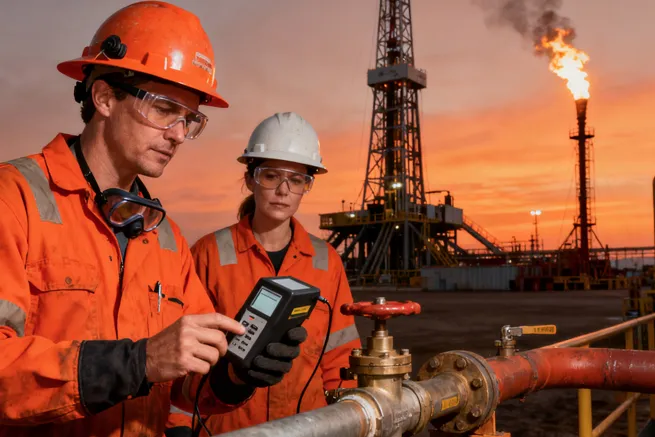
✅ Oil & Gas
✅ Utilities and field maintenance
✅ Mining and infrastructure projects
Pairing UV protection with other safety features like flame resistance, anti-static properties, or high visibility enables multi-hazard protection for challenging work environments.
Understanding UV workwear standards like EN 13758-1 and AS/NZS 4399 empowers employers and safety managers to choose reliable, tested, and certified protective clothing. By selecting workwear that meets these standards, companies protect their workforce, enhance comfort, and strengthen long-term safety programs under the sun.