English
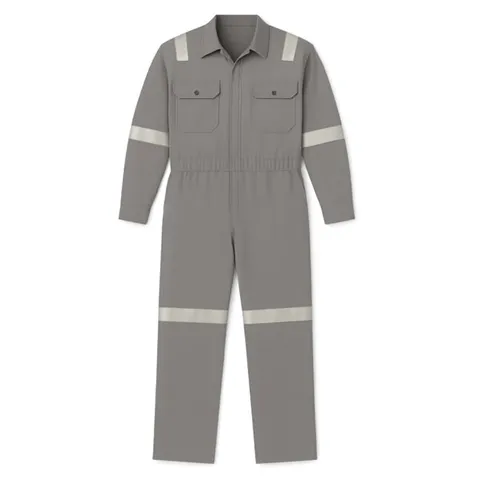
In the oil and gas industry, workers operate in environments where flammable vapors, hydrocarbons, and high temperatures are common. These conditions create serious hazards such as flash fires and thermal exposure. Choosing the right flame-resistant (FR) coverall is therefore essential to reduce injury risks and ensure compliance with industrial safety regulations.
For safety managers and procurement teams, selecting the most suitable FR protective clothing requires understanding workplace hazards, safety standards, fabric performance, and garment design.
Oil and gas operations involve several potential ignition sources. Workers may encounter:
Flash fire hazards from flammable gas leaks
Sparks or flames during maintenance operations
High heat exposure near processing equipment
Static electricity in hazardous atmospheres
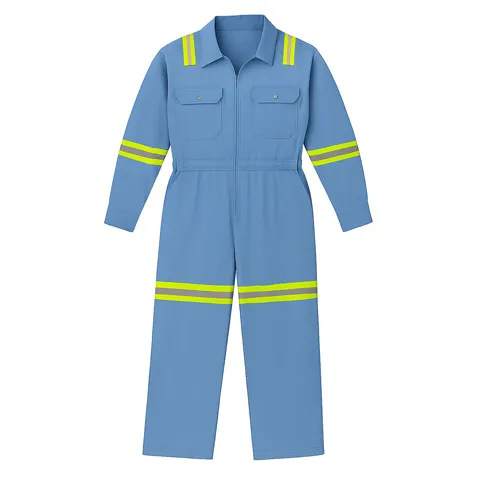
Because these risks can escalate quickly, protective garments such as FR coveralls are commonly used to provide full-body protection during daily operations.
A reliable FR coverall should comply with internationally recognized safety standards. These certifications confirm that the garment has been tested to perform under real hazard conditions.
Important standards for oil and gas workwear include:
NFPA 2112 – Protection against industrial flash fire hazards
EN ISO 11612 – Protection from heat and flame exposure
EN 1149-5 – Anti-static properties for explosive environments
ASTM F1506 – Arc-rated protection for electrical hazards
Selecting garments that meet these standards helps ensure consistent protective performance.
Fabric technology plays a major role in the effectiveness of protective clothing. High-quality FR coveralls are typically manufactured using either inherently flame-resistant fibers or treated flame-resistant fabrics.
Inherently FR fabrics
Flame resistance is built into the fiber
Protection remains throughout the garment’s lifespan
Often lighter and breathable for long shifts
Treated FR fabrics
Flame resistance comes from specialized chemical treatment
Durable and widely used in industrial uniform programs
Often cost-effective for large workforce deployments
Both fabric technologies can deliver reliable protection when designed to meet certified safety standards.
Oil and gas workers often perform physically demanding tasks in harsh environments. Protective clothing must therefore combine safety with comfort and practicality.
Important garment features include:
Durable construction with reinforced stitching
Breathable fabrics that reduce heat stress
Functional pockets for tools and equipment
Heavy-duty zippers and closures
Adjustable cuffs or waist for improved fit
These features help workers remain productive while maintaining safety compliance.
FR garments are exposed to tough working conditions, including oil, chemicals, and frequent washing. Proper maintenance helps ensure long-term protective performance.
Recommended practices include:
Follow the manufacturer’s washing guidelines
Avoid chlorine bleach or harsh detergents
Inspect garments regularly for damage
Replace worn garments that may compromise protection
Maintaining FR workwear correctly ensures the clothing continues to perform as intended.
Selecting the right FR coverall for oil and gas workers requires careful evaluation of workplace hazards, safety standards, fabric technology, and garment design. When these factors are considered together, companies can provide workers with protective clothing that delivers reliable safety while supporting comfort and productivity.
Investing in high-quality flame-resistant coveralls helps create a safer working environment in one of the world’s most demanding industries.