English
In oil and gas environments, static electricity might seem harmless — but in fact, even a tiny static spark can ignite flammable gases or liquids and trigger catastrophic fires or explosions. That is why anti-static protective workwear plays a critical role in safeguarding workers and preventing dangerous incidents in this high-risk industry.
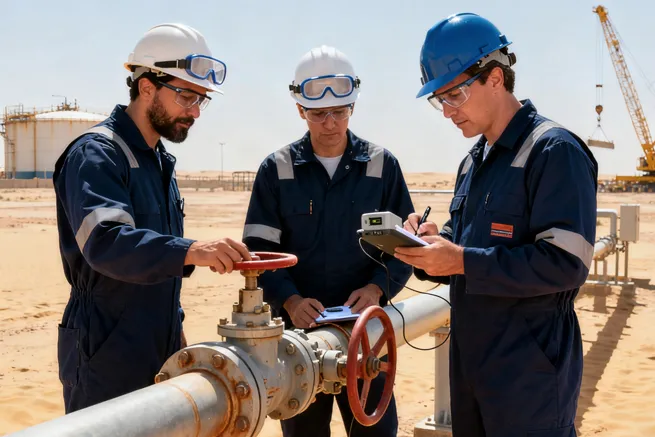
Anti-static protection refers to the design and material properties of workwear that prevent the buildup and discharge of static electricity. In volatile atmospheres like oil fields, refineries, and petrochemical plants, this feature helps reduce the risk of sparks that could ignite combustible gases or vapors.
1. FLAMMABLE ATMOSPHERES
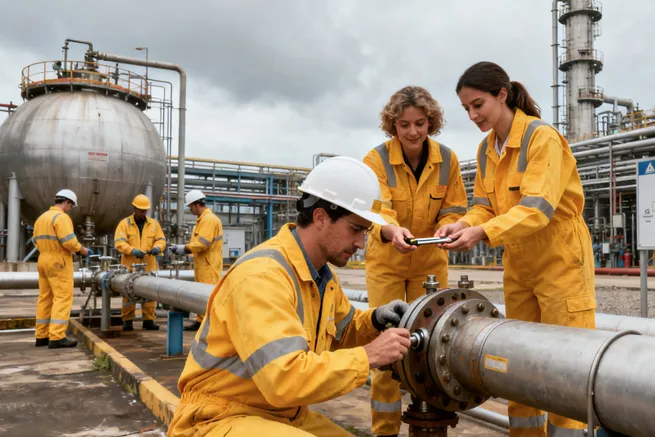
Oil and gas operations constantly handle flammable hydrocarbons and gases. Even a small electrostatic discharge can become an ignition source in such explosive atmospheres, leading to fires or explosions that threaten lives and assets.
2.STATIC BUILDUP FROM MOVEMENT
Workers moving across equipment, climbing ladders, or handling tools can generate static charges on clothing. Without proper anti-static fabrics, these charges may accumulate and discharge unexpectedly.
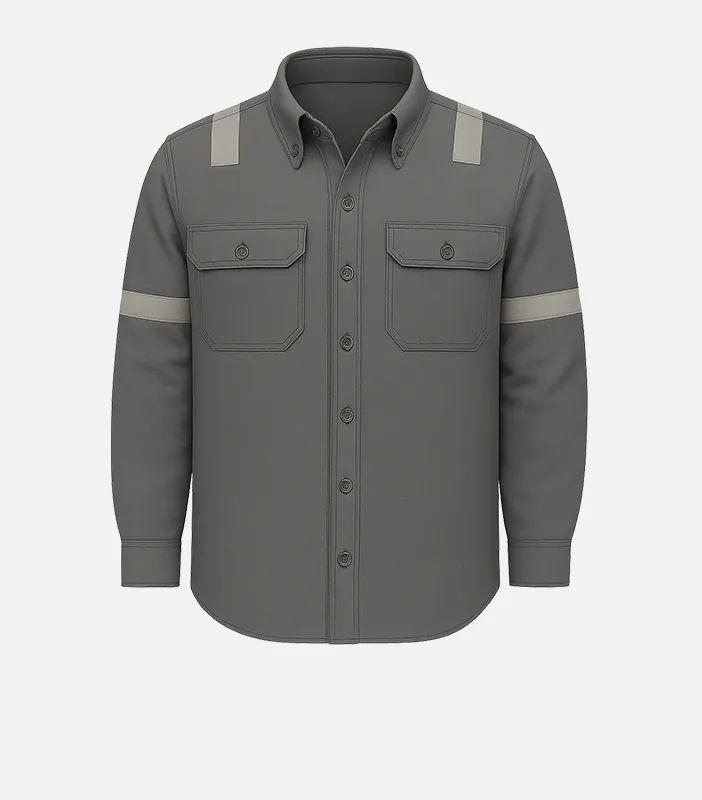
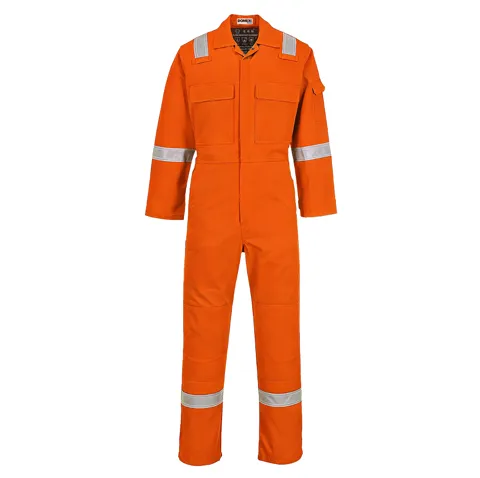
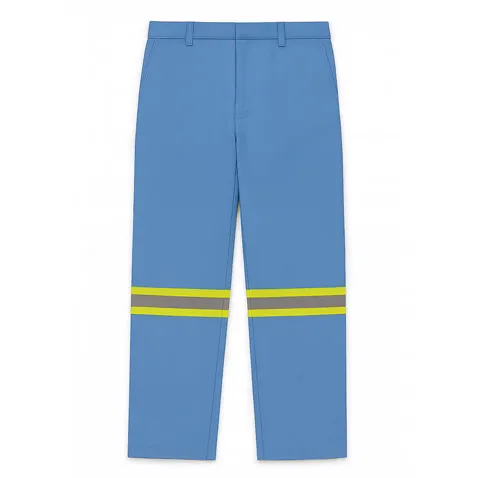
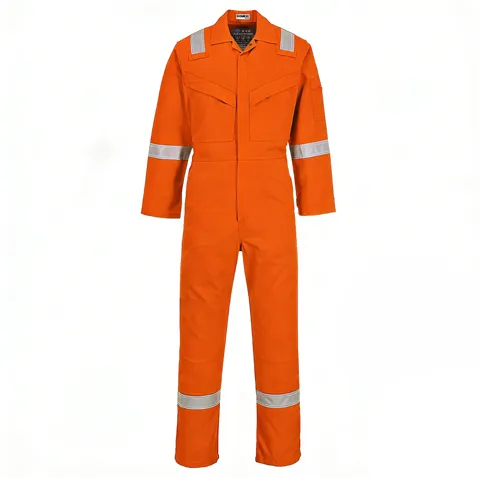
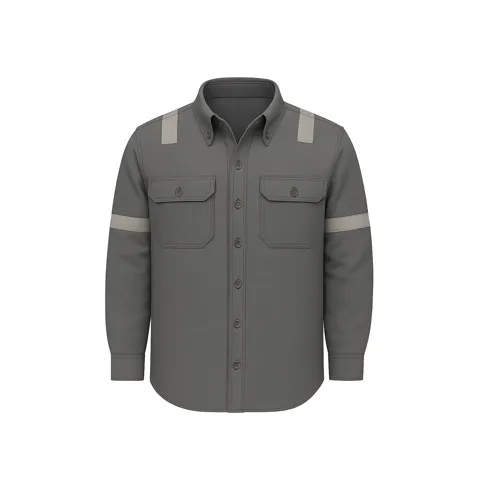
Anti-static protective garments are engineered with conductive or dissipative fibers and specialized fabrics that allow static electricity to safely dissipate rather than accumulate. This prevents the conditions that lead to dangerous sparks — a critical factor in oil and gas safety programs.
In many cases, anti-static protection is combined with other protective features — such as flame resistance — to provide dual hazard coverage for extreme industrial environments.
Anti-static workwear is typically certified to international safety standards (e.g., EN 1149-5) that define material and performance requirements for static dissipation. Compliance with recognized standards ensures protective clothing performs reliably and meets regulatory and corporate safety expectations.
1. REDUCED IGNITION RISK — Helps prevent static sparks in volatile atmospheres.
2. ENHANCED WORKER SAFETY — Protects personnel from electrostatic discharge hazards.
3. COMBINED PROTECTION — Often integrated with flame-resistant fabrics for broader workplace safety.
4. COMPLIANCE WITH STANDARDS — Meets global PPE safety requirements for high-risk industries.
In oil and gas operations, anti-static protection is not optional — it’s a foundational element of worker safety. By choosing gear that prevents electrostatic buildup and discharge, employers can help mitigate ignition risks, ensure regulatory compliance, and protect their most valuable asset — their workforce.