English
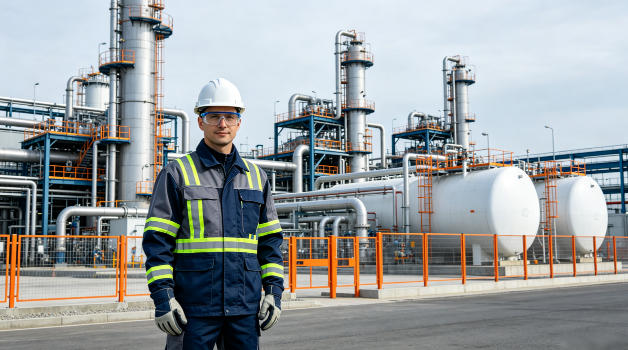
Chemical manufacturing environments present a unique combination of workplace hazards. Workers may be exposed to corrosive liquids, flammable chemicals, static electricity, and occasional heat sources during daily operations.
Selecting suitable protective workwear requires more than choosing a chemical-resistant fabric. The right solution should match the actual hazards, working conditions, and safety requirements of each production area.
Different production processes create different hazards.
Some workers mainly handle chemical splashes, while others operate in areas where flammable vapors or combustible dust are present. Maintenance personnel may also perform hot work or electrical repairs.
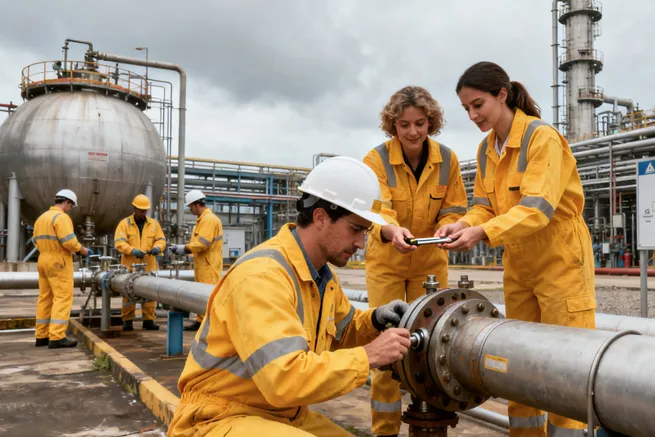
Because of these varying risks, many chemical plants choose workwear that combines flame resistance, anti-static performance, and limited chemical splash protection.
The most suitable fabric depends on the application. FR cotton blends are often used for general production areas because they provide comfort for long shifts.
For higher-risk operations, inherently flame resistant fabrics offer longer service life and more stable protection.
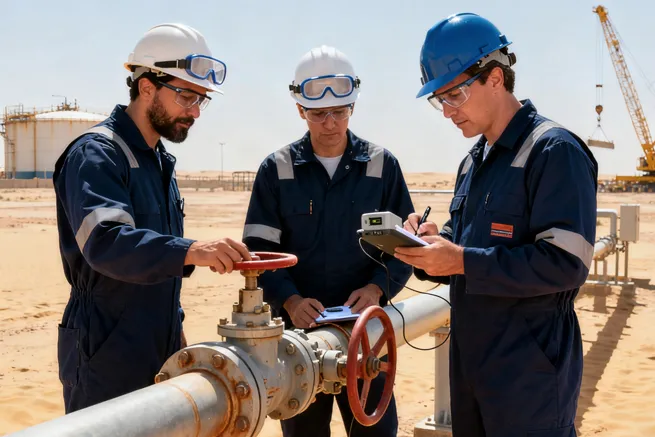
If workers regularly operate in hot environments, breathable lightweight fabrics can improve comfort without reducing protection.
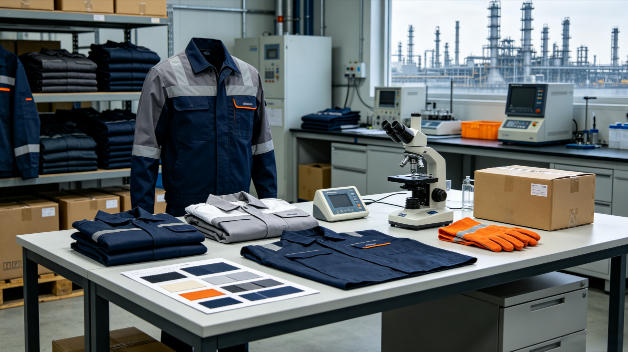
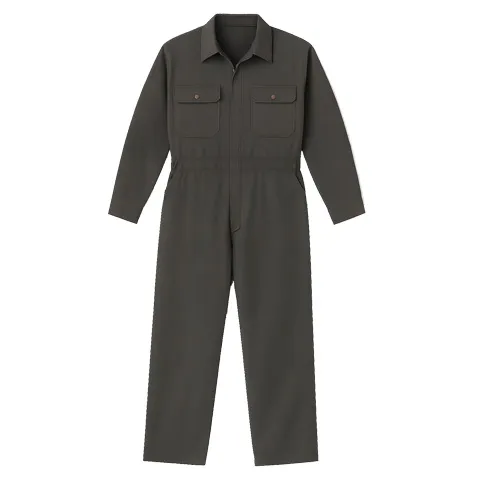
Protective clothing should allow workers to move comfortably while maintaining full body coverage.
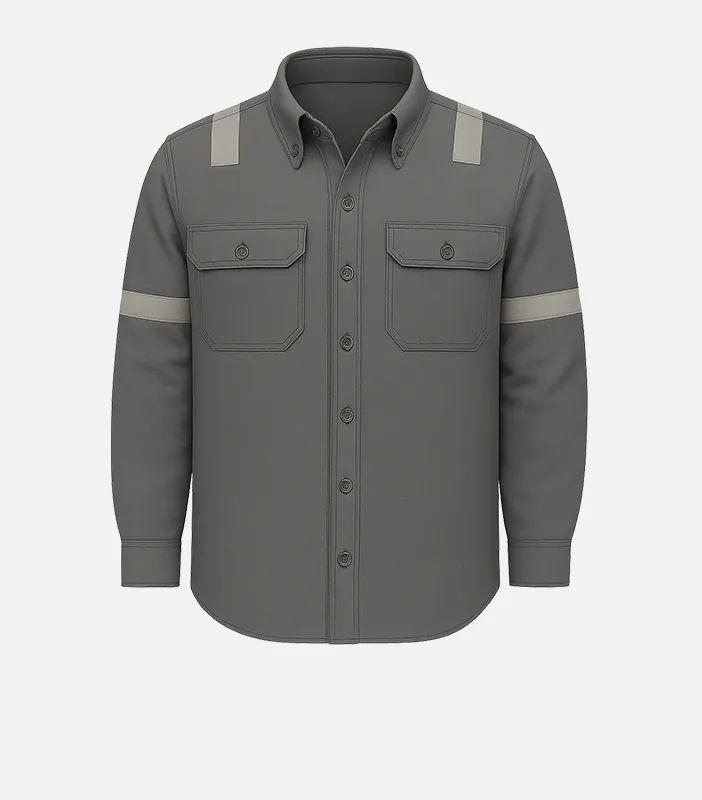
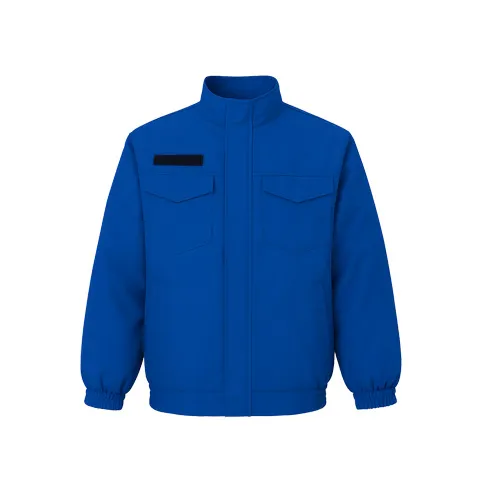
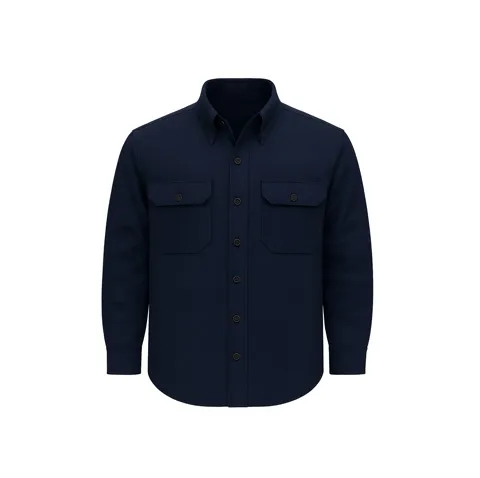
Features such as reinforced stitching, stand-up collars, adjustable cuffs, and durable closures improve both protection and garment life.
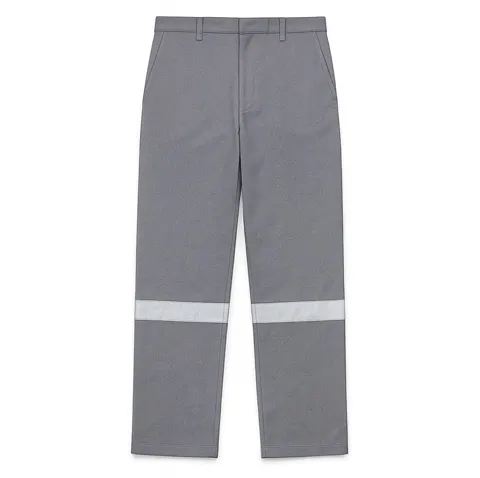
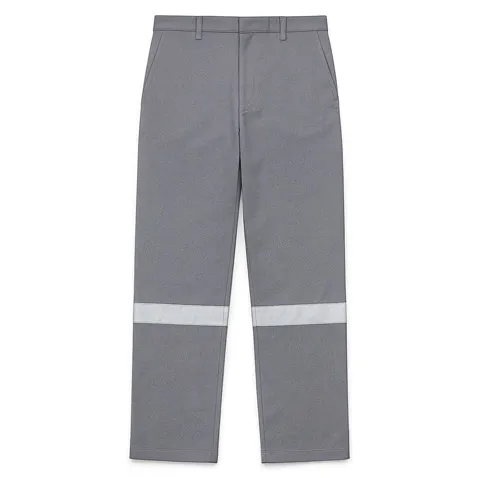
Reflective trims may also be required for areas with moving vehicles or low visibility.
Chemical plants often require customized workwear based on company standards or project specifications.
An experienced manufacturer should be able to recommend suitable fabrics, provide certification documents, and support customized designs for different working environments.
Protective workwear plays an important role in reducing workplace risks in chemical plants. Selecting garments that combine the right fabric, functional design, and certified performance helps companies improve safety while supporting daily productivity.

This is the first one.