English
A Practical Guide to Selecting, Using & Maintaining Protective Workwear
Modern industrial workplaces rarely involve a single hazard. Electrical risks, fire exposure, static electricity, poor visibility, and outdoor conditions often exist together. This multi-hazard PPE checklist helps safety managers evaluate protective clothing systematically — from hazard assessment to daily use and long-term maintenance.
Before selecting PPE, confirm which hazards are present — often more than one:
Flame & heat exposure
Electrical arc flash risk
Electrostatic discharge
Low visibility or traffic exposure
Outdoor UV exposure
Checklist Tip: PPE should be selected based on combined risk, not isolated hazards.
For environments with fire or thermal risk, ensure garments meet recognized flame-resistant standards.
✔Compliance with EN ISO 11612
✔ Self-extinguishing fabric behavior
✔ No melting or dripping under heat exposure
Flame resistance is the foundation of multi-hazard protection.
Electrical work requires verified arc-rated PPE.
✔ Arc-rated clothing tested to IEC 61482-2
✔ Arc rating (cal/cm²) matched to task risk
✔ PPE selection aligned with NFPA 70E principles
Arc flash protection should never be assumed — it must be tested and documented.
In flammable or explosive atmospheres, static control is critical.
✔ Compliance with EN 1149-5
✔ Controlled dissipation of static electricity
✔ Compatibility with FR and arc-rated fabrics
Anti-static protection reduces ignition risk in sensitive environments.
Visibility is a safety requirement in many worksites.
✔ Fluorescent base fabrics for daytime visibility
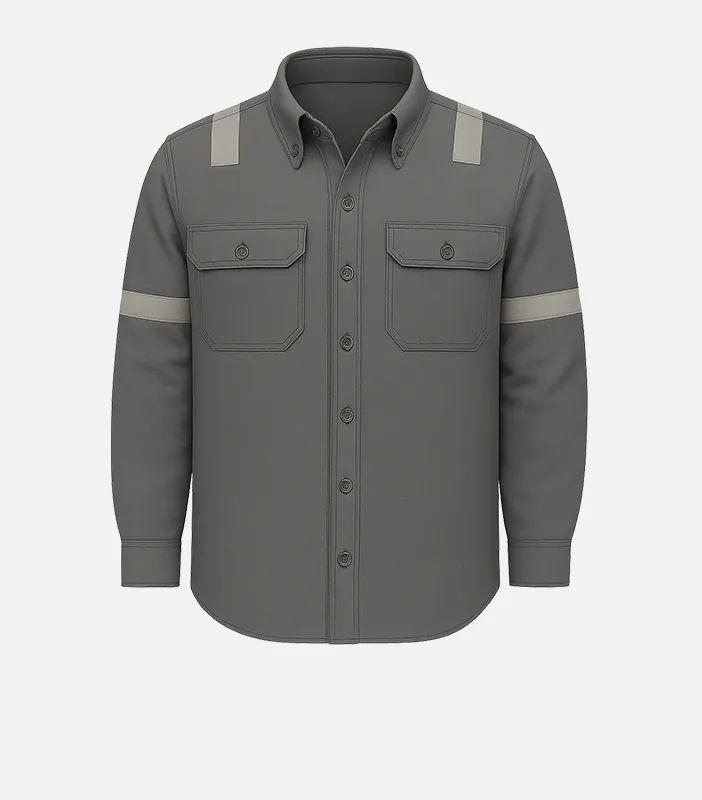
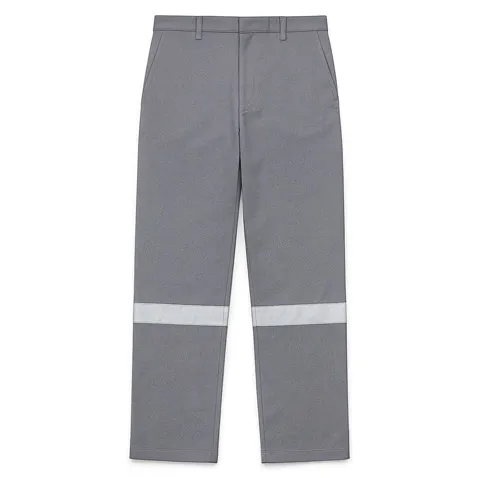
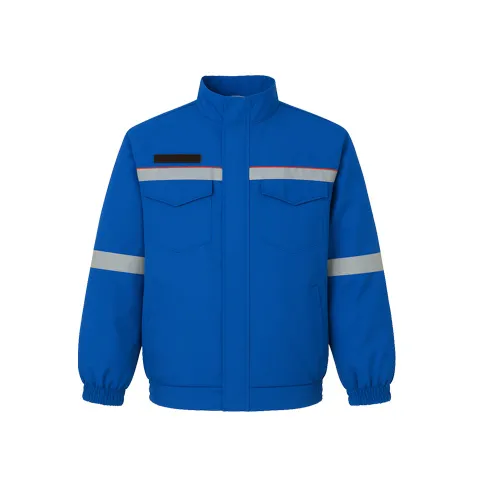
✔ Reflective tape for low-light and night work
✔ Alignment with AS/NZS 1906.4
Hi-vis features should be integrated — not added in ways that compromise protection.
Outdoor workers face long-term UV exposure risks.
✔ Fabrics tested to EN 13758-1
✔ Adequate UPF rating for extended sun exposure
✔ Coverage design that protects arms, torso, and neck areas
UV protection complements FR and hi-vis in outdoor operations.
Multi-hazard PPE must survive repeated industrial washing.
✔ Industrial laundering performance per ISO 15797
✔ Controlled shrinkage and fit retention
✔ Color and reflective performance after washing
Durability ensures protection lasts beyond initial use.
PPE only protects when worn correctly.
✔ Proper sizing and full coverage
✔ Freedom of movement for task performance
✔ Functional features (closures, pockets, reinforcements)
Comfort directly impacts compliance.
✔ Clear washing instructions followed
✔ Regular inspection for damage or fading
✔ Defined replacement criteria for worn garments
Maintenance is part of protection — not an afterthought.
Multi-hazard PPE selection is a strategic safety decision. By following this checklist, safety managers can ensure protective clothing delivers verified protection, visibility, durability, and comfort across complex industrial risks. A structured approach reduces incidents, improves compliance, and strengthens overall safety performance.