English
Arc flash personal protective equipment (PPE) is designed to protect electrical workers from extreme thermal energy released during arc flash incidents. However, even certified arc-rated clothing can lose effectiveness if it is not washed and maintained correctly. Proper care is essential to preserve arc ratings, fabric integrity, and overall safety performance.
This guide explains best practices for washing, maintaining, and inspecting arc flash PPE to ensure long-term protection.
Arc-rated garments rely on specialized flame-resistant fabrics to:
Resist ignition
Limit heat transfer
Self-extinguish after arc exposure
Improper laundering can weaken fibers, reduce thermal performance, and compromise the garment’s ability to protect workers during an arc flash event.
STEP 1: FOLLOW THE GARMENT CARE LABEL
Always follow the manufacturer’s care instructions provided on the garment label. These instructions are developed to maintain:
Arc rating performance
Flame-resistant properties
Fit and durability
Ignoring care labels is one of the most common causes of PPE failure.
STEP 2: USE THE RIGHT DETERGENTS
Avoid:
Bleach
Fabric softeners
Harsh alkaline detergents
These products can damage flame-resistant fibers or leave residues that interfere with arc flash protection.
Best practice:
✔ Use mild detergents
✔ Choose detergents approved for FR and arc-rated garments
STEP 3: CONTROL WASHING & DRYING TEMPERATURES
Excessive heat during washing or drying can:
Weaken fabric strength
Cause shrinkage
Distort garment shape
Recommended approach:
Wash at moderate temperatures
Tumble dry on low heat or air dry
Avoid over-drying
Maintaining proper temperatures helps preserve arc-rated performance.
STEP 4: WASH ARC-RATED PPE SEPARATELY
Do not wash arc-rated garments with regular clothing. Residues from everyday laundry products can contaminate PPE and reduce protective effectiveness.
Rule:
✔ Wash arc-rated PPE separately
✔ Do not mix with non-FR garments
STEP 5: PROTECT FIT & COVERAGE
Improper washing can lead to shrinkage or loss of shape. Poor fit may expose skin or reduce coverage during an arc flash incident.
Check for:
Tight sleeves or legs after washing
Shortened garment length
Restricted movement
Correct fit is a critical part of arc flash protection.
STEP 6: INSPECT PPE REGULARLY
Routine inspection helps identify early signs of damage. Look for:
Holes, tears, or thinning fabric
Loose seams or stitching
Excessive fading or wear
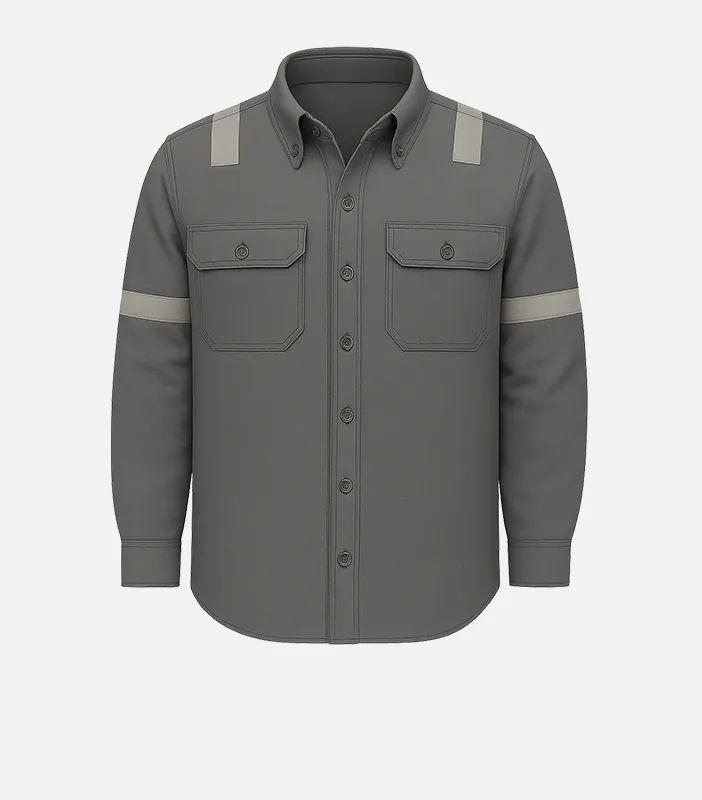
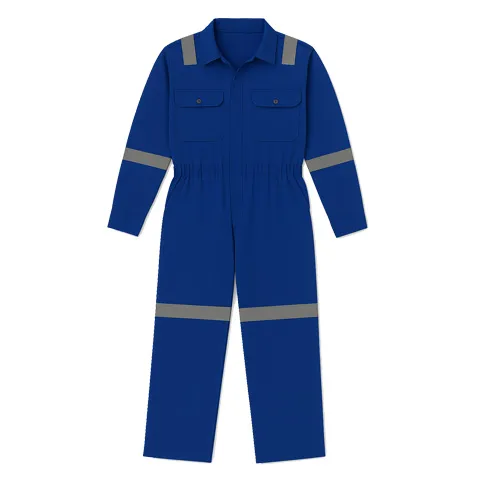
Damage to reflective or safety features
Replace garments that show significant wear or damage.
STEP 7: REMOVE CONTAMINATION PROMPTLY
Arc-rated PPE contaminated with oils, fuels, or chemicals should be cleaned as soon as possible. Contaminants can increase flammability and affect thermal performance.
Never store contaminated garments with clean PPE.
STEP 8: STORE PPE CORRECTLY
When not in use:
Store garments clean and dry
Avoid direct sunlight exposure
Keep away from chemicals or heat sources
Proper storage helps preserve protective properties between uses.
Arc flash PPE is a critical safety investment — but its protection depends on proper care and maintenance. By following correct washing procedures, using appropriate detergents, inspecting garments regularly, and replacing worn PPE, employers can ensure arc-rated clothing continues to deliver reliable protection when it matters most.
Proper care protects workers, extends garment life, and strengthens overall electrical safety programs.