English
In industries such as oil & gas, petrochemical, and chemical processing, explosive atmospheres can occur due to flammable gases, vapors, or dust. In these environments, even a small spark can lead to serious incidents.
This is where ATEX regulations play a critical role. They define how equipment—including workwear—should perform to reduce explosion risks and ensure safe operations.
ATEX refers to European regulations that control equipment and protective systems used in potentially explosive atmospheres.
The term comes from:
ATEX Directive 2014/34/EU (equipment)
Workplace directive for safety requirements
ATEX ensures that products used in hazardous environments are designed to prevent ignition sources.
An explosive atmosphere is created when:
Flammable gas, vapor, or dust is present
Oxygen is available
An ignition source exists
If all three conditions are met, an explosion can occur.
Common ignition sources include:
Electrical sparks
Static electricity
Hot surfaces
ATEX divides hazardous environments into zones based on risk level.
GAS ZONES
Zone 0 – Continuous explosive atmosphere
Zone 1 – Likely during normal operation
Zone 2 – Unlikely, but possible
DUST ZONES
Zone 20 – Continuous dust hazard
Zone 21 – Occasional hazard
Zone 22 – Rare hazard
Higher risk zones require stricter protection.
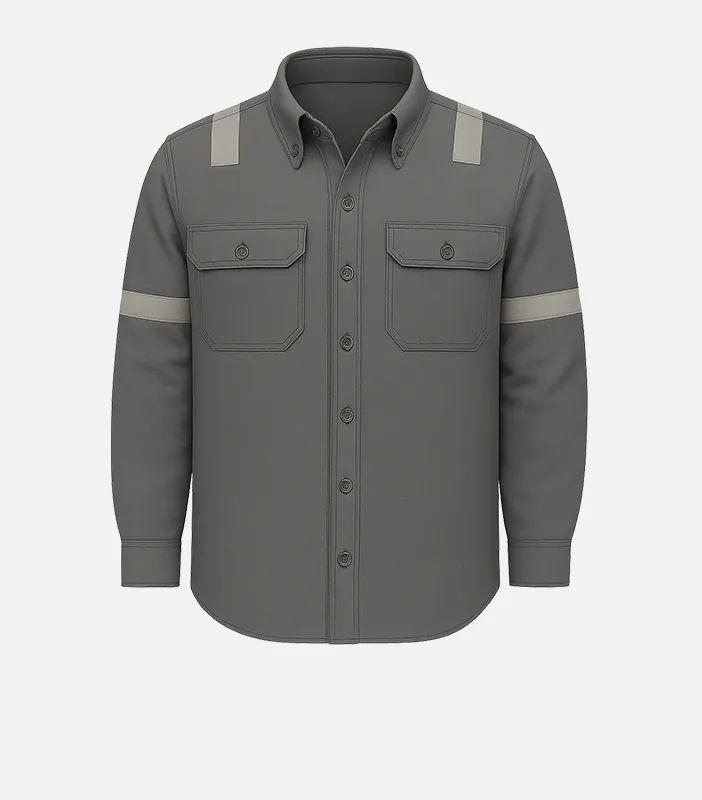
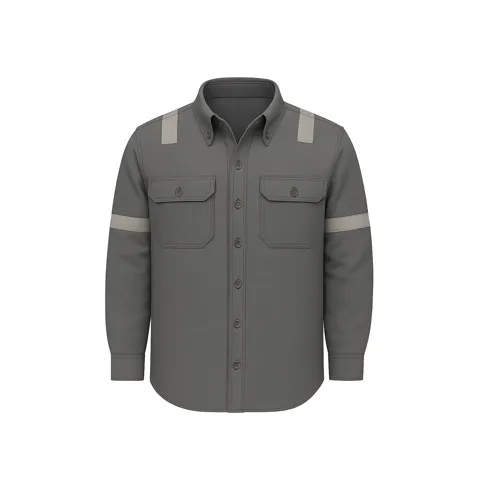
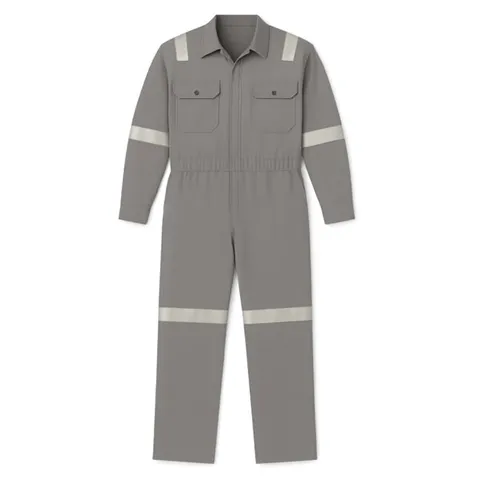
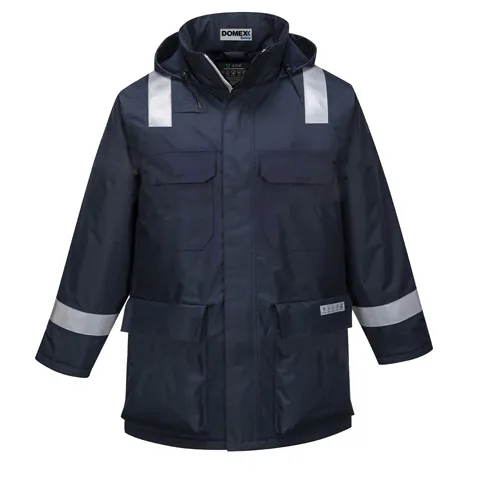
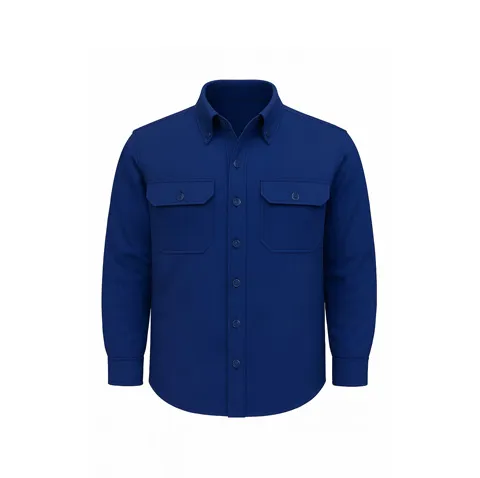
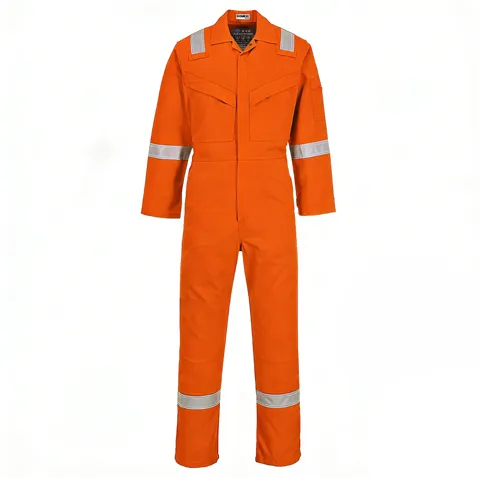
While ATEX mainly focuses on equipment, workwear plays a key role in preventing ignition—especially from static electricity.
Protective clothing in ATEX environments should:
Prevent electrostatic discharge
Avoid generating sparks
Be compatible with grounding systems
This is why anti-static workwear is essential.
To comply with ATEX requirements, workwear must meet relevant standards.
Common standards include:
EN 1149-5 – Anti-static performance
EN ISO 11612 – Heat and flame protection
IEC 61482 – Arc flash protection (if required)
Multi-hazard garments are often used in ATEX zones.
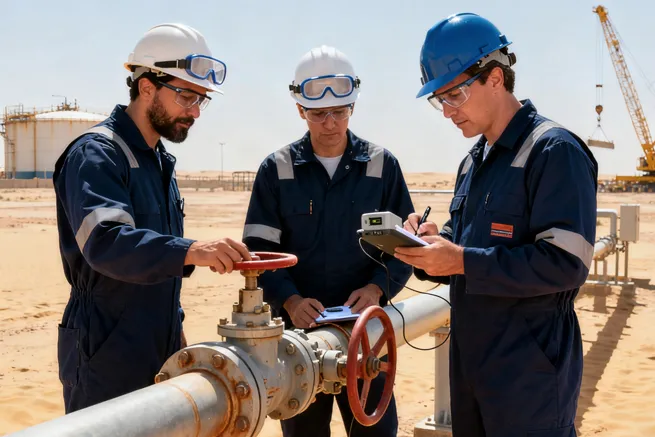
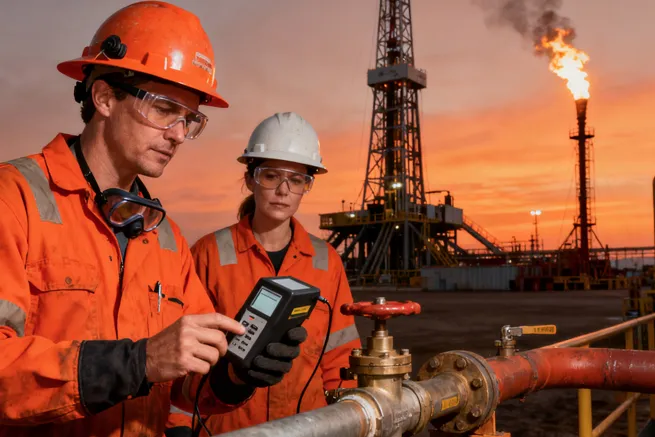
ATEX-related workwear is commonly used in:
Oil & gas exploration and refining
Petrochemical plants
Chemical manufacturing
Fuel storage and transportation
Dust-sensitive industries
In these environments, proper PPE is critical.
Some common issues include:
Using non-certified clothing
Ignoring static control requirements
Wearing contaminated garments
Not grounding workers properly
These mistakes can increase explosion risk.
To maintain safety performance:
Keep garments clean from oil and contaminants
Avoid fabric softeners
Inspect regularly
Replace damaged clothing
Proper care ensures reliable protection.
ATEX regulations play a vital role in preventing explosions in hazardous environments. While equipment design is critical, workwear also contributes to overall safety by reducing ignition risks.
Choosing certified anti-static and multi-hazard protective clothing helps ensure safe operations in high-risk industries.