English
In industrial environments where workers are exposed to heat and flame hazards, protective clothing is essential. Among different options, inherently flame-resistant (IFR) fabrics are widely recognized for their long-term performance and reliability.
Understanding how inherently flame-resistant fabrics work—and how they differ from treated fabrics—helps companies choose the right protection for their workforce.
Inherently flame-resistant fabric is made from fibers that naturally resist ignition and do not lose their protective properties over time or after washing.
Flame resistance is built into the fiber itself—not applied as a treatment.
Inherent FR fabrics are engineered at the fiber level.
When exposed to flame:
The fabric resists ignition
It self-extinguishes after the heat source is removed
It forms a stable char layer that protects the skin
It does not melt or drip
This behavior helps reduce burn injuries in hazardous environments.
Inherent FR fabrics are typically made from specialized fibers.
Common materials include:
Modacrylic
Meta-aramid
Para-aramid
FR viscose blends
These fibers are often blended to balance protection, comfort, and durability.
Understanding the difference is important for selecting the right material.
INHERENT FR FABRICS
Flame resistance is permanent
Performance does not wash out
Suitable for long-term use
TREATED FR FABRICS
Flame resistance is applied chemically
Requires proper maintenance
Often more cost-effective
Both types are widely used depending on application.
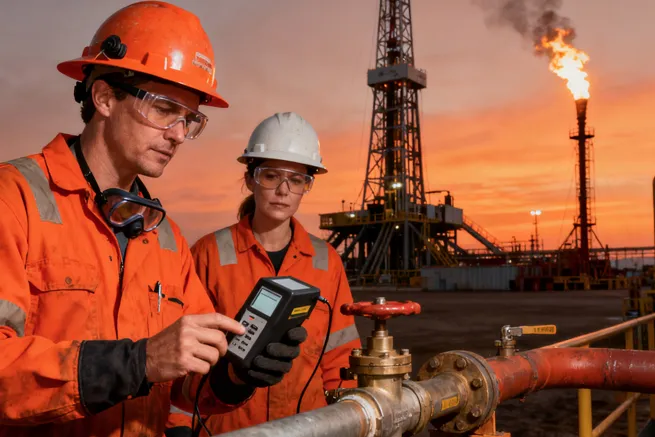
Inherent FR fabrics are commonly used in:
Oil & gas operations
Electrical utilities
Petrochemical industries
High-risk industrial environments
They are often chosen for multi-hazard protection applications.
Long-lasting flame resistance
Stable performance after repeated washing
Good thermal protection
Suitable for demanding environments
These features make IFR fabrics a reliable option for protective workwear.
Inherent FR fabrics are ideal when:
Long service life is required
Frequent washing is expected
High-performance protection is needed
Multi-hazard environments are present
Although inherently flame-resistant, proper care is still important.
Best practices include:
Following washing instructions
Avoiding contamination
Inspecting garments regularly
Replacing damaged items
Proper maintenance ensures consistent performance.
Inherently flame-resistant fabrics provide reliable, long-lasting protection in hazardous environments. By understanding how these materials work and when to use them, companies can select protective clothing that meets both safety and operational requirements.
Choosing the right fabric is a key step in building an effective safety program.