English
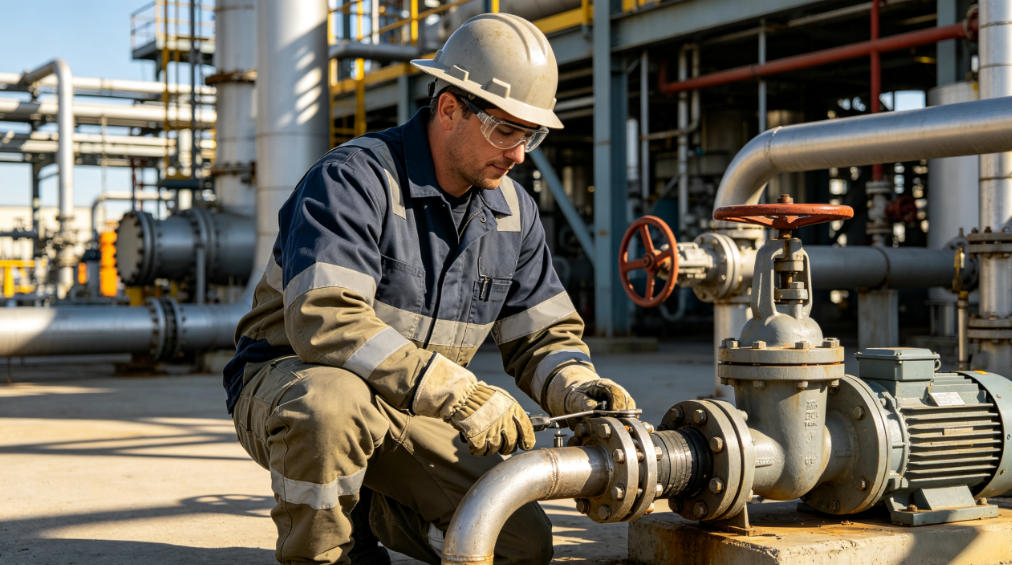
For oil and gas, petrochemical, and industrial companies, flash fire is one of the most serious workplace hazards. A sudden ignition of flammable gas, vapor, or liquid can expose workers to extreme heat within seconds.
NFPA 2112 is one of the most recognized standards for industrial flash fire protective clothing. It provides performance requirements for garments designed to protect workers against short-duration thermal exposure.
Understanding this standard helps safety managers and procurement teams select suitable flame resistant (FR) workwear for high-risk environments.
NFPA 2112 is a standard developed for flame resistant garments used in industrial environments where flash fire hazards exist.
Unlike ordinary workwear, garments certified to NFPA 2112 are evaluated as a complete protective system, including:
● Fabric performance
● Garment construction
● Thermal protection
● Design details
The purpose is not to make workers fireproof, but to provide additional protection and reduce injury severity during a flash fire event.
When evaluating NFPA 2112 compliant clothing, buyers should consider several important factors.
The fabric should resist ignition and limit flame spread after exposure to fire.
A suitable FR garment should not continue burning after the flame source is removed.
Flash fire exposure involves intense heat transfer.
Protective clothing is evaluated based on its ability to reduce heat reaching the wearer’s skin.
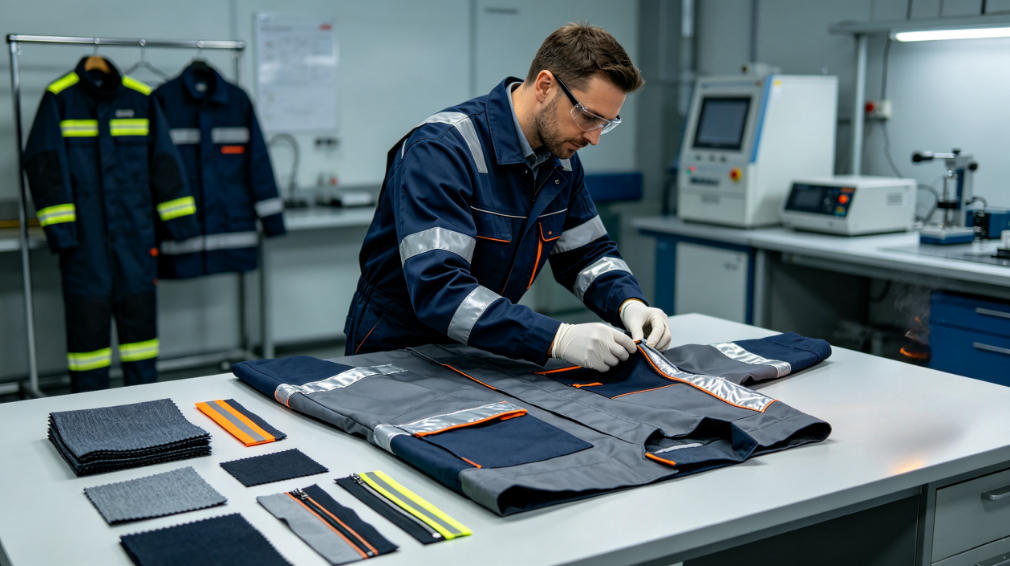
Certification is not only about fabric.
Important details include:
● Stitching methods
● Closures
● Pocket design
● Reinforced areas
Poor garment construction can reduce overall protection.
Ordinary industrial uniforms are mainly designed for comfort and durability.
However, they may:
● Ignite easily
● Continue burning
● Increase burn injuries
FR workwear is specifically engineered for hazardous environments where fire exposure is possible.
Different applications require different fabric solutions.
FR Cotton, Suitable for:
● General industrial applications
● Moderate-risk environments
Advantages:
● Comfortable
● Breathable
● Cost-effective
FR Blended Fabrics, Commonly used for oil and gas projects.
Advantages:
● Good balance of protection and comfort
● Better durability
● Suitable for frequent washing
Aramid-Based Fabrics, Designed for higher-risk operations.
Advantages:
● Inherent flame resistance
● Excellent thermal performance
● Long service life
When purchasing NFPA 2112 workwear, companies should not only request a certificate.
A professional supplier should provide:
● Valid test reports
● Fabric information
● Product specifications
● Quality control records
Buyers should also confirm that the certified fabric and final garment match the delivered product.
NFPA 2112 provides an important reference for companies managing flash fire risks. Selecting suitable FR workwear requires consideration of certification, fabric technology, garment design, and supplier capability. The right protective clothing solution helps companies improve worker safety and build a reliable industrial safety program.
DOMEX focuses on the design and innovation of specialized protective apparel, with deep expertise in core safety technologies such as flame resistance and anti-static protection. We provide safe and reliable professional protective solutions for the industrial, electrical, oil, and chemical sectors, and are committed to becoming a globally trusted protective brand.