English
Arc flash is one of the most dangerous hazards in industrial and electrical workplaces. A single arc flash incident can release extreme thermal energy, intense light, and explosive pressure—causing severe burns, equipment damage, and even fatalities within milliseconds.
This article explains what arc flash is, why arc flash protection is critical, which standards apply, and how to select proper arc flash protective clothing for industrial safety.
An arc flash is a sudden release of electrical energy caused by a fault or short circuit. When electricity travels through air instead of an intended conductor, it generates:
Extremely high temperatures (up to 19,000°C)
Intense thermal radiation
Blinding light
Pressure waves and molten metal fragments
Without proper protection, workers exposed to an arc flash can suffer second- or third-degree burns in less than a second.
Arc flash incidents commonly occur during:
Electrical installation and maintenance
Switchgear and panel operations
Equipment inspection or troubleshooting
Energized work in industrial facilities
Unlike typical fire hazards, arc flash events happen instantly and without warning, making preventive protection essential rather than optional.
Arc flash protective clothing is designed to reduce heat transfer from arc energy to the skin, minimizing burn severity. These garments are made from flame-resistant fabrics that:
Do not ignite or continue burning
Do not melt or drip
Form a protective char layer under arc exposure
Arc flash protection is measured by an arc rating, expressed in calories per square centimeter (cal/cm²), indicating the level of thermal energy the garment can withstand.
Arc rating is the most critical factor when selecting arc flash PPE.
A low arc rating may provide insufficient protection
An excessively high arc rating may reduce comfort and wear compliance
The goal is to match arc-rated clothing to the actual hazard level, ensuring both safety and practicality.
IEC / EN 61482 – ARC FLASH CLOTHING STANDARDS
These standards define test methods and performance levels for protective clothing against electrical arc hazards, including box tests and open arc tests.
ASTM F1506 – ARC RATED FABRICS
Specifies minimum performance requirements for flame-resistant fabrics used in arc flash protective garments, commonly applied in electrical workwear.
NFPA 70E – ELECTRICAL SAFETY IN THE WORKPLACE
Provides guidance on electrical hazard risk assessment and arc flash PPE selection, widely referenced by safety managers worldwide.
These standards ensure arc flash clothing delivers verified and repeatable protection under real hazard conditions.
Arc flash protection is available in multiple garment formats, including:
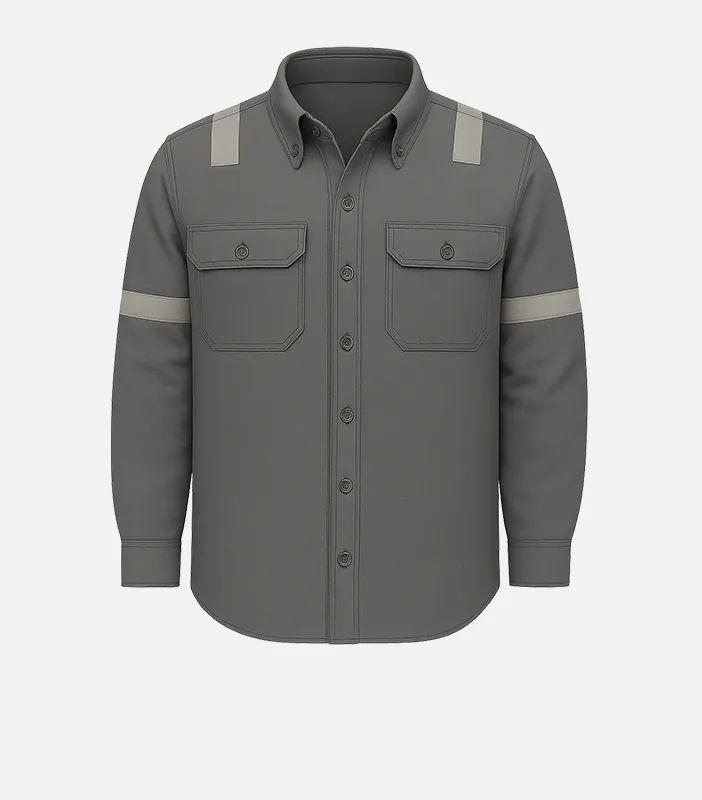
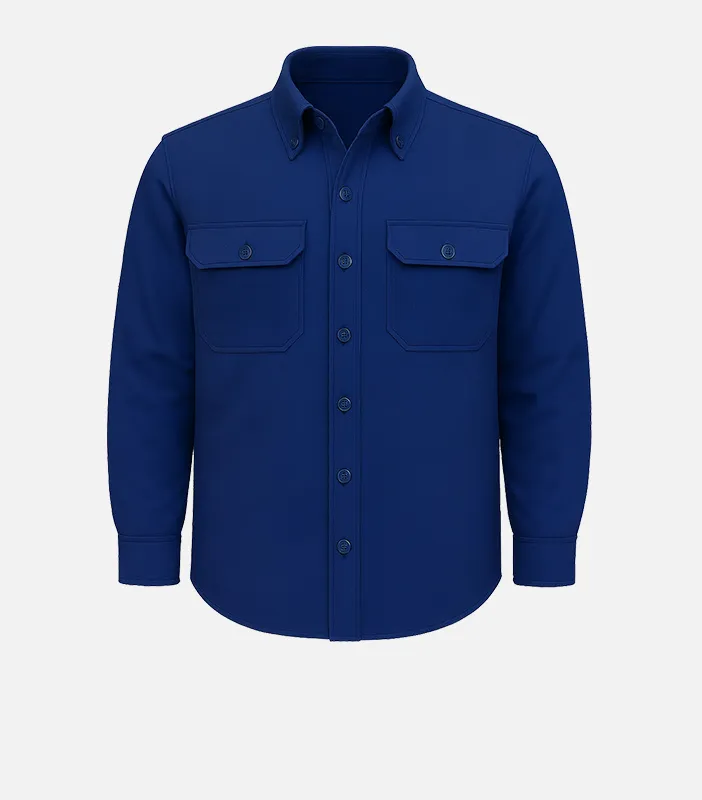
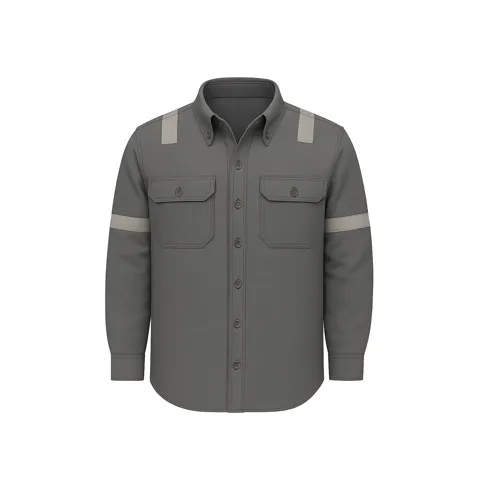
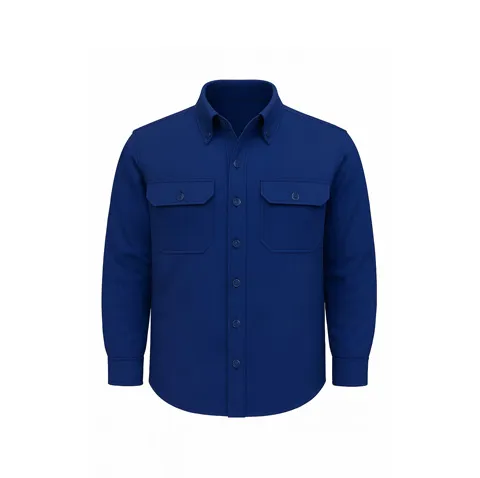
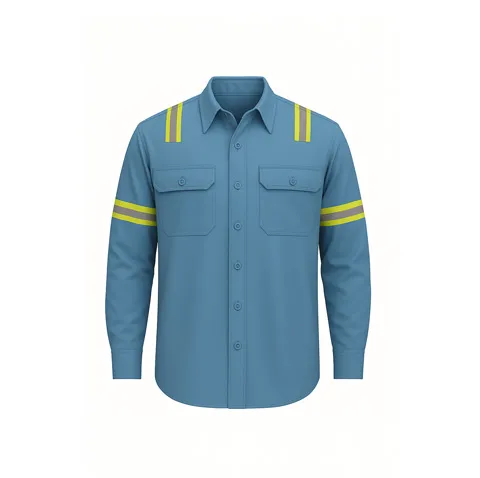
Arc flash shirts – lightweight protection for routine tasks
Arc flash pants – paired with shirts for flexible protection
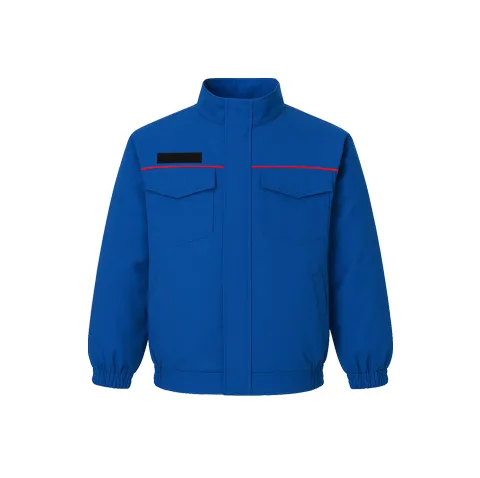
Arc flash jackets – added protection for higher-risk work
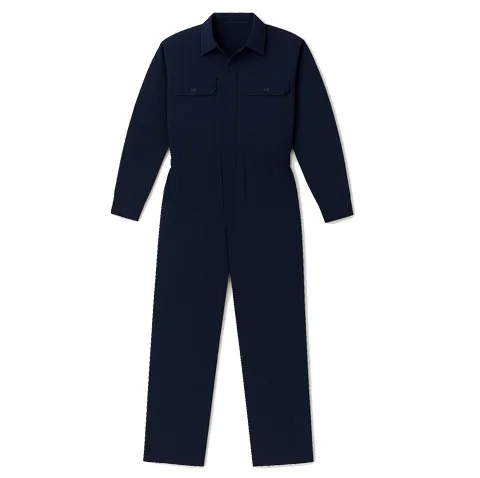
Arc flash coveralls – full-body coverage for complex environments
Choosing the right garment type depends on task risk, work duration, and environmental conditions.
While all arc-rated garments are flame-resistant, not all flame-resistant clothing is arc-rated.
Flame-resistant clothing protects against fire and heat
Arc-rated clothing is specifically tested for electrical arc exposure
For electrical work, arc-rated certification is essential.
Improper care can reduce arc-rated performance. Best practices include:
Following garment care instructions
Avoiding bleach and fabric softeners
Using controlled washing temperatures
Inspecting garments regularly for wear, damage, or contamination
Durability and washing performance play a major role in long-term protection.
Safety managers should consider:
Arc flash risk assessment results
Required arc rating (cal/cm²)
Applicable standards and certifications
Garment comfort and mobility
Durability for industrial laundering
Proper selection reduces risk while supporting worker compliance.
Arc flash hazards demand serious attention and professional protection. Understanding arc flash risks, standards, and protective clothing options allows employers to build safer electrical work environments. Arc flash PPE is not just compliance—it is a critical safeguard for human life.