English
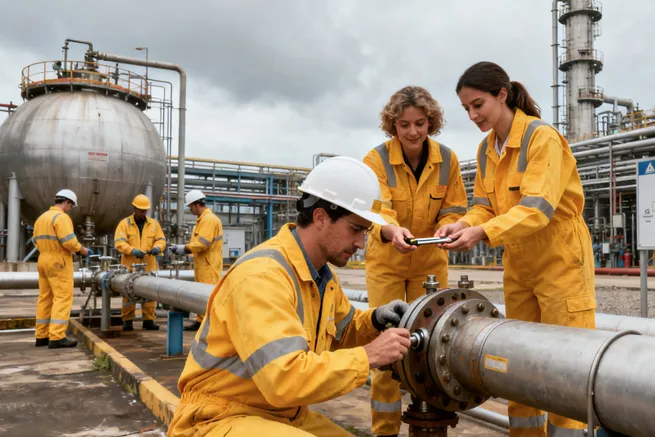
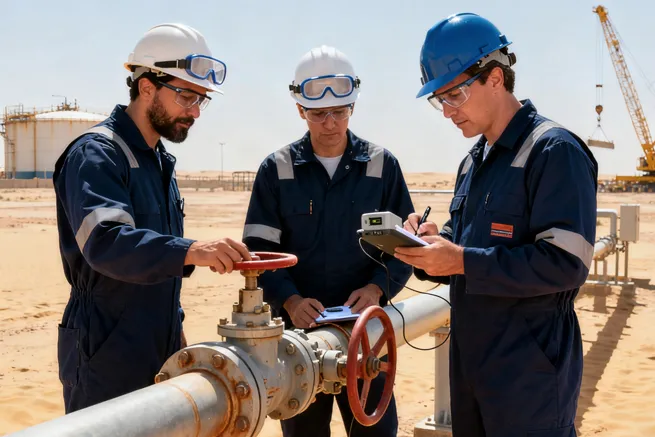
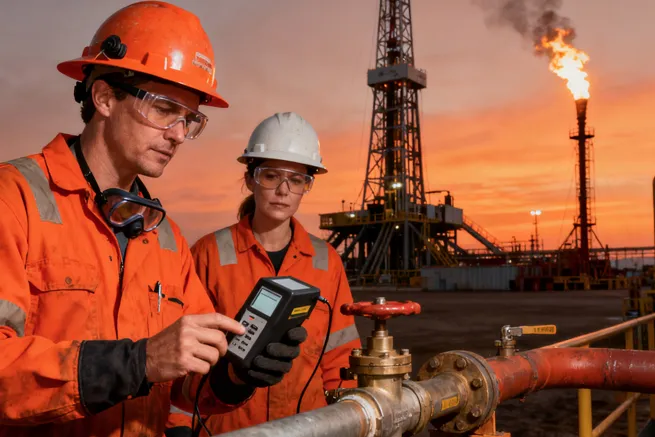
When it comes to worker safety, the quality and performance of protective clothing are paramount. One standard that plays a crucial role in ensuring the safety and comfort of workers is EN ISO 13688. This international standard outlines the general performance requirements for protective clothing, ensuring garments are not only safe but also comfortable and durable for long-term use. In this blog, we’ll explain why EN ISO 13688 is essential for producing high-quality protective clothing and how it benefits both workers and employers.
EN ISO 13688 is an international standard that establishes the general requirements for protective clothing used in workplaces with potential hazards. Unlike specific standards that apply to specialized clothing types, such as flame-resistant or chemical-protective garments, EN ISO 13688 sets broad guidelines for all types of protective wear, focusing on the material performance, fit, and comfort.
This standard covers the following key areas:
Design and Construction: Ensures protective clothing is designed for durability, comfort, and mobility.
Fabric Performance: Specifies the quality of fabrics used in protective clothing to ensure longevity and safety.
Comfort and Fit: Ensures clothing is comfortable for workers, enhancing performance and reducing fatigue.
Protective clothing that meets the EN ISO 13688 standard offers multiple advantages for both employers and employees:
Comprehensive Protection: The standard ensures that garments provide adequate protection from a range of workplace hazards, while still allowing for flexibility and comfort.
Prevention of Injuries: Properly fitted, durable, and well-designed clothing helps reduce the risk of injuries from abrasions, burns, and other workplace accidents.
Worker Comfort: EN ISO 13688 ensures that protective clothing is breathable and allows freedom of movement, reducing discomfort during long shifts.
Durability is a key aspect of protective clothing, and EN ISO 13688 ensures that garments are constructed to withstand the wear and tear of daily work. The standard requires clothing to maintain its protective qualities even after repeated washing and use, preventing garments from losing their effectiveness.
Tear and Abrasion Resistance: The fabrics used in protective clothing must resist tears and abrasions, ensuring long-lasting protection.
Fabric Durability: The clothing’s fabric must maintain its strength and protective properties even after multiple washing cycles, making it more cost-effective for companies in the long run.
Workers need to feel comfortable in their protective clothing to ensure safety and productivity. EN ISO 13688 requires that garments allow for adequate airflow and fit properly to prevent fatigue and discomfort.
Breathability: The fabric must allow moisture to escape, reducing the risk of overheating and discomfort in warm environments.
Freedom of Movement: The clothing must be designed to allow workers to move freely and perform their tasks without restrictions.
For many industries, compliance with EN ISO 13688 is a legal requirement. Employers must ensure that their workers are equipped with clothing that meets the necessary safety standards to protect them from workplace hazards.
Legal Protection: Adhering to this standard helps businesses comply with workplace safety regulations, reducing the risk of legal liability in case of an accident.
Risk Reduction: By providing workers with protective clothing that meets EN ISO 13688, companies can significantly reduce the risk of injuries and improve overall workplace safety.
EN ISO 13688 is more than just a standard—it's a critical tool for ensuring worker safety, comfort, and clothing durability. By ensuring that protective clothing meets this standard, companies can provide workers with the right level of protection while ensuring long-lasting, comfortable wear.
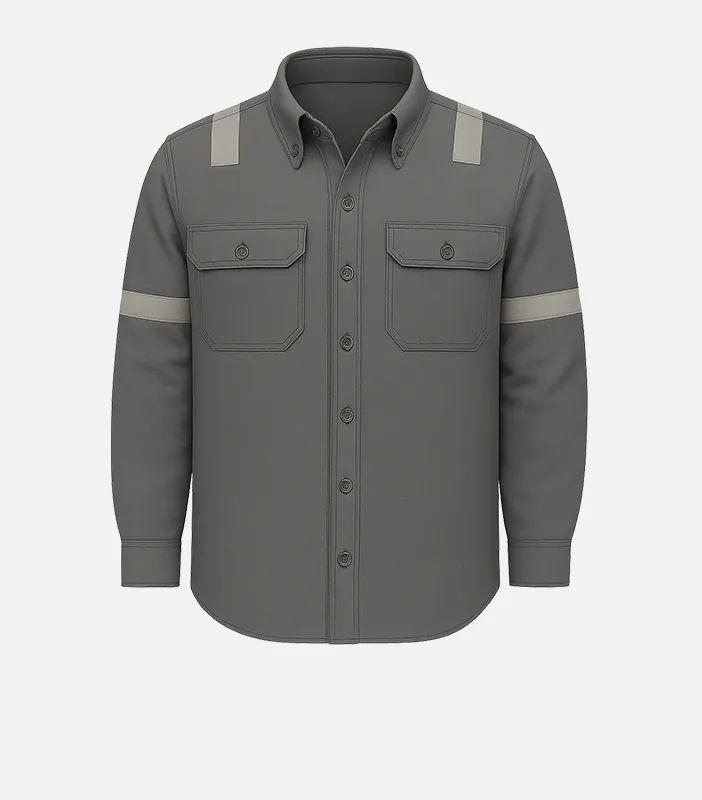
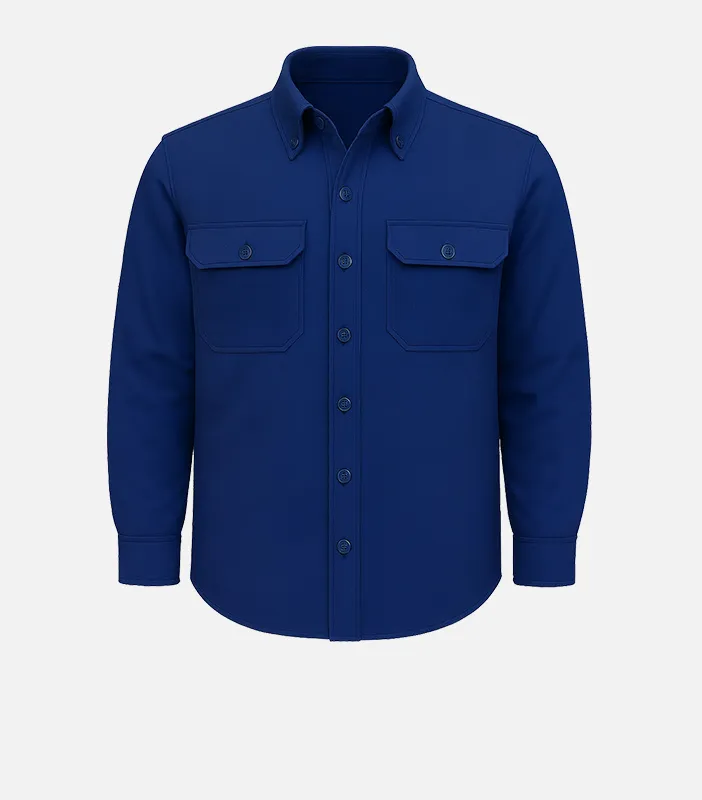
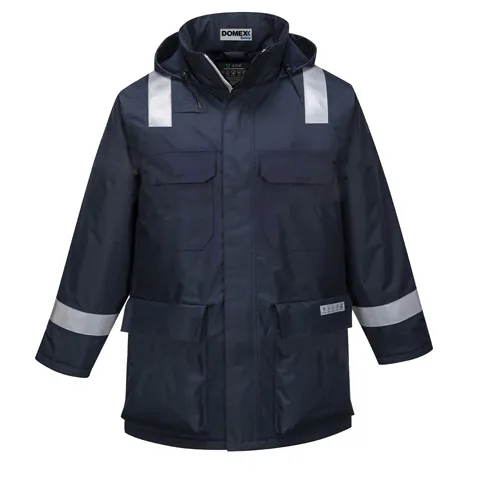
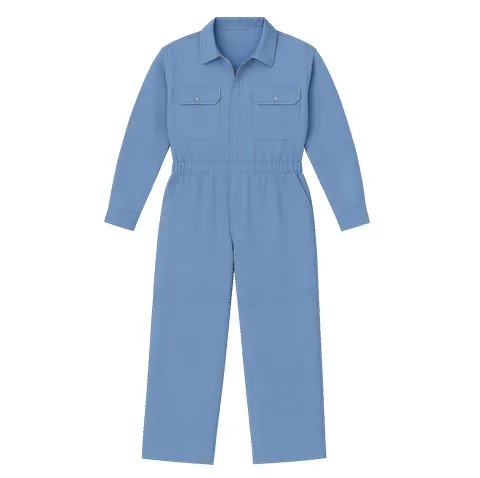
At Domex Safety, we offer a wide range of protective clothing that meets EN ISO 13688 standards, providing both comfort and durability. Explore our selection to find the perfect safety solution for your workforce, and ensure your workers stay safe and comfortable at all times.