English
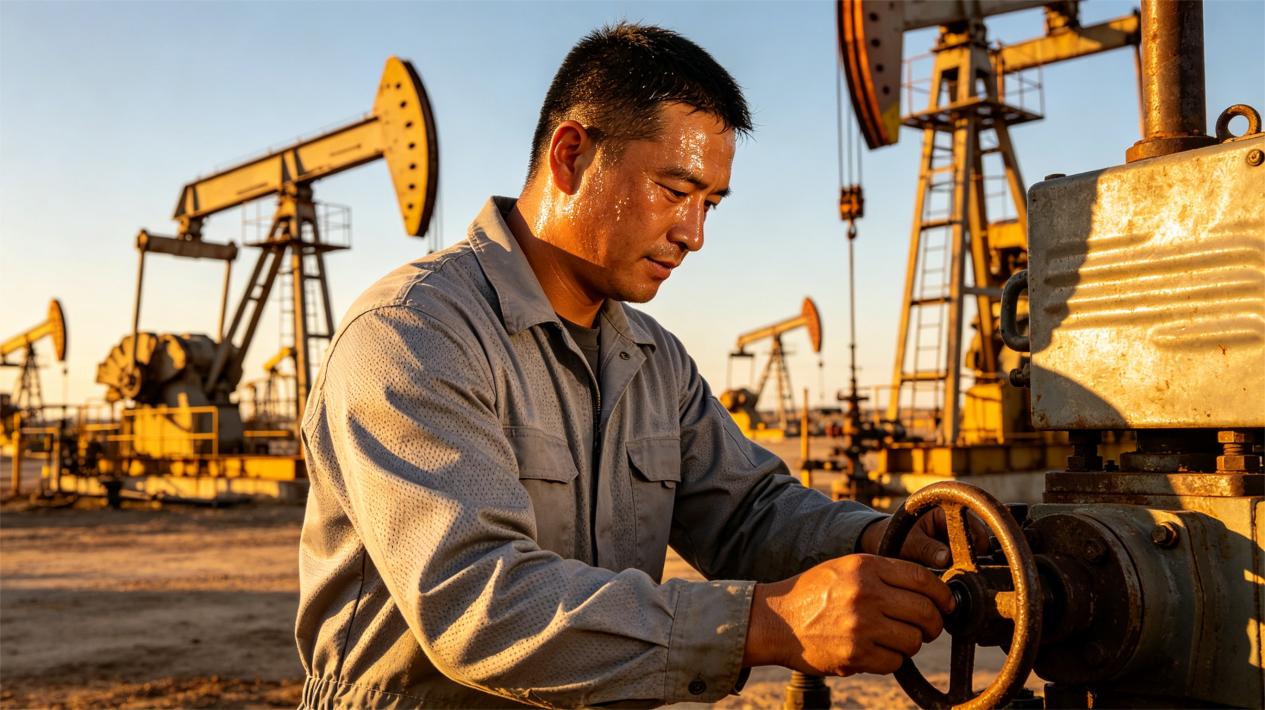
Summer can be one of the most challenging seasons for industrial workers. Whether on a construction site, inside a manufacturing plant, at a logistics hub, or in an outdoor maintenance role, excessive heat can quickly affect concentration, comfort, and productivity.
Many companies focus on durability and protection when selecting workwear, but overlook another important factor: thermal comfort. Heavy or poorly ventilated garments can lead to heat stress, fatigue, and reduced work efficiency.
The good news is that modern fabric technology offers a range of lightweight and breathable solutions designed specifically for hot working environments. Choosing the right material can help workers stay cooler throughout the day while still meeting workplace safety requirements.
During physical activity, the body naturally generates heat and moisture. If workwear traps that heat or prevents sweat from evaporating, employees can quickly become uncomfortable.
In extreme conditions, prolonged exposure to heat may contribute to:
Reduced concentration
Increased fatigue
Lower productivity
Higher risk of heat-related illness
Reduced willingness to wear protective clothing correctly
For employers, selecting suitable summer workwear is not just about comfort—it can also support safety and operational efficiency.
Not all lightweight fabrics perform the same way. The most practical materials for hot environments usually share several important characteristics.
Lightweight Construction
Lighter fabrics reduce the physical burden of wearing workwear throughout long shifts.
For many industrial applications, fabrics between 120gsm and 180gsm provide a good balance between comfort and durability. Excessively heavy garments may increase heat retention and make movement less comfortable.
Breathability
Airflow plays a major role in thermal comfort.
Breathable fabrics allow warm air and moisture to escape, helping regulate body temperature naturally. Fabric structure often matters just as much as fabric composition when it comes to ventilation.
Moisture Management
Sweat is unavoidable in hot working environments.
A well-designed fabric should help move moisture away from the skin and allow it to evaporate quickly. This helps workers stay drier and reduces the sticky feeling that often occurs during summer operations.
Softness and Flexibility
Workers may spend eight to twelve hours wearing the same uniform. Fabrics that feel smooth against the skin and allow unrestricted movement can improve overall wearer acceptance and comfort.
Functional Performance
For many industries, summer workwear still needs to provide additional protection such as:
Flame resistance
Anti-static performance
High visibility
Oil repellency
UV protection
Reducing fabric weight should never compromise the required level of workplace safety.
Lightweight Cotton
Cotton remains one of the most widely used materials for warm-weather uniforms. Its natural breathability and moisture absorption make it comfortable for everyday industrial use. Many workers also prefer the soft feel of cotton compared to synthetic fabrics. Best suited for:
Assembly workshops
General manufacturing
Warehousing
Maintenance teams
Low-risk working environments
The main limitation is slower drying speed when compared with technical fabrics.
Cotton-Polyester Blends
For many companies, cotton-polyester blends offer the most practical balance of comfort and durability. By combining natural and synthetic fibers, these fabrics can provide:
Improved wrinkle resistance
Better shape retention
Faster drying
Higher durability
Lower shrinkage after washing
This combination is commonly found in factory uniforms, logistics workwear, and general industrial garments.
Moisture-Wicking Technical Fabrics
Technical polyester fabrics designed for moisture management have become increasingly popular in hot climates. Unlike traditional polyester, modern performance fabrics use engineered fiber structures that help move moisture away from the body and improve airflow. They are often selected for:
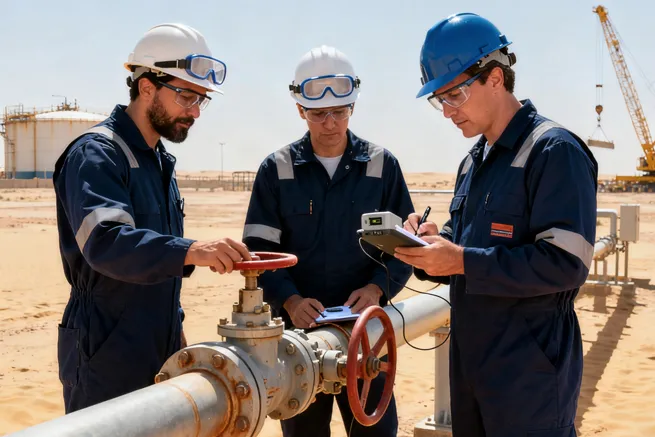
Outdoor construction
Mining operations
Transportation
Utility services
High-activity work environments
Coolmax® Fabrics
Coolmax® technology is designed specifically for heat management. Its multi-channel fiber structure helps transport moisture away from the skin more efficiently than many conventional materials. Workers who spend long hours outdoors often appreciate the cooling effect and lightweight feel of these fabrics.
Lightweight Protective Fabrics
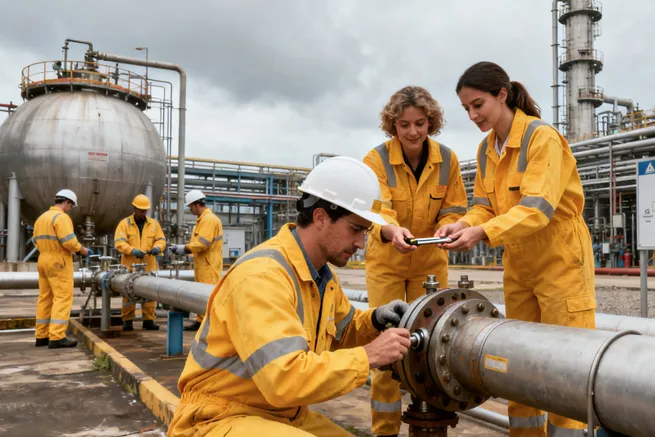
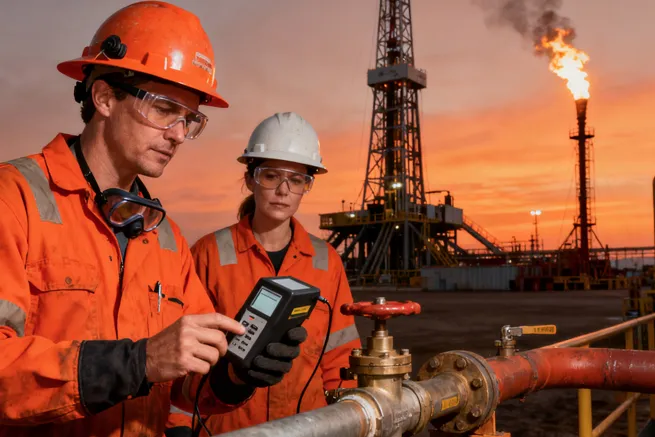
For industries requiring flame-resistant or anti-static clothing, specially developed lightweight versions are now available. These fabrics are engineered to maintain protective performance while reducing weight and improving comfort. Common applications include:
Oil and gas operations
Petrochemical plants
Electrical maintenance
Utility work
Welding support activities

Fabric alone cannot solve every comfort issue. Garment construction also plays a major role.
Short-Sleeve Workwear
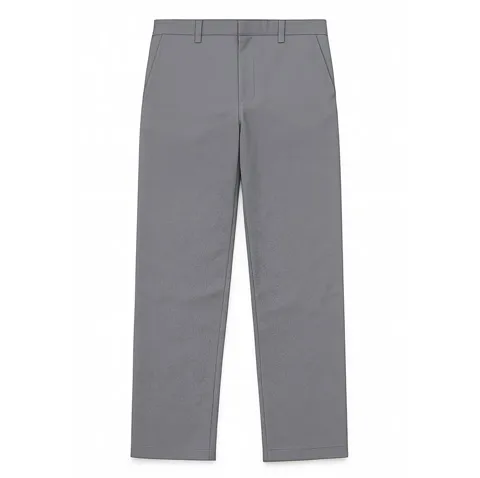
Short-sleeve shirts paired with lightweight trousers remain one of the most popular summer solutions. This design improves airflow and reduces heat accumulation around the upper body.
Breathable Long-Sleeve Garments
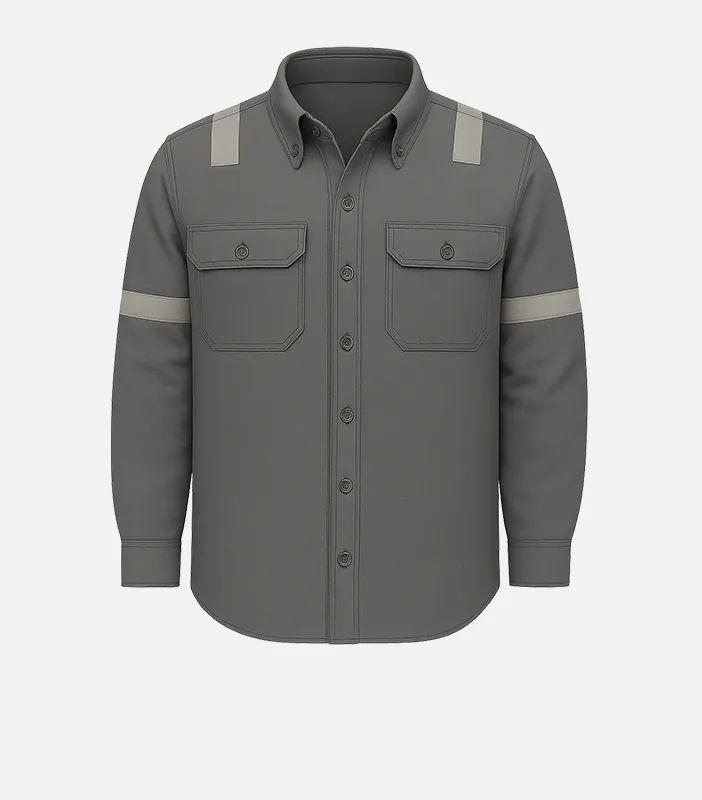
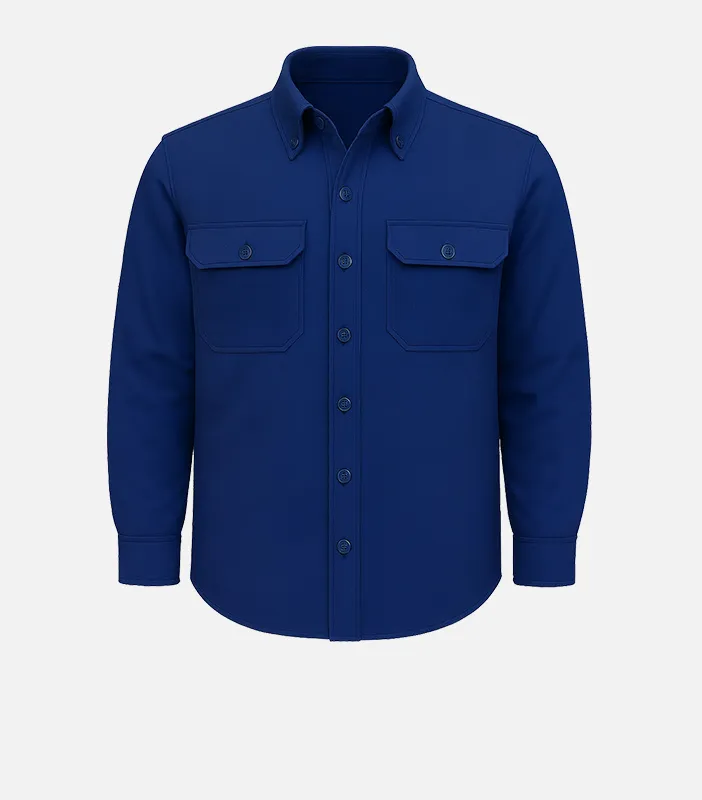
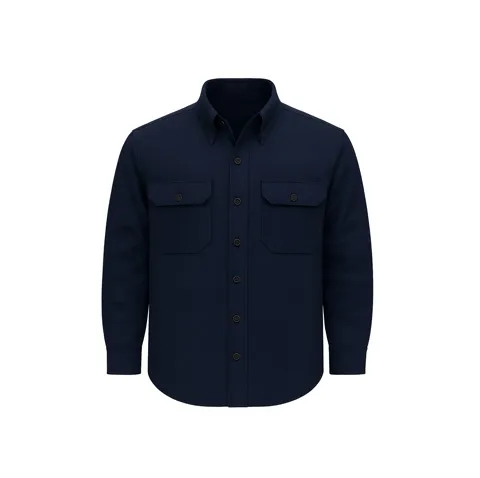
For outdoor work where sun protection is important, lightweight long-sleeve garments can offer a practical alternative. Modern designs often include:
Ventilation panels
Mesh inserts
Relaxed fit construction
Hidden airflow channels
This allows workers to remain protected without feeling excessively warm.
Lightweight Coveralls
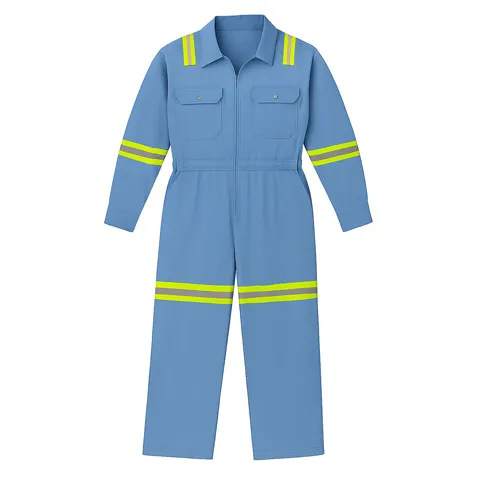
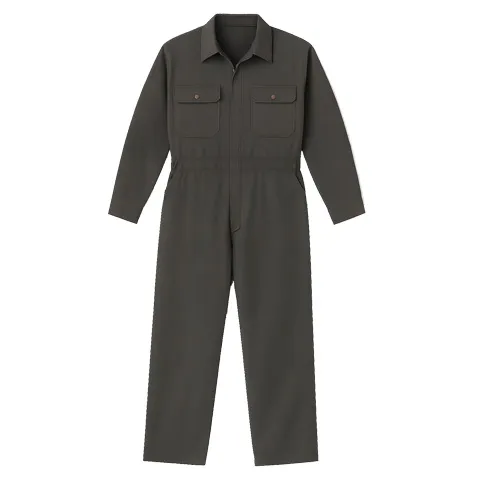
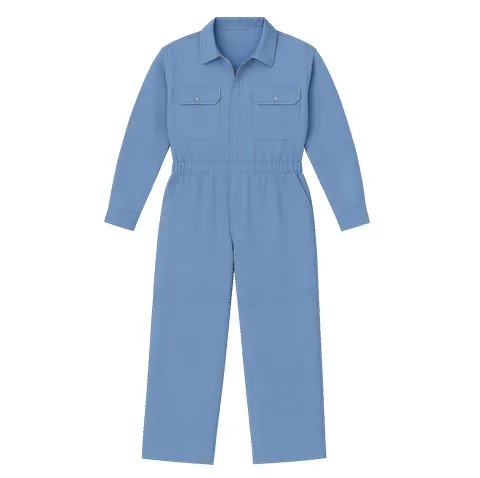
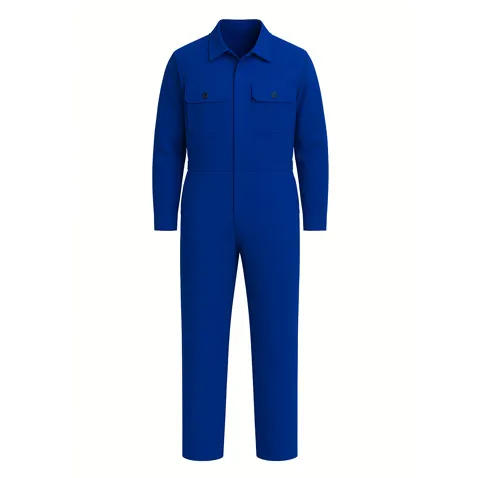
Certain industries require full-body coverage. Modern lightweight coveralls use strategically placed ventilation zones and lighter fabric constructions to improve comfort while maintaining workplace requirements.
High Visibility Summer Workwear
For road construction, logistics yards, and infrastructure projects, lightweight high-visibility garments can improve worker comfort while maintaining visibility standards.
There is no single fabric suitable for every workplace. When selecting summer workwear, companies should evaluate:
Working Temperature
Higher temperatures generally require lighter fabrics and better moisture management.
Physical Activity Level
Jobs involving constant movement often benefit from quick-drying technical materials.
Safety Requirements
Protective performance should always be matched to workplace hazards before considering comfort features.
Laundering Frequency
Workwear that is washed daily should maintain its appearance, size, and performance after repeated laundering.
Expected Service Life
A slightly higher initial investment may reduce replacement frequency and lower overall garment costs.
Summer workwear should do more than simply look professional. The right combination of fabric, garment design, and functional performance can improve comfort, support productivity, and help workers stay focused throughout long shifts.
Lightweight cotton remains a reliable option for general use. Cotton-polyester blends continue to offer excellent all-round value, while modern moisture-wicking and protective fabrics provide advanced solutions for more demanding environments.
By matching fabric selection to real workplace conditions, companies can create workwear programs that support both employee wellbeing and operational performance.
DOMEX focuses on the design and innovation of specialized protective apparel, with deep expertise in core safety technologies such as flame resistance and anti-static protection. We provide safe and reliable professional protective solutions for the industrial, electrical, oil, and chemical sectors, and are committed to becoming a globally trusted protective brand.