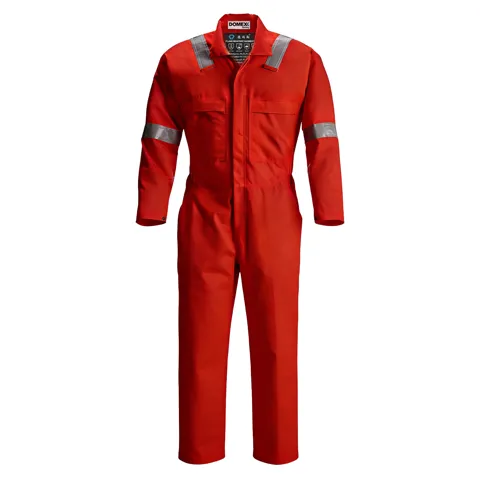
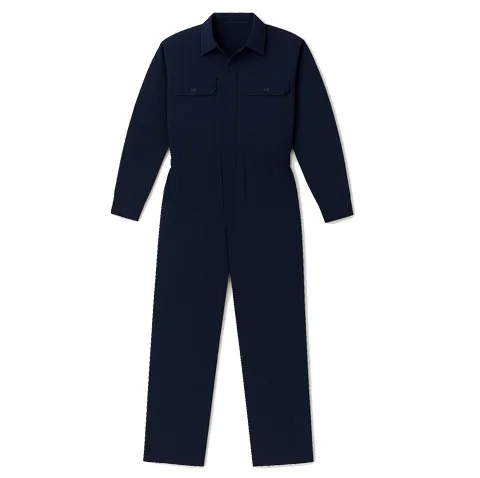
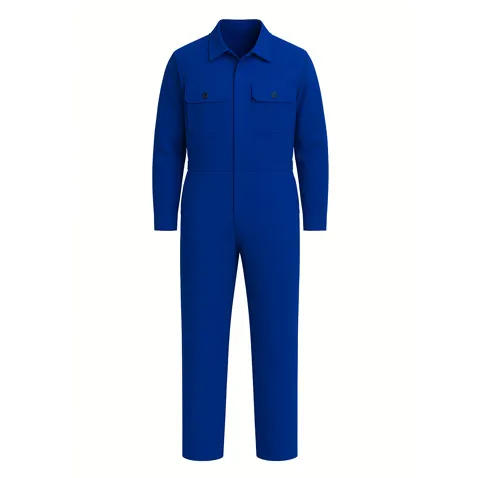
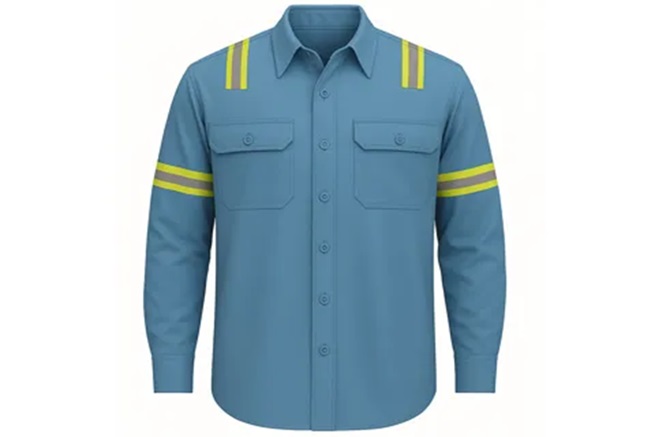
English
In industries where flammable gases, vapors, or dust are present, even a small electrostatic discharge can trigger serious accidents. Static electricity is often invisible, but in hazardous environments, it can become a major ignition source.
To reduce this risk, protective clothing must meet specific standards. One of the most widely used standards is EN 1149-5, which defines requirements for anti-static workwear used in explosive atmospheres.
EN 1149-5 is a European standard that specifies performance requirements for protective clothing designed to dissipate electrostatic charges.
Garments that meet this standard help:
Prevent static charge buildup
Reduce the risk of sparks caused by electrostatic discharge
lImprove safety in explosive or flammable environments
This standard is commonly used alongside flame-resistant clothing in multi-hazard workplaces.
Anti-static garments are engineered with conductive or dissipative fibers woven into the fabric. These fibers allow static electricity to safely discharge rather than accumulate on the surface.
Key protective functions include:
Controlling electrostatic charge buildup
Reducing spark generation
Supporting safe grounding of the wearer
This is especially important in environments where ignition risks must be minimized.
EN 1149-5 works together with other test methods in the EN 1149 series. These tests evaluate how fabrics behave in terms of electrostatic properties.
Common references include:
EN 1149-1 – Surface resistivity
EN 1149-3 – Charge decay performance
EN 1149-5 – Garment performance requirements
Together, these standards ensure that anti-static clothing performs reliably in hazardous environments.
Anti-static clothing is essential in industries where explosive atmospheres may occur.
Typical applications include:
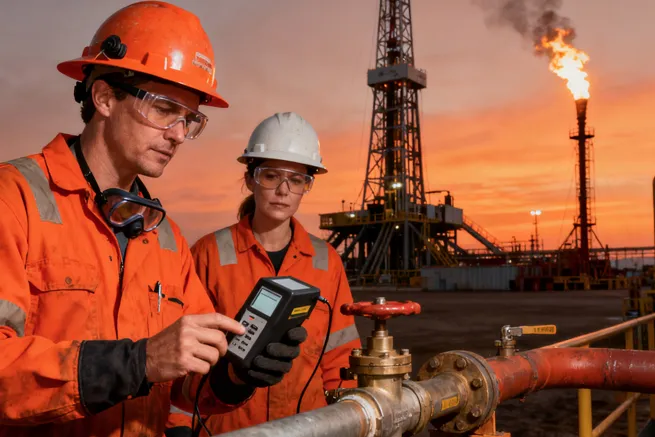
Oil & gas exploration and refining
Petrochemical and chemical processing
Fuel storage and transportation
Pharmaceutical and dust-sensitive production
Industrial environments with flammable vapors
In these sectors, anti-static workwear is often combined with flame-resistant and arc-rated protection.
When selecting protective garments for hazardous areas, several features should be considered:
Integrated anti-static fibers for consistent performance
Durable construction for industrial use
Breathable fabric to improve comfort
Compatibility with other PPE (such as FR and arc-rated clothing)
Well-designed garments provide both safety and practicality in demanding environments.
To maintain anti-static performance:
Wash garments according to instructions
Avoid fabric softeners that may affect conductivity
Keep garments clean to prevent contamination
Inspect regularly for wear or damage
Proper care helps ensure that the protective function remains effective.
EN 1149-5 plays a critical role in protecting workers in environments where static electricity can create serious hazards. By choosing certified anti-static workwear, companies can reduce ignition risks and improve overall workplace safety.
In many industries, combining anti-static protection with flame resistance and arc protection provides a complete solution for multi-hazard environments.