English
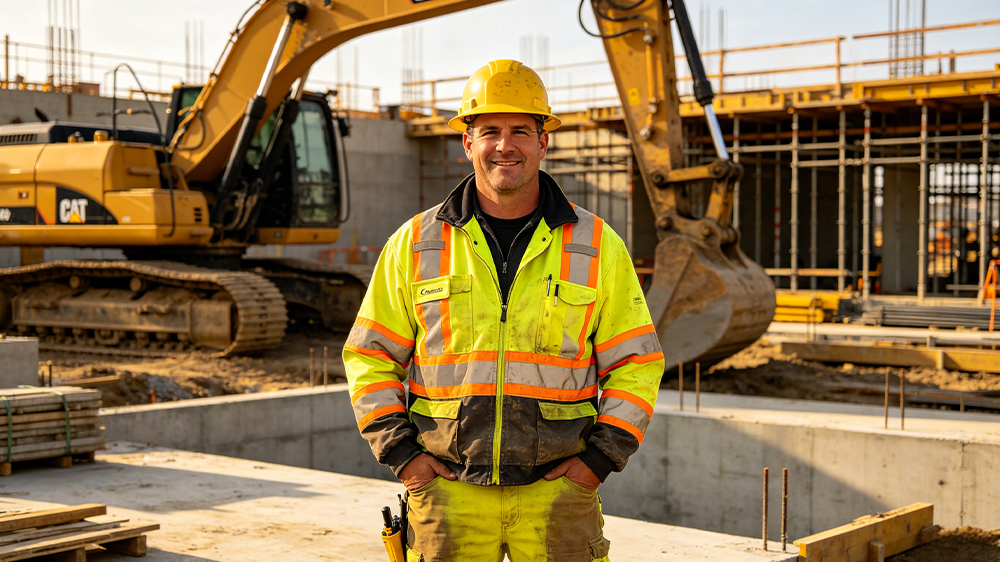
Construction sites are busy environments where workers, vehicles, machinery, and materials are constantly moving. In these conditions, visibility is not a small detail. It is one of the basic factors that helps prevent accidents.
High visibility workwear helps workers remain easy to identify during daytime, low-light, rainy, dusty, or night-time operations. For construction companies, choosing the right garments is not only about meeting safety rules, but also about improving daily site management and worker protection.
This guide explains the main risks on construction sites, key high visibility clothing standards, essential garment requirements, and practical style recommendations for different weather conditions.
Construction sites often involve trucks, excavators, cranes, forklifts, and loaders. These machines create blind spots, especially when reversing or operating in narrow areas.
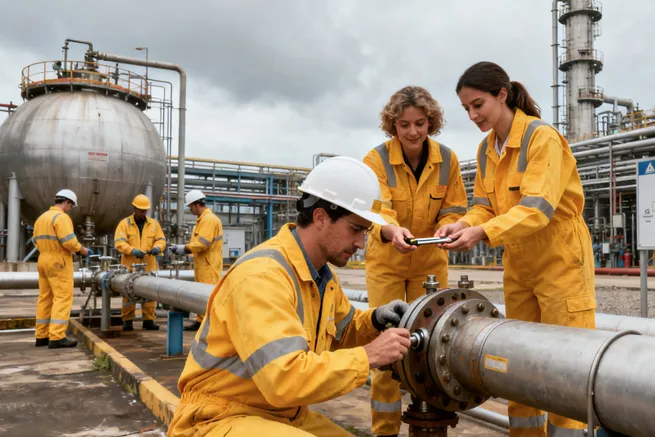
High visibility clothing makes workers easier to see from different angles, helping drivers and equipment operators identify people more quickly.
Early morning work, evening shifts, cloudy weather, dust, fog, or rain can all reduce visibility. In these conditions, fluorescent background fabric and reflective tape work together to improve worker recognition.
Uneven ground, debris, scaffolding, and temporary structures increase the risk of trips and falls. When an accident occurs, visible clothing can help supervisors and emergency teams locate workers faster.
Construction workers often face sunlight, wind, dust, and rain for long periods. Good workwear should provide visibility while also supporting comfort, breathability, and durability.
High visibility garments used on construction sites should comply with recognized safety standards according to the target market and project requirements.
ANSI/ISEA 107 for North America
EN ISO 20471 for Europe and many international projects
These standards classify garments based on the amount of fluorescent material, reflective tape coverage, and visibility performance.
Class 2 high visibility workwear is commonly used for general construction, groundwork, site supervision, and traffic control in moderate-risk areas.
Class 3 garments provide higher visibility coverage and are generally used for road construction, night work, crane operations, and high-risk environments where workers need full-body visibility.
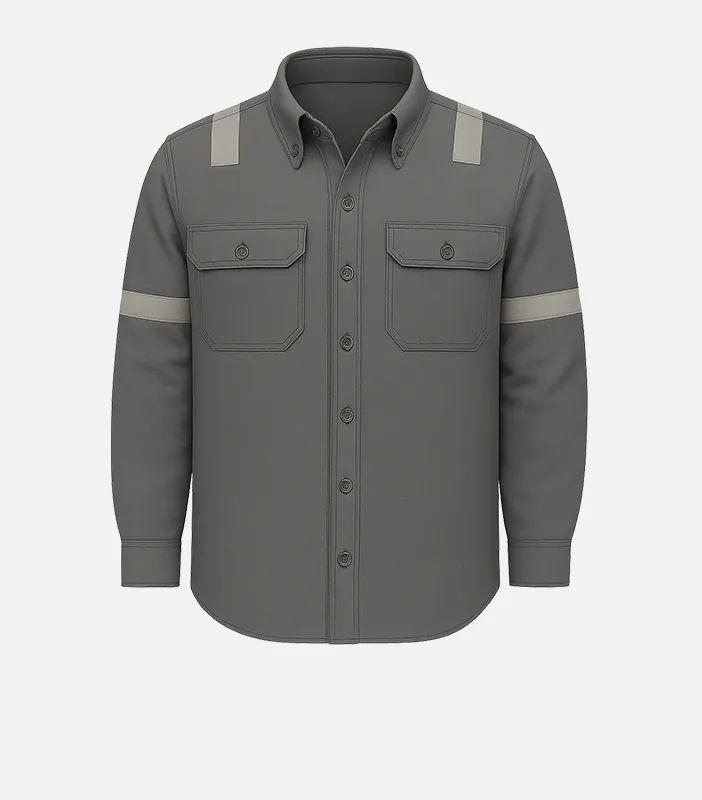
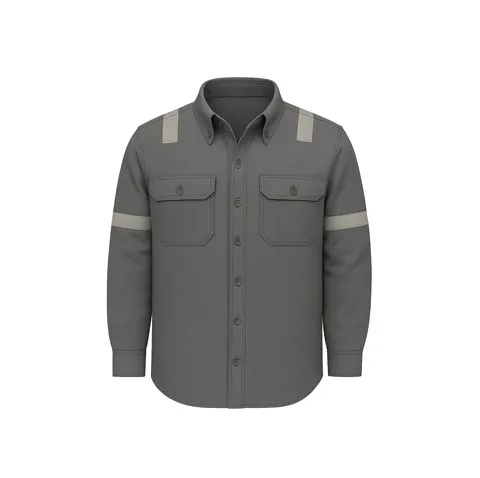
Fluorescent yellow and orange are widely used on construction sites because they stand out against most industrial backgrounds. Dark colors such as black, navy, or gray should not be used as the main visibility color in high-risk areas.
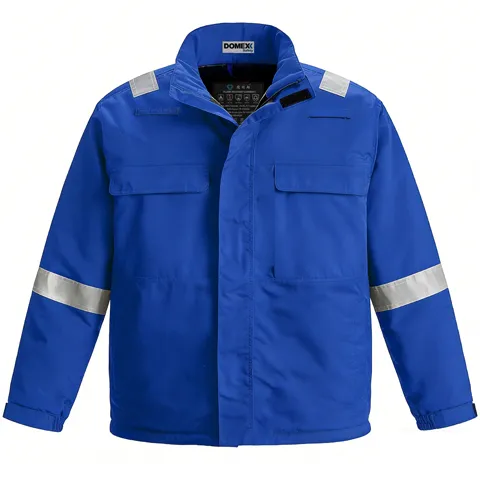
Reflective tape should be positioned to make the worker visible from the front, back, and sides. Common placement areas include:
Around the torso
Across the shoulders
On sleeves
On trouser legs for full-body visibility
The tape should also remain effective after repeated washing and daily site use.
In many construction environments, long sleeves, full-length trousers, coveralls, or jackets are preferred because they provide better coverage against dust, sun exposure, abrasion, and minor splashes.
Hard hats may also use reflective strips or high visibility covers for better recognition in low-light areas.
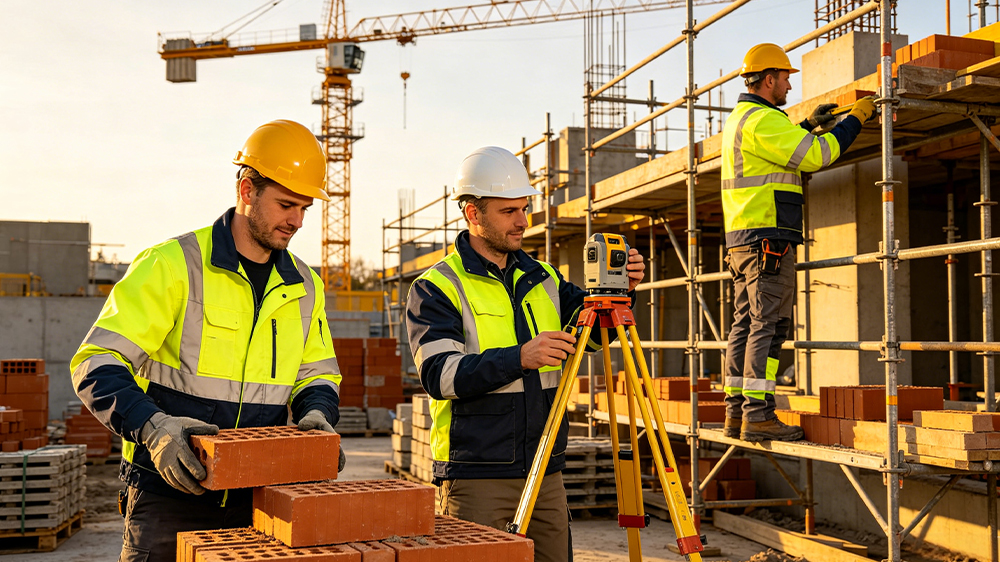
For hot and humid weather, lightweight high visibility shirts and trousers are more practical. Breathable fabrics, moisture management, mesh panels, and ventilation openings can help reduce heat stress.
Suitable for:
General labor
Masonry work
Outdoor groundwork
Site inspection
For mild weather, a two-piece jacket and trouser set or lightweight coverall is often suitable. Polyester-cotton blends or durable twill fabrics can provide a balance of comfort, wind resistance, and wear durability.
Suitable for:
Scaffolding work
Crane operation
Equipment maintenance
All-day site work
Cold conditions require insulated high visibility jackets and trousers. A windproof and water-resistant outer shell, combined with a warm lining, can help workers stay comfortable during early morning or outdoor winter work.
Suitable for:
Cold-region construction
Winter maintenance
Road repair
Long outdoor shifts
For rainy job sites, waterproof high visibility rainwear should be worn over suitable base layers. Sealed seams, adjustable hoods, elastic waistbands, and reflective tape help maintain both protection and visibility.
Suitable for:
Rainy-day construction
Outdoor concrete work
Emergency repair tasks
Wet site inspections
When selecting construction site safety clothing, buyers should consider both compliance and real working conditions.
Important factors include:
Certified high visibility performance
Durable fluorescent fabric
High-quality reflective tape
Breathable and comfortable materials
Reinforced seams in high-wear areas
Full size range for different body types
Suitable design for local climate and job tasks
For large projects, sample testing before bulk orders is recommended. This helps confirm fit, comfort, tape quality, washing performance, and garment durability.
High visibility workwear plays an important role in construction site safety. The right garments help workers remain visible around vehicles, machinery, low-light areas, and changing weather conditions.
By following standards such as ANSI/ISEA 107 and EN ISO 20471, and by selecting breathable, durable, and season-appropriate garments, construction companies can improve worker safety and support smoother daily operations.
DOMEX focuses on the design and innovation of specialized protective apparel, with deep expertise in core safety technologies such as flame resistance and anti-static protection. We provide safe and reliable professional protective solutions for the industrial, electrical, oil, and chemical sectors, and are committed to becoming a globally trusted protective brand.