English
When selecting arc-rated clothing, one of the most important factors to understand is the arc rating. However, many users are confused by two key terms: ATPV and EBT.
These values are essential for determining how well protective clothing performs during an arc flash event. Understanding them helps ensure workers are equipped with the right level of protection.
ATPV (Arc Thermal Performance Value) and EBT (Energy Breakopen Threshold) are measurements used to define the arc rating of protective fabrics.
ATPV → Indicates the energy level at which a second-degree burn may occur
EBT → Indicates the energy level at which the fabric breaks open
The lower of the two values is used as the garment’s arc rating.
ATPV measures how much thermal energy a fabric can withstand before causing a second-degree burn.
Key points:
Measured in cal/cm²
Represents heat transfer through the fabric
Higher ATPV = better protection
Commonly used in arc-rated clothing selection
ATPV is often the most referenced value in electrical safety programs.
EBT measures the point at which the fabric physically breaks open during arc exposure.
Key points:
Indicates structural failure of the fabric
Occurs before burn threshold in some materials
Critical for garments where fabric integrity is a concern
In certain cases, EBT becomes the limiting factor for protection.
Factor | ATPV | EBT |
Measures | Heat transfer | Fabric breakage |
Focus | Burn protection | Structural integrity |
Application | Most common rating | Used when fabric fails first |
Result | Determines protection level | May limit rating |
Final arc rating = lower value between ATPV and EBT
Arc flash incidents release extreme thermal energy in a very short time. Choosing clothing without understanding arc ratings can lead to insufficient protection.
ATPV and EBT help:
Match PPE to hazard levels
Reduce burn injury risk
Improve safety compliance
Support correct PPE selection
When selecting arc-rated clothing:
Compare the arc rating (cal/cm²) with the hazard level
Ensure the garment meets required safety standards
Consider multi-layer systems for higher protection
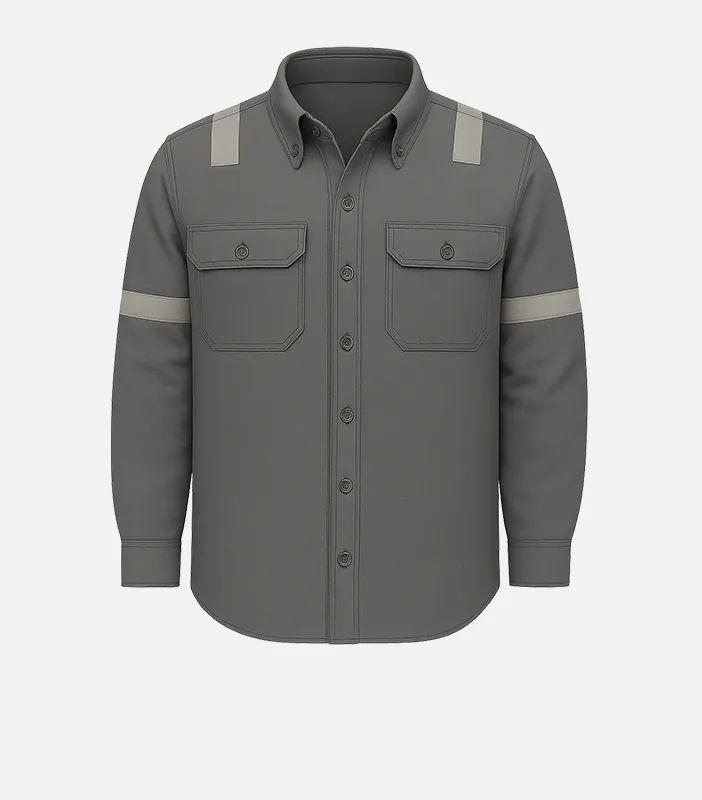
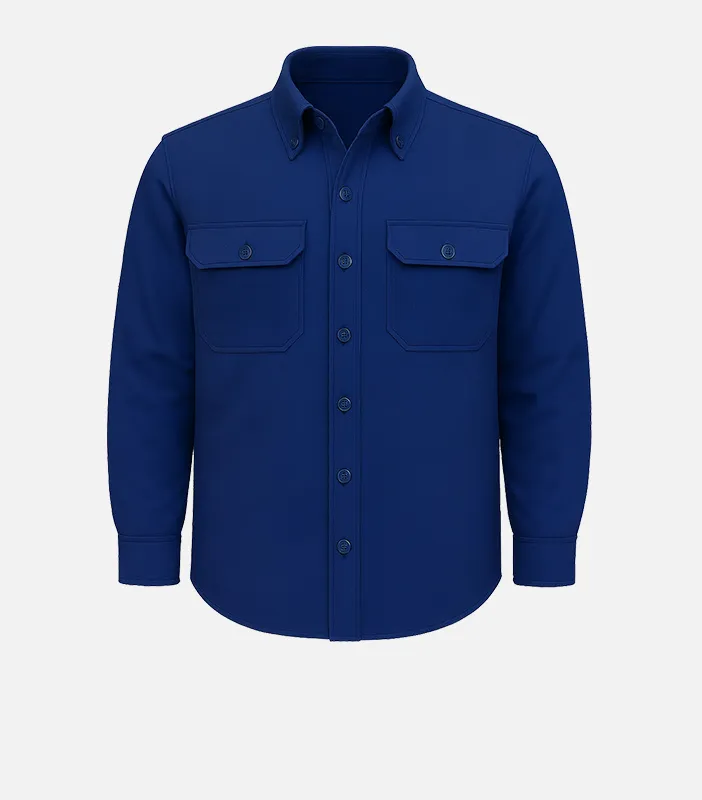
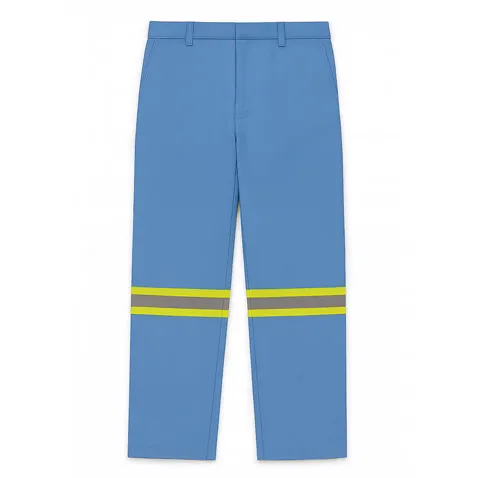
Arc-rated garments include:
Shirts and pants
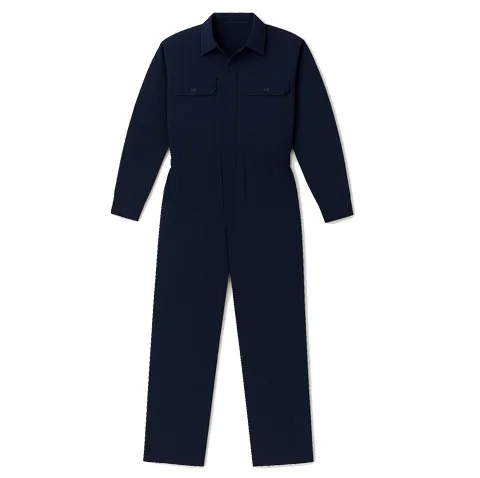
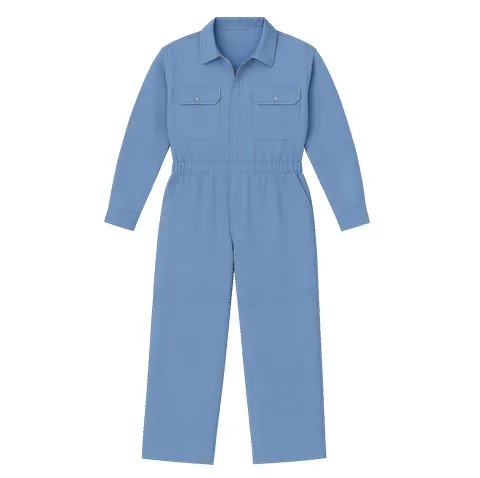
FR coveralls
Arc flash jackets
Multi-hazard workwear
ATPV and EBT are critical in industries such as:
Electrical utilities
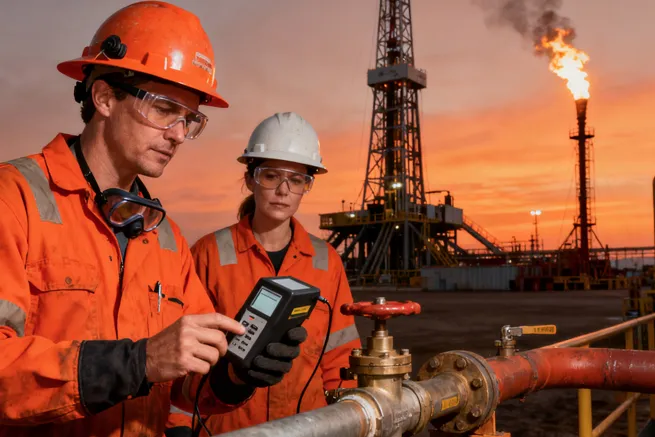
Oil & gas operations
Industrial maintenance
Manufacturing with energized systems
In these environments, proper PPE selection is essential.
To ensure reliable protection:
Follow recommended washing procedures
Avoid harsh chemicals
Inspect garments regularly
Replace damaged clothing
Proper care helps maintain fabric performance over time.
ATPV and EBT are key indicators of how arc-rated clothing performs under extreme conditions. By understanding these values, companies can select protective garments that provide the right level of safety for electrical work.
Choosing the correct arc rating is not just a technical detail—it is a critical step in protecting workers from serious hazards.