English
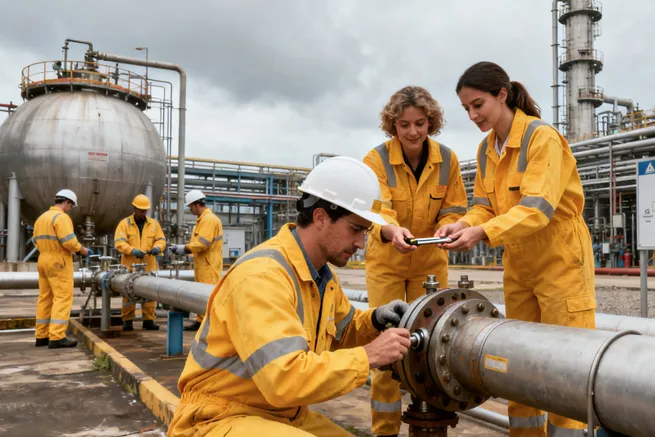
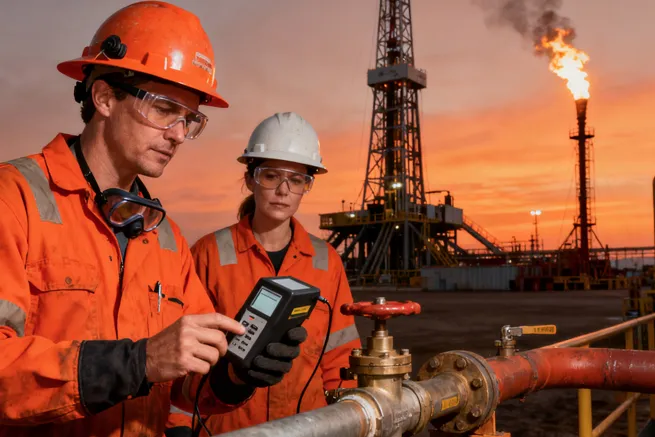
In industries such as oil & gas, petrochemical processing, and heavy manufacturing, workers face the risk of sudden flash fires caused by flammable gases or liquids. These incidents can produce intense heat within seconds and cause severe burn injuries.
To reduce these risks, many companies require flame-resistant (FR) workwear certified under the NFPA 2112 standard. This internationally recognized standard ensures that protective garments provide reliable protection against flash fire hazards in industrial environments.
NFPA 2112 is a safety standard developed by the National Fire Protection Association (NFPA). It specifies the minimum requirements for flame-resistant garments designed to protect workers from industrial flash fire hazards.
FR garments certified to NFPA 2112 undergo rigorous testing to ensure they:
Resist ignition when exposed to flames
Self-extinguish quickly once the flame source is removed
Limit heat transfer to the wearer
Maintain protective performance during use
Because of these strict testing requirements, NFPA 2112 is widely recognized as a benchmark for high-quality FR clothing.
To achieve NFPA 2112 certification, fabrics and garments must pass several performance tests designed to simulate real industrial hazards.
1.FLAME RESISTANCE TEST
The fabric must demonstrate limited flame spread and self-extinguishing performance when exposed to an open flame.
2.THERMAL PROTECTIVE PERFORMANCE (TPP)
The TPP test measures how well a fabric protects the wearer from thermal energy during a flash fire event. Higher TPP values indicate better protection.
3.HEAT RESISTANCE TEST
This test ensures the fabric can withstand high temperatures without melting, dripping, or shrinking excessively.
4.MANIKIN FLASH FIRE TEST
A full garment is tested on an instrumented manikin exposed to simulated flash fire conditions. The test evaluates how effectively the clothing protects the body from burn injuries.
Many types of protective garments can be certified under NFPA 2112 depending on the working environment.
Common examples include:
FR Coveralls – Full-body protection for oil and gas operations
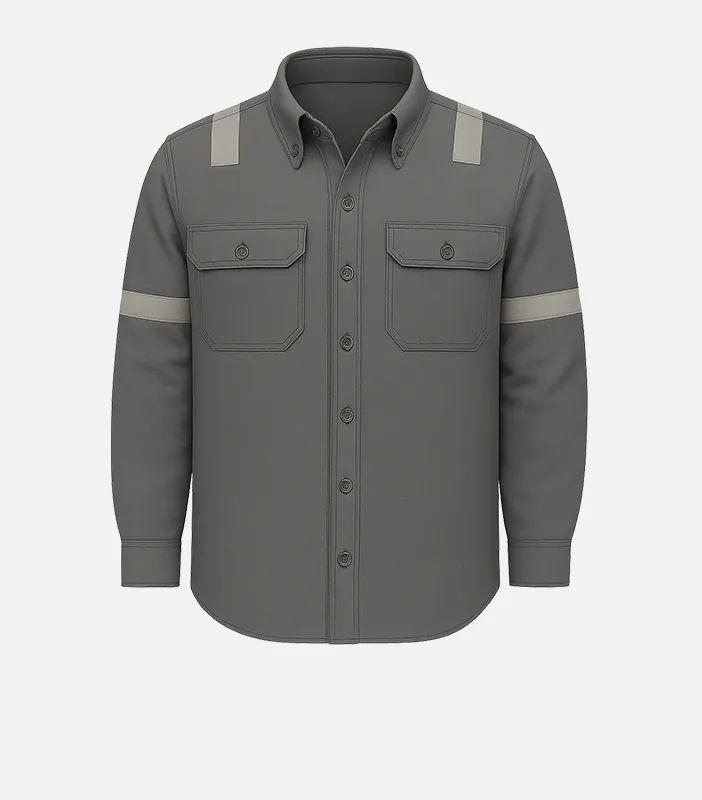
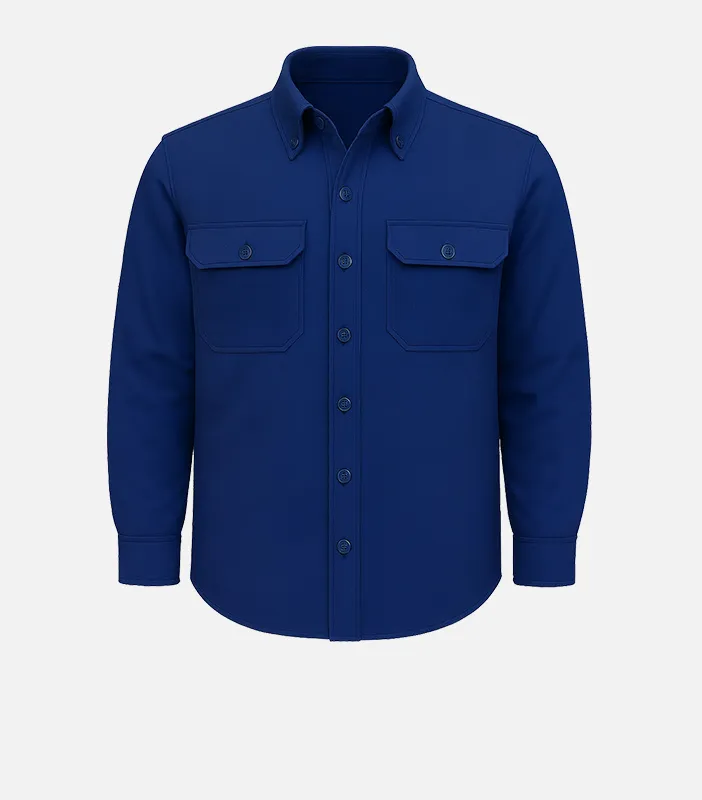
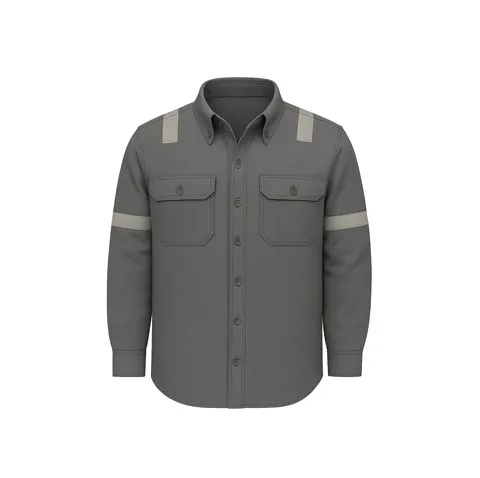
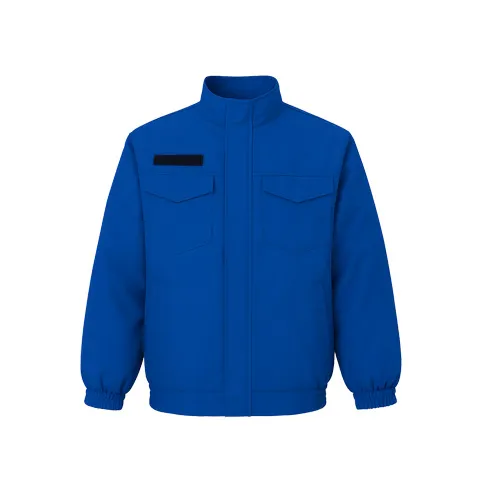
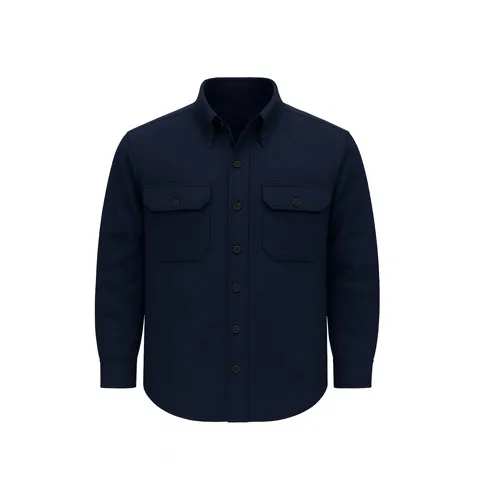
FR Jackets – Durable protection for outdoor industrial work
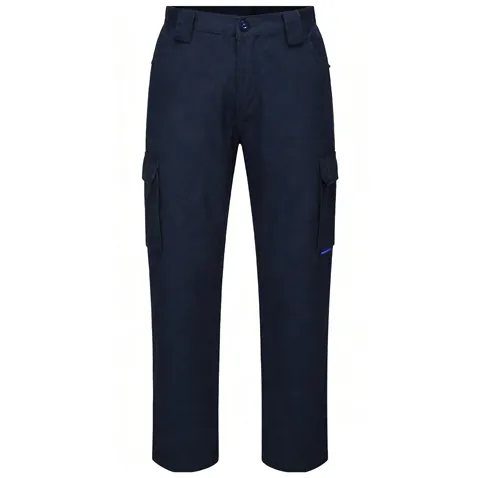
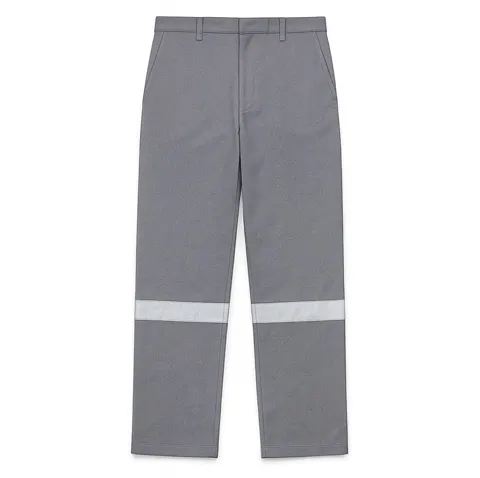
FR Pants – Comfortable protection for daily tasks
Multi-hazard workwear combining flame resistance and anti-static protection
These garments are commonly used in industries where flash fire hazards are present.
NFPA 2112 certified FR clothing is widely used across industries that handle flammable materials.
Typical sectors include:
Oil & Gas exploration and refining
Petrochemical processing plants
Chemical manufacturing facilitie
Fuel storage and transportation
Industrial maintenance operations
In these environments, FR workwear plays a critical role in reducing burn injuries during flash fire incidents.
Proper care is essential to maintain the protective performance of FR clothing.
Recommended practices include:
Follow manufacturer washing instructions
Avoid chlorine bleach or fabric softeners
Wash FR garments separately from contaminated clothing
Regularly inspect garments for wear or damage
Proper maintenance helps ensure the garment continues to provide reliable protection throughout its lifespan.
NFPA 2112 certified flame-resistant clothing is a key component of workplace safety in industries exposed to flash fire hazards. By selecting certified FR garments that meet this standard, companies can reduce burn injuries, improve safety compliance, and protect workers in high-risk environments.
Investing in high-quality flame-resistant workwear is an important step toward building a safer industrial workplace.