English
Welding environments expose workers to sparks, molten metal, and high temperatures. Without proper protection, these hazards can cause serious injuries.
To ensure safety, protective clothing used in welding must meet specific standards. One of the most important is EN ISO 11611, which defines requirements for welding protective workwear.
EN ISO 11611 is an international standard that specifies requirements for protective clothing used during welding and related processes.
It ensures that garments:
Protect against small molten metal splashes
Reduce the risk of ignition
Provide limited protection against heat exposure
Minimize electrical hazard risks
It is widely used in welding, fabrication, and metalworking industries.
Welding operations involve several types of risks.
This standard focuses on:
Sparks and spatter from welding processes
Short-term flame exposure
Radiant heat from welding arcs
Limited electrical contact risks
It is designed for typical welding conditions, not extreme fire exposure.
The standard divides garments into two classes based on risk level.
CLASS 1 – LOWER RISK
Suitable for less hazardous welding techniques
Lower levels of spatter and heat
Used in light fabrication work
CLASS 2 – HIGHER RISK
Designed for more hazardous welding environments
Higher exposure to heat and molten metal
Suitable for heavy industrial welding
Class 2 provides a higher level of protection.
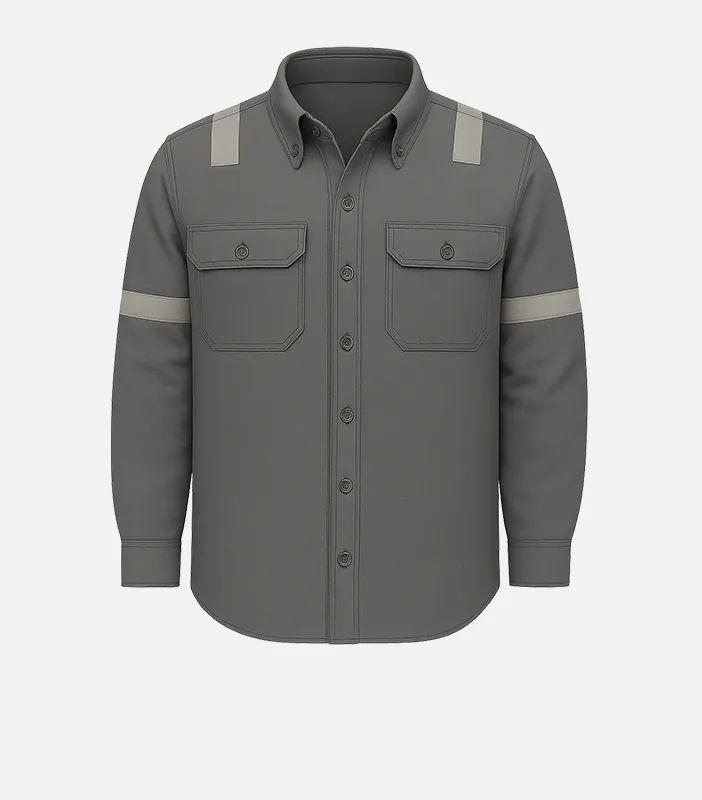
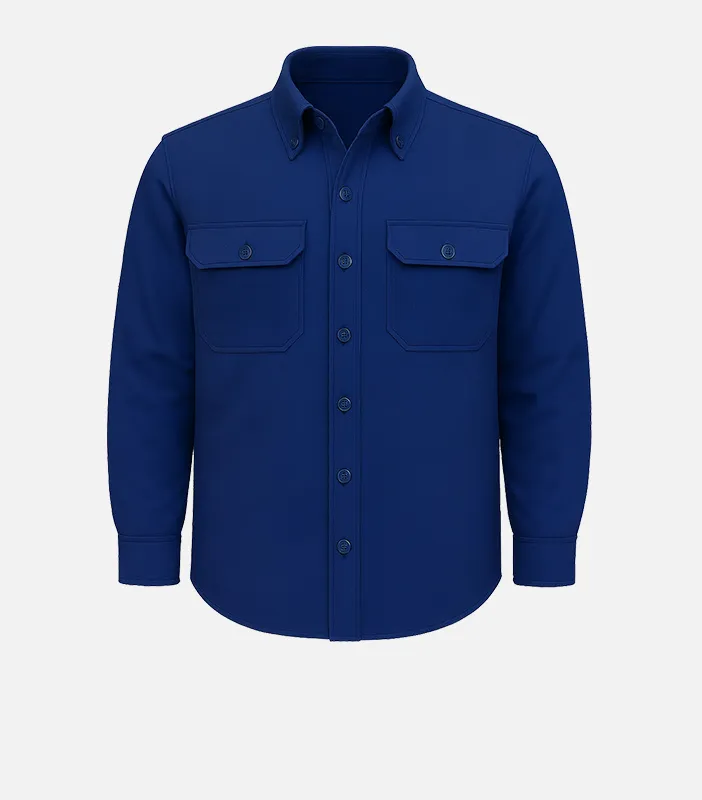
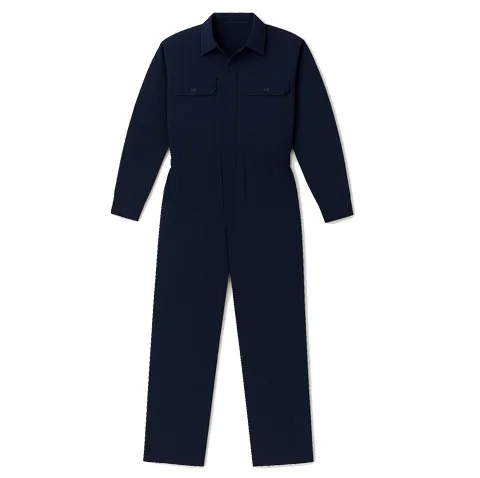
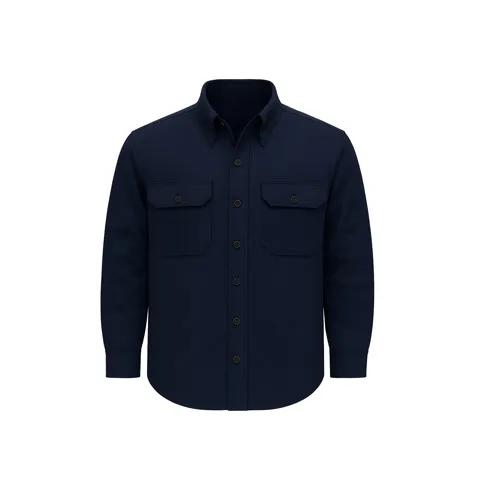
Garments designed to meet EN ISO 11611 include:
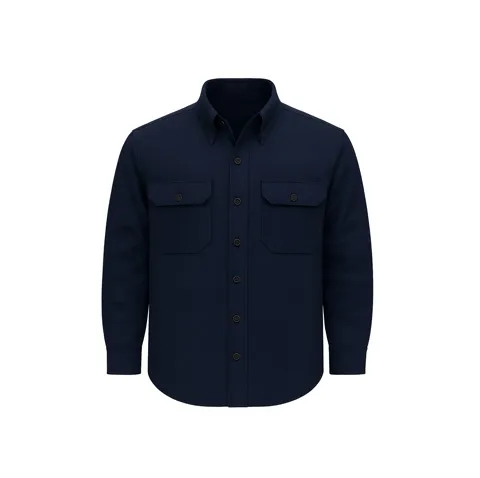
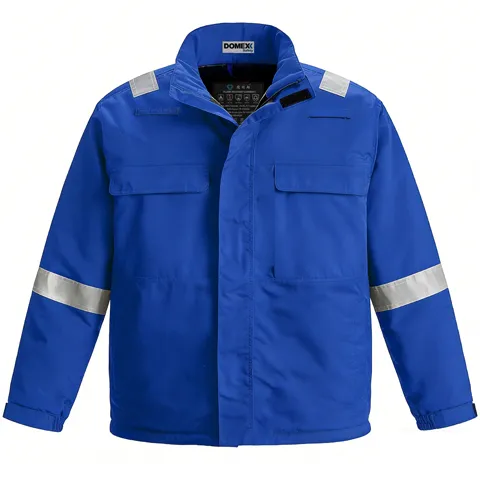
Welding jackets
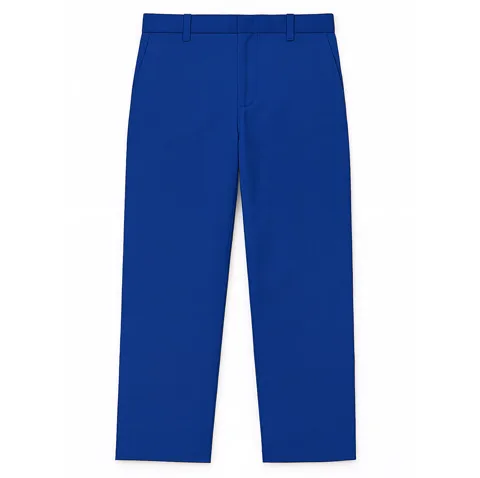
Welding pants
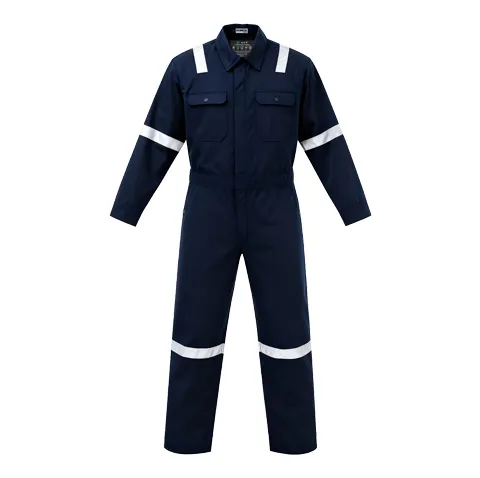
Welding coveralls
Protective aprons and sleeves
These garments are designed to provide both protection and mobility.
High-quality welding protective clothing should include:
Flame-resistant fabrics
Durable construction for harsh environments
Secure closures to prevent spark entry
Comfortable fit for extended wear
Good design improves both safety and usability.
These two standards are often confused but serve different purposes.
EN ISO 11611
Focuses on welding hazards
Protects against sparks and spatter
EN ISO 11612
Covers broader heat and flame protection
Used in general industrial environments
Many garments may comply with both standards.
Welding protective clothing is used in:
Metal fabrication
Shipbuilding
Construction and infrastructure
Automotive manufacturing
Heavy industry
In these environments, proper PPE is essential.
To maintain performance:
Clean garments regularly
Avoid contamination with flammable substances
Inspect for damage or wear
Replace garments when necessary
Proper care ensures consistent protection.
EN ISO 11611 plays a key role in protecting workers during welding operations. By selecting certified protective clothing, companies can reduce risks associated with sparks, heat, and molten metal.
Choosing the right welding workwear improves both safety and productivity.