English
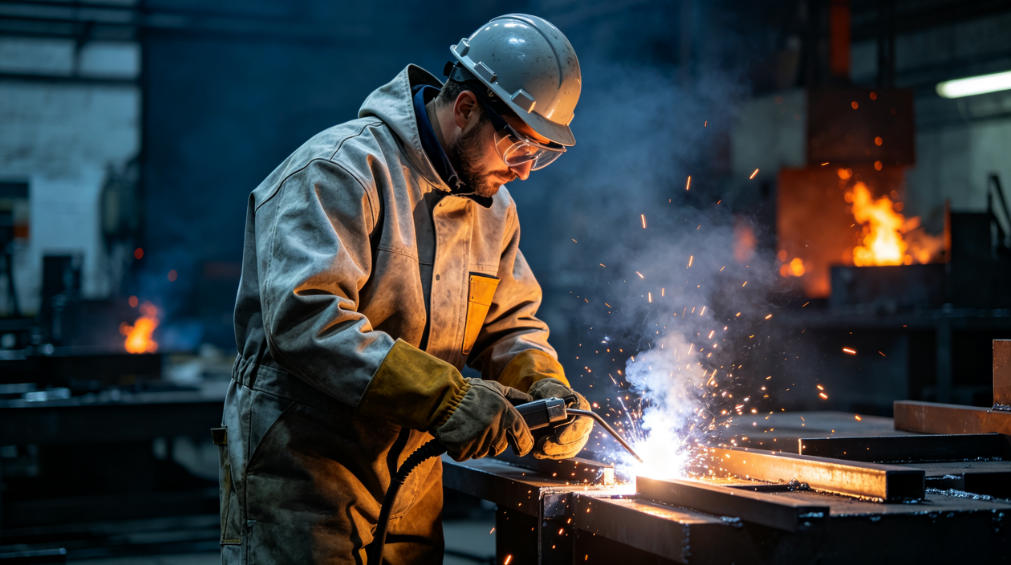
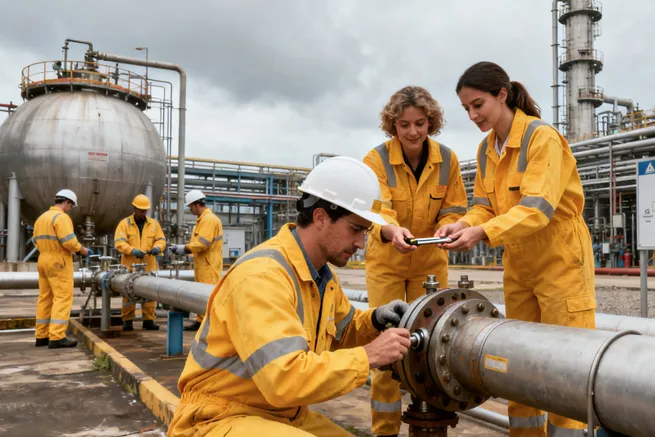
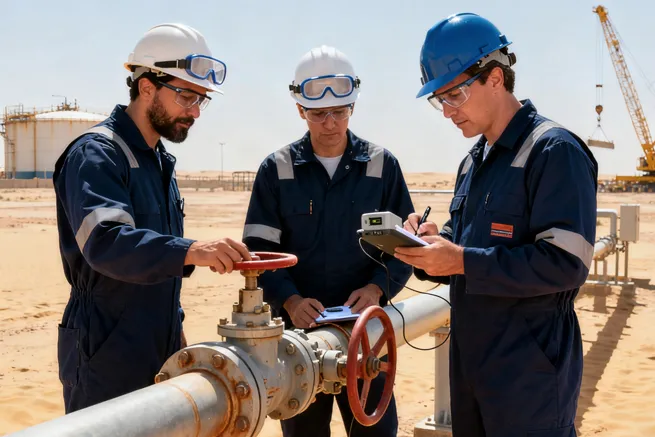
Workers in industries such as oil and gas, welding, metal processing, and manufacturing may face different forms of heat and flame hazards.
EN ISO 11612 is one of the most widely used international standards for protective clothing against heat and flame. It helps companies evaluate whether workwear provides suitable protection for specific industrial environments.
Understanding this standard allows buyers to select protective clothing based on actual workplace risks rather than simply choosing a certified product.
EN ISO 11612 specifies requirements for garments designed to protect workers against heat and flame.
The standard evaluates protection against different thermal hazards, including:
● Limited flame spread
● Convective heat
● Radiant heat
● Molten metal splash
Different applications require different protection levels.
Not every worker requires the same level of protection.
For example:
● General industrial work may require basic flame protection
● Welding operations may require additional heat resistance
● Metal processing may require molten splash protection
The correct selection depends on the workplace risk assessment.
Common fabric choices include:
Provides comfort and breathability for general applications.
Offer a balance between protection, durability, and cost.
Used where higher thermal performance is required.
The best fabric depends on hazard level, climate, and working conditions.
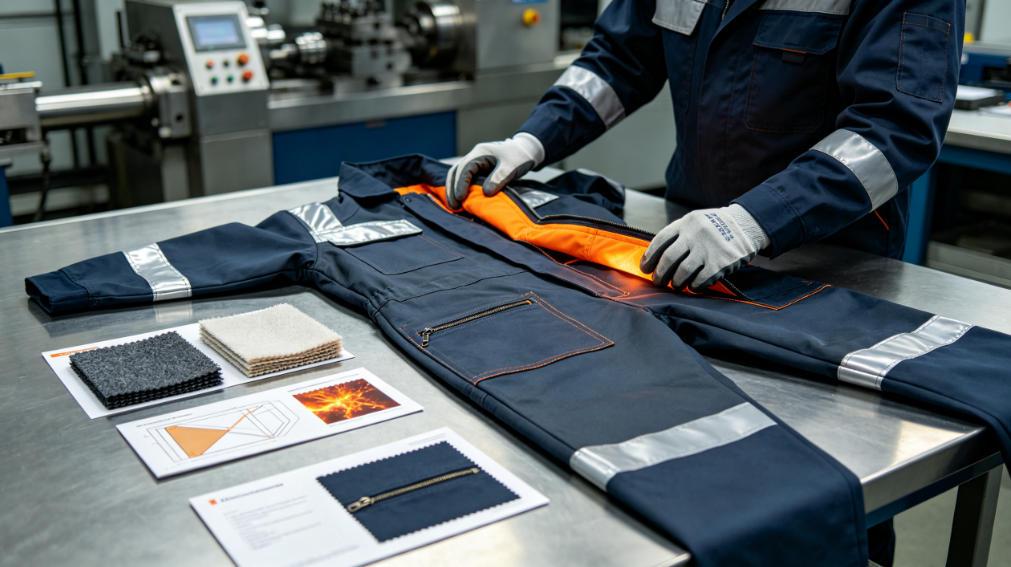
A certified fabric alone does not guarantee effective protection.
Important design factors include:
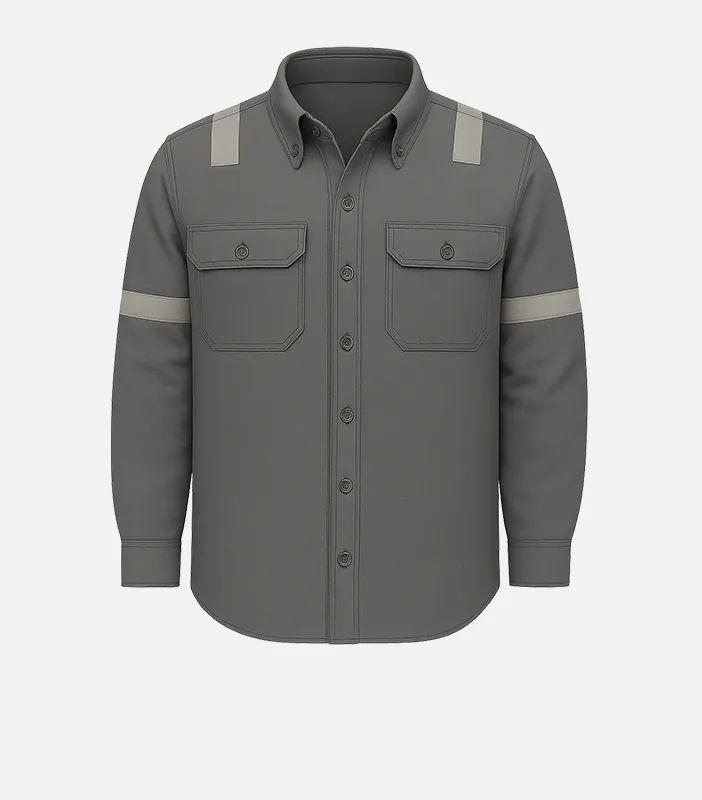
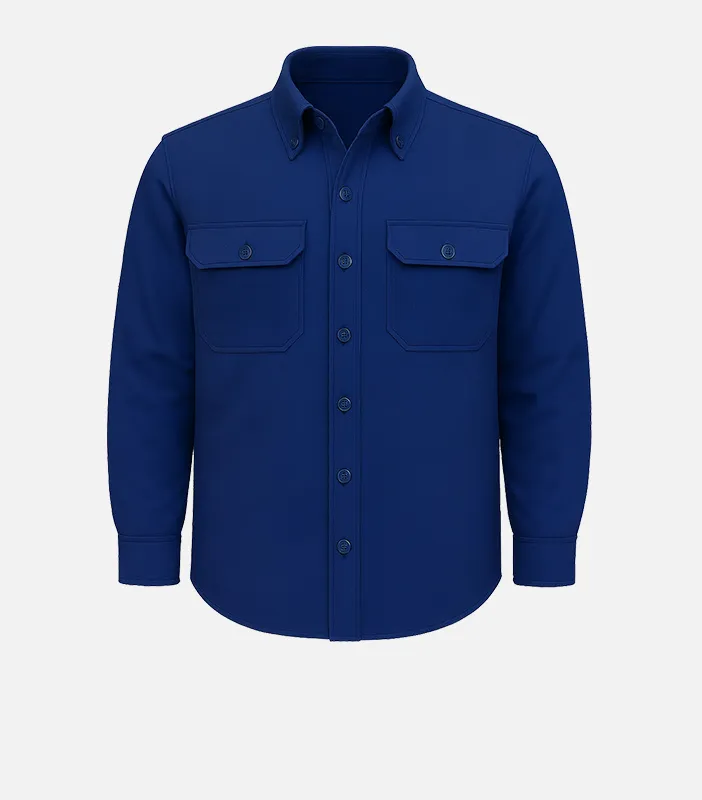
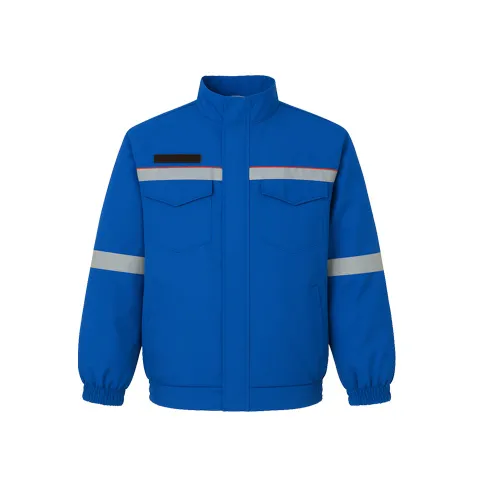
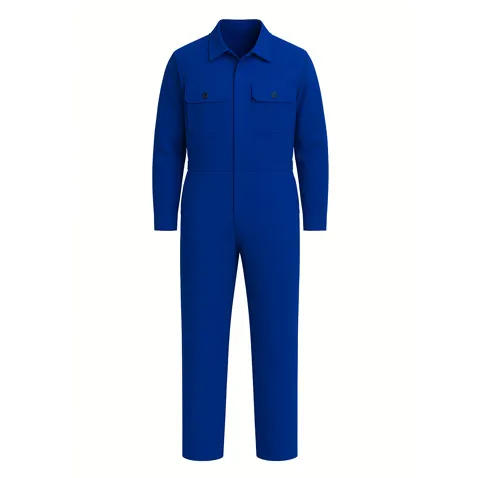
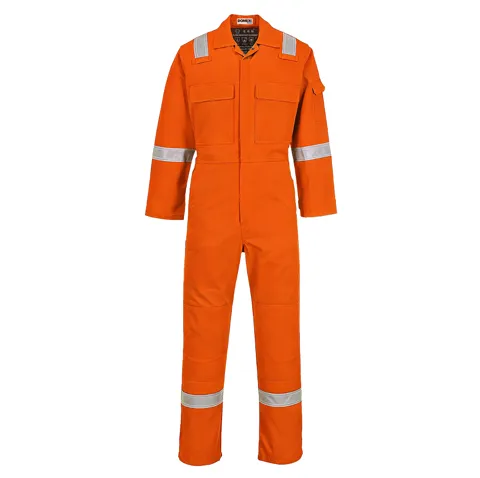
● Full body coverage
● Secure closures
● Reinforced seams
● Compatible accessories
These details influence real-world performance.
EN ISO 11612 is an important reference standard for heat and flame protective clothing worldwide.
When selecting protective workwear, companies should consider both certification and practical working conditions to ensure the best balance between safety, comfort, and durability.
DOMEX focuses on the design and innovation of specialized protective apparel, with deep expertise in core safety technologies such as flame resistance and anti-static protection. We provide safe and reliable professional protective solutions for the industrial, electrical, oil, and chemical sectors, and are committed to becoming a globally trusted protective brand.