English
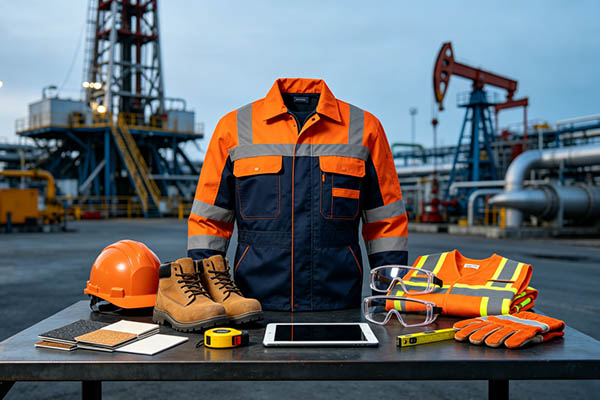
For oil and gas companies, selecting the right workwear is not simply a purchasing decision. Protective clothing is part of the overall safety system that helps reduce the consequences of flash fire, heat exposure, and other workplace hazards.
Many procurement teams focus mainly on unit price when sourcing flame resistant (FR) workwear. However, the lowest initial cost does not always mean the lowest long-term cost. Fabric performance, certification compliance, garment durability, worker comfort, and supplier capability all directly affect the final value of the purchase.
This guide explains the key factors that oil and gas companies should consider when selecting an FR workwear supplier for industrial projects.
Oil and gas environments include multiple hazards that require reliable protective clothing.
Typical working conditions include:
Oil and gas drilling operations
Refineries and petrochemical plants
Pipeline maintenance
Storage terminals
Offshore platforms
Chemical processing facilities
The main risks include:
A sudden ignition of flammable gas, vapor, or liquid can expose workers to extreme heat within seconds. FR garments are designed to limit flame spread, reduce heat transfer, and provide additional protection during short-duration thermal exposure.
Some oil and gas facilities also involve electrical maintenance activities.
For these applications, companies may require garments that combine:
Flame resistance
Arc-rated protection
Anti-static performance
The required protection level depends on the specific job risk assessment.
Certain operations involve contact with chemicals, fuels, or hazardous substances.
In these situations, FR workwear may need additional properties such as:
Chemical splash resistance
Anti-static capability
Compatible layering systems
One of the most common mistakes in PPE procurement is selecting products based only on a supplier statement such as “FR fabric” or “fire resistant material”. Professional buyers should confirm the actual standards required for their project.
Common international standards include:
Used mainly in North America and many international oil & gas projects.
It evaluates protective clothing performance against industrial flash fire exposure.
Key considerations include:
Fabric performance
Garment construction
Heat protection capability
Full garment testing
Widely used in Europe, Middle East, and international projects.
It covers protection against:
Limited flame spread
Convective heat
Radiant heat
Molten metal splash
For garments requiring electrostatic control.
This is particularly important in environments containing:
Flammable gases
Fuel vapors
Combustible dust
For electrical workers exposed to arc flash risks.
These standards focus on arc-rated protective clothing performance.
There is no single “best” FR fabric for every project.
The correct choice depends on:
Hazard level
Climate
Washing frequency
Budget
Required service life
Advantages:
Soft and comfortable
Good breathability
Competitive cost
Suitable for:
General industrial applications
Large workforce projects
Moderate risk environments
Consideration:
FR performance depends on proper manufacturing and maintenance procedures.
Common combinations include:
Cotton/polyester FR blends
Modacrylic blends
Aramid blends
Advantages:
Better durability
Balanced protection and comfort
Suitable for daily industrial use
This is one of the most commonly selected solutions for oil and gas workwear programs.
Examples:
Meta-aramid
Para-aramid
Modacrylic-based fabrics
Advantages:
Permanent flame resistance
Excellent durability
Suitable for higher-risk applications
Consideration:
Higher performance usually comes with higher material cost.
A certified fabric does not automatically guarantee a good protective garment.
During procurement, buyers should also review:
Recommended features:
Long sleeves
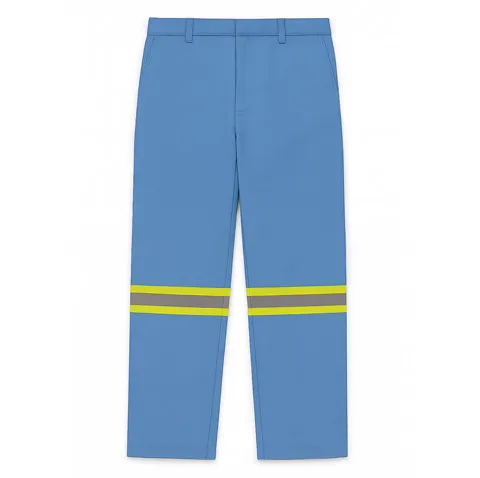
Full-length trousers
Adjustable cuffs
Protective collar design
These details reduce exposed skin areas.
Oil and gas workers often perform physically demanding tasks.
Important details include:
Reinforced stress points
Strong stitching
Durable closures
Quality zippers and accessories
Depending on the job:
Tool pockets
Radio loops
Knee reinforcement
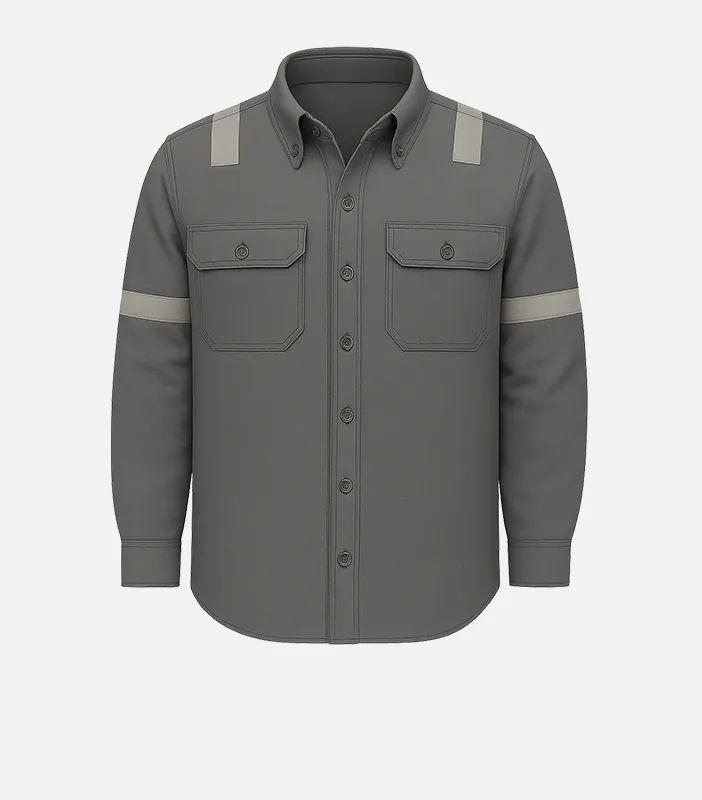
Reflective strips
Ventilation design
can improve daily usability.
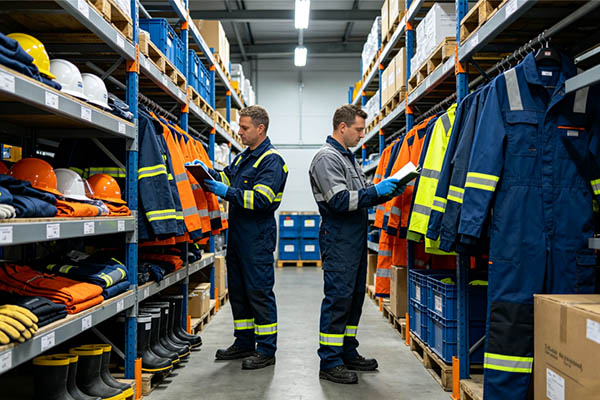
Many oil and gas projects are located in hot regions such as the Middle East. A common procurement mistake is selecting heavy fabrics without considering the working climate.
Poor comfort can lead to:
Reduced productivity
Worker fatigue
Incorrect use of PPE
For hot environments, buyers should consider:
Lightweight FR fabrics
Moisture management
Breathable structures
Suitable garment fitting
The best protective clothing is the one workers can actually wear correctly throughout the entire shift.
Choosing the right manufacturer is as important as choosing the right fabric.
Before cooperation, buyers should check:
Ask about:
Production capacity
Quality control process
Experience with industrial PPE projects
Export experience
A reliable supplier should provide:
Valid test reports
Certification documents
Fabric information
Production traceability
Avoid suppliers who provide only marketing documents without technical evidence.
Before large orders:
Test samples
Confirm specifications
Review construction details
The final bulk production should match the approved sample.
A lower purchase price may increase replacement costs if garments have poor durability.
Different countries and projects may require different compliance systems. Always confirm requirements before production.
Heavy fabric does not always mean better protection. The correct balance between protection, comfort, and durability is more important.
For long-term projects, suppliers should support:
Repeat orders
Consistent fabric supply
Size availability
Custom requirements
DOMEX Safety specializes in industrial protective clothing solutions, including:
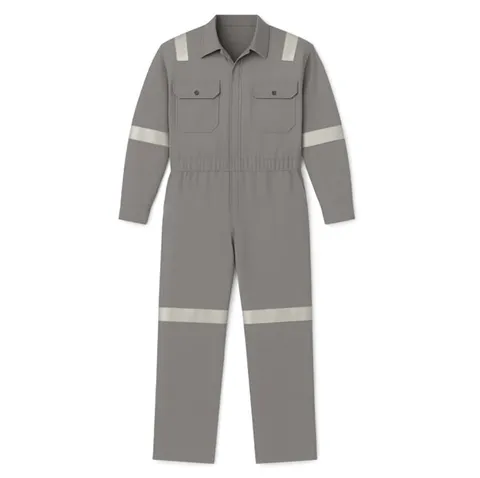
Flame resistant coveralls
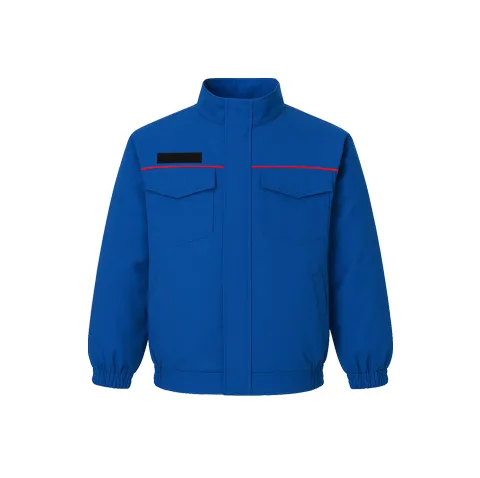
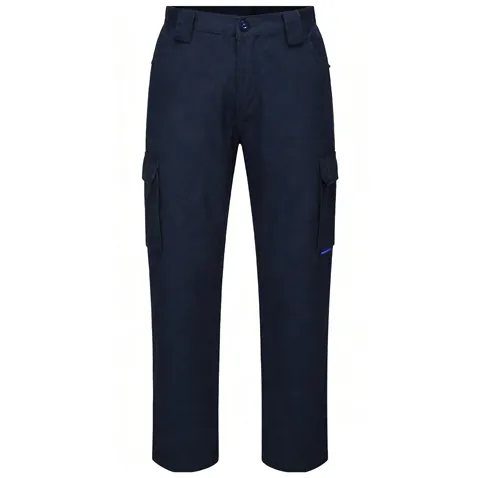
FR jackets and trousers
Anti-static workwear
Arc-rated protective clothing
Customized industrial uniforms
With experience serving demanding industrial markets, DOMEX focuses on combining:
Certified protective fabrics
Practical garment design
Stable production quality
Custom manufacturing capability
We work with companies looking for reliable long-term PPE supply rather than short-term low-cost products.
Buying FR workwear for oil and gas projects requires more than selecting a product from a catalog.
Successful procurement depends on understanding workplace hazards, selecting suitable standards, choosing the right fabric, and partnering with a manufacturer that can maintain consistent quality.
A reliable FR workwear supplier helps companies achieve three important goals:
Protect workers
Meet compliance requirements
Reduce long-term operational costs