English
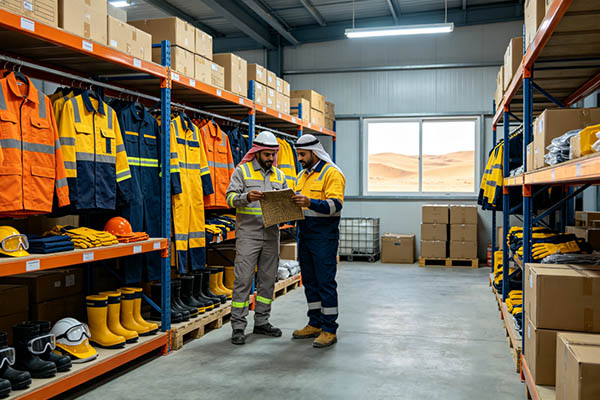
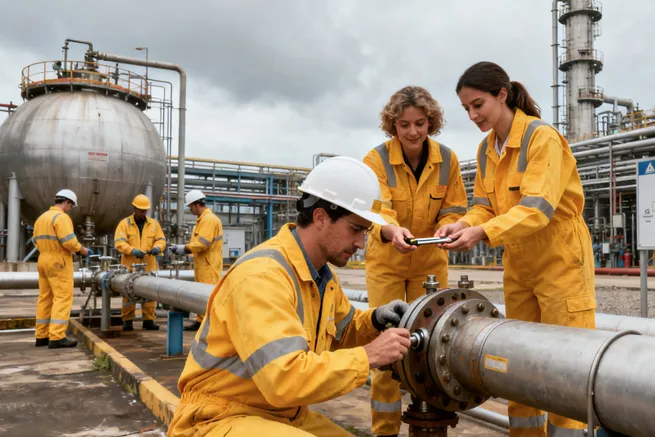
Saudi Arabia has one of the world's largest oil and gas industries, with thousands of workers involved in drilling, refining, petrochemical production, and maintenance operations.
In these high-risk environments, flame resistant (FR) workwear plays an important role in protecting workers from flash fire, heat exposure, and static-related hazards.
For companies purchasing PPE for Saudi Arabia projects, the right selection depends on more than price. Fabric performance, certification requirements, climate conditions, and supplier capability all affect the final product quality.
This guide explains the key factors to consider when sourcing FR workwear for oil and gas applications.
Oil and gas operations involve potential hazards such as:
Hydrocarbon gases, vapors, and fuels can ignite unexpectedly. Ordinary clothing may continue burning after ignition, increasing injury risk.
FR garments are designed to:
Resist ignition
Limit flame spread
Reduce heat transfer during short-duration exposure
Dry environments and flammable materials can increase static risks.
Anti-static performance is often required for workers in areas containing:
Fuel vapors
Flammable gases
Chemical substances
Saudi Arabia's hot climate creates additional challenges.
Protective clothing needs to provide safety while maintaining:
Breathability
Comfort
Mobility during long shifts
Before ordering, buyers should confirm project specifications and required certifications.
Common standards include:
Used for industrial flash fire protective clothing, especially in oil and gas applications.
It evaluates:
Fabric performance
Garment construction
Thermal protection capability
A widely recognized international standard covering protection against heat and flame.
It includes protection against:
Flame spread
Convective heat
Radiant heat
Molten metal splash
For protective clothing requiring electrostatic control in hazardous environments.
Applicable for workers exposed to electrical arc flash hazards.
The best fabric depends on the risk level, working environment, and project requirements.
Suitable for general industrial applications.
Advantages:
Soft and comfortable
Good breathability
Cost-effective
A common choice for oil and gas projects.
Advantages:
Balanced protection and comfort
Better durability
Suitable for frequent industrial washing
Recommended for higher-risk operations.
Advantages:
Inherent flame resistance
Excellent thermal protection
Long service life
A qualified FR garment should consider both protection and daily usability.
Important design features include:
Lightweight fabric options
Breathable construction
Suitable sizing for long shifts
Reinforced stress points
Strong stitching
Reliable zippers and accessories
Depending on the application:
Tool pockets
Radio loops
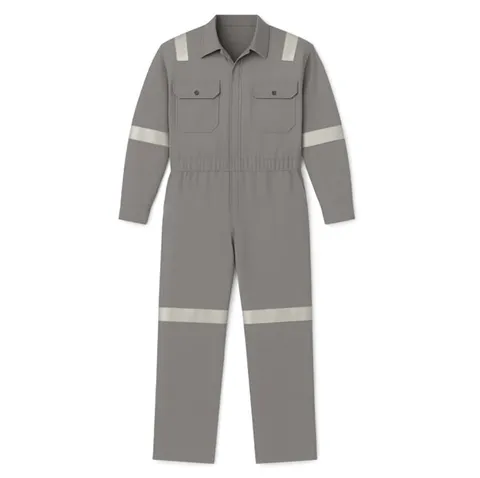
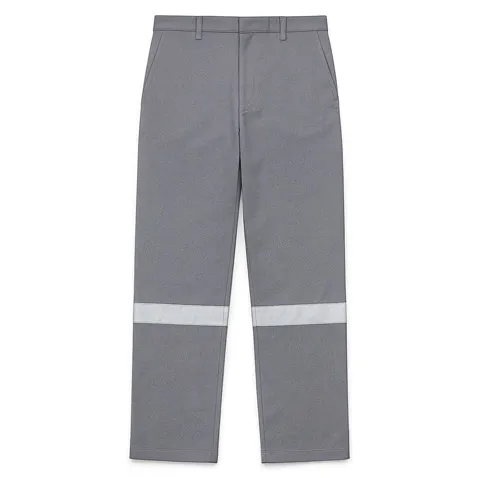
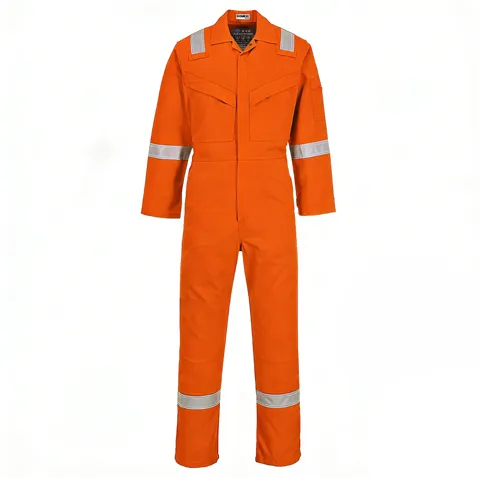
Reflective tape
Adjustable cuffs
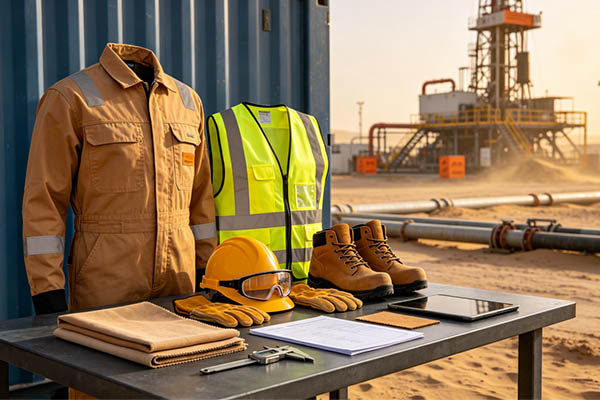
When selecting an FR workwear manufacturer, buyers should evaluate:
A reliable supplier should provide:
Fabric specifications
Test reports
Certification documents
Experience with:
Oil and gas projects
Industrial uniforms
Custom PPE production
is important for maintaining consistent quality.
For large projects, consider:
Production capacity
Repeat order capability
Quality consistency
Lower-cost products may increase replacement frequency and reduce long-term value.
Heavy fabrics may provide protection but can reduce comfort in extremely hot environments.
Before bulk production, always confirm:
Fabric performance
Size fitting
Garment details
DOMEX Safety provides customized protective clothing solutions for global industrial customers.
Our product range includes:
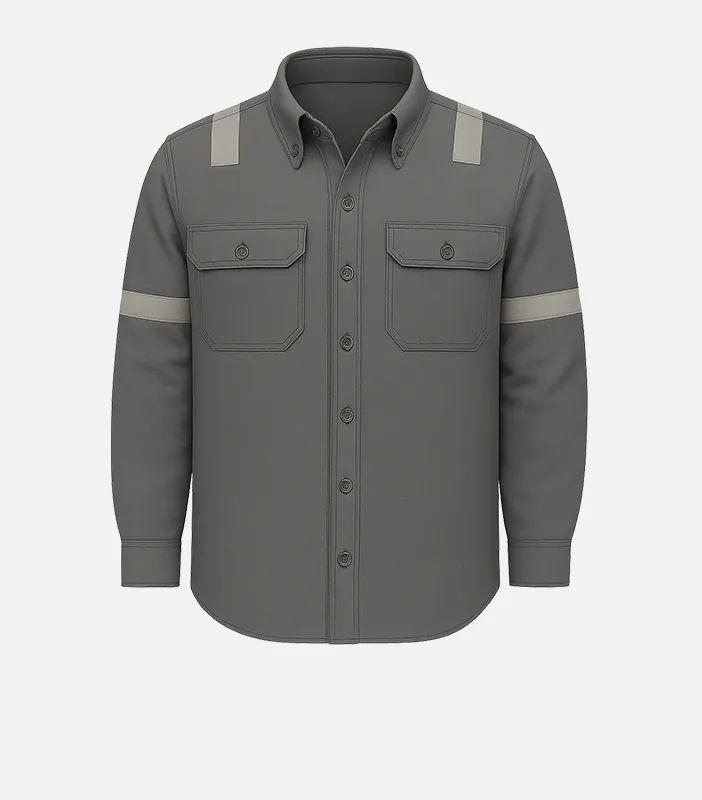
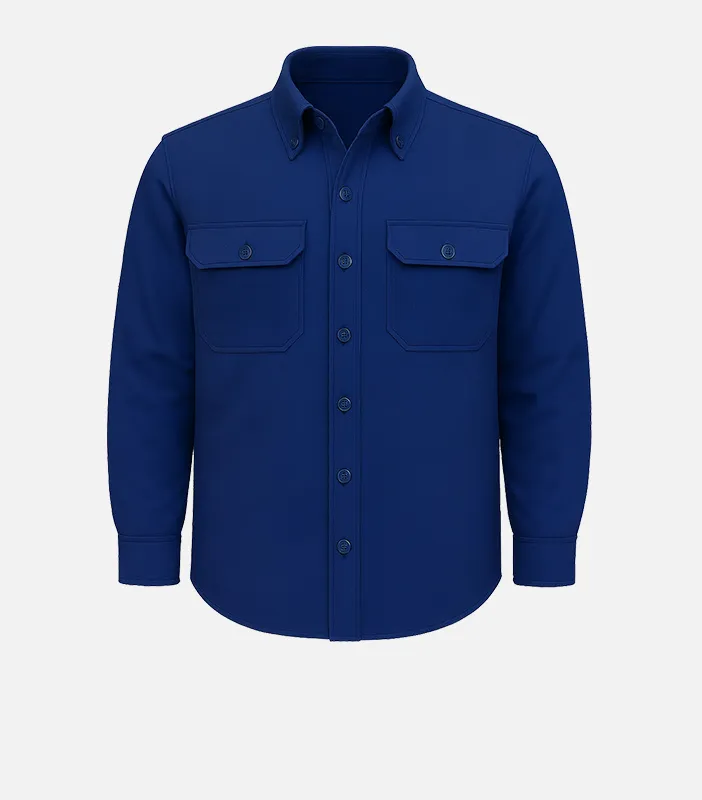
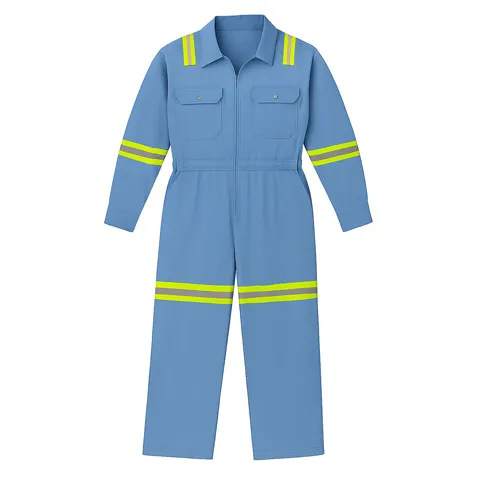
Flame resistant coveralls
Anti-static workwear
Arc-rated clothing
High visibility protective garments
We support customers with:
Professional fabric selection
Customized garment design
Stable manufacturing capability
For oil and gas companies looking for reliable FR workwear suppliers, DOMEX focuses on delivering protective solutions that balance safety, comfort, and long-term value.
Selecting FR workwear for Saudi Arabia oil and gas projects requires careful consideration of safety standards, fabric performance, climate conditions, and supplier reliability.
The right PPE partner can help companies improve worker protection, maintain compliance, and establish a stable long-term supply chain.