English
Electrical work involves some of the highest-risk hazards in industrial environments. Workers are exposed to dangers such as arc flash, electric shock, and thermal burns.
To reduce these risks, proper Personal Protective Equipment (PPE) is essential. Selecting the right PPE ensures safety, compliance, and reliable performance in electrical operations.
PPE for electrical work includes arc-rated clothing, insulating gloves, helmets, eye protection, and other equipment designed to protect against electrical hazards.
The required PPE depends on the hazard level and type of work.
Understanding the risks helps determine the correct PPE.
Key hazards include:
Arc flash and thermal energy exposure
Electric shock and contact hazards
Electrical explosions
Secondary injuries from heat and pressure
PPE must be selected based on these risks.
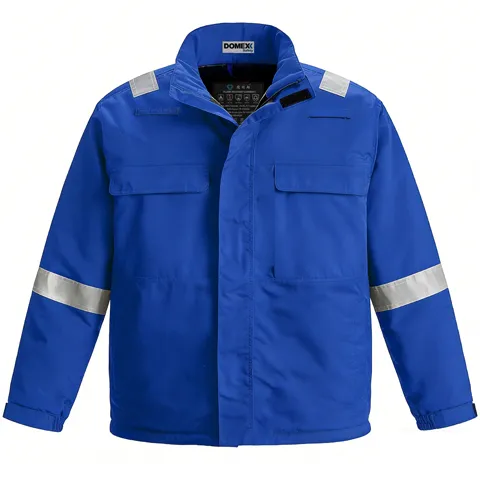
Arc-rated clothing is one of the most important PPE components.
It includes:
Arc-rated shirts and pants
FR coveralls
Arc flash suits
Key features:
Measured by arc rating (cal/cm²)
Designed to reduce burn injury
Tested under standards such as ASTM F1506 and IEC 61482
Electrical gloves protect against electric shock.
Important aspects:
Designed for voltage protection
Must be regularly tested
Often used with protective outer gloves
Protection for the head and face is critical.
Includes:
Hard hats for impact protection
Arc-rated face shields
Helmets with electrical insulation
These reduce injury from arc flash and flying debris.
Eye protection helps prevent damage from light and particles.
Examples:
Safety glasses
Arc-rated goggles
Electrical work often requires specialized footwear.
Key features:
Insulated safety boots
Slip-resistant soles
Protection from impact and electrical hazards
Electrical PPE must comply with recognized standards.
Common standards include:
NFPA 70E – Electrical safety practices
ASTM F1506 – Arc-rated clothing
IEC 61482 – Arc flash protection
EN ISO 11612 – Heat and flame protection
These standards ensure PPE performance and reliability.
Selection should be based on a hazard assessment.
Key considerations:
Incident energy level
PPE category requirements
Working conditions
Comfort and usability
Proper selection improves both safety and efficiency.
To maintain effectiveness:
Inspect PPE before use
Replace damaged equipment
Follow cleaning and storage guidelines
Conduct regular testing for electrical PPE
Maintenance is essential for reliable protection.
Electrical work requires specialized PPE to protect against serious hazards. By selecting the right protective equipment and ensuring compliance with safety standards, companies can significantly reduce risks and improve workplace safety.
Proper PPE is not optional—it is essential for safe electrical operations.