English
When selecting arc flash protective clothing, understanding IEC and EN 61482 standards is essential. These standards define how arc flash garments are tested, classified, and verified for real-world electrical hazards. For safety managers and procurement teams, knowing what these standards actually mean helps ensure proper protection, compliance, and confidence in PPE selection.
This article explains IEC 61482 and EN 61482, how arc flash clothing is tested, and why these standards matter in industrial safety programs.
IEC 61482 and EN 61482 are international and European standards that specify performance requirements and test methods for protective clothing against the thermal hazards of an electrical arc.
These standards are designed to answer one critical question:
Can the garment protect a worker from the heat energy released during an arc flash event?
Arc flash garments are evaluated using two primary test methods under IEC / EN 61482:
This test measures the incident energy level at which there is a 50% probability of second-degree burn injury.
Results expressed in cal/cm²
Higher values indicate greater protection
Commonly used for risk-based PPE selection
This method helps safety managers match clothing protection levels to hazard assessments.
The box test simulates a controlled arc inside an enclosure, representing real industrial switchgear conditions.
Class 1: Protection against a lower arc fault level
Class 2: Protection against a higher arc fault level
Box test classification helps evaluate garment performance under specific arc exposure scenarios.
Passing IEC / EN 61482 testing confirms that garments:
Do not ignite or continue burning
Limit heat transfer to the skin
Maintain structural integrity during exposure
Reduce injury severity in arc flash incidents
However, protection is only reliable when garments are used correctly and maintained properly.
While IEC / EN 61482 focus on arc flash performance, they are often used alongside other standards:
ASTM F1506 – Defines requirements for arc-rated fabrics
NFPA 70E – Provides guidance on electrical safety and PPE selection
EN ISO 11612 – Addresses flame and heat protection
Together, these standards form a comprehensive framework for arc flash PPE selection.
Arc flash protection is available across multiple garment types, including:
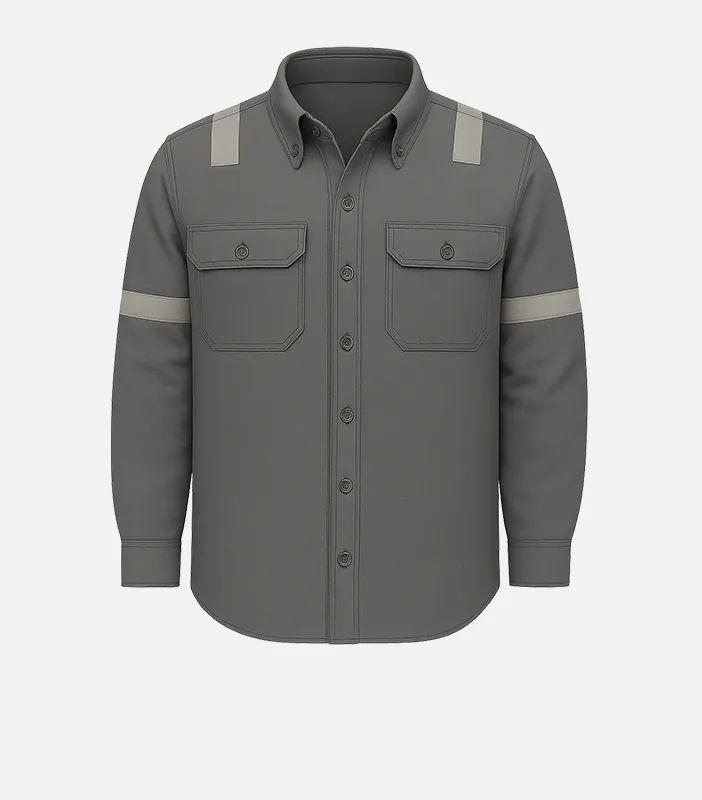
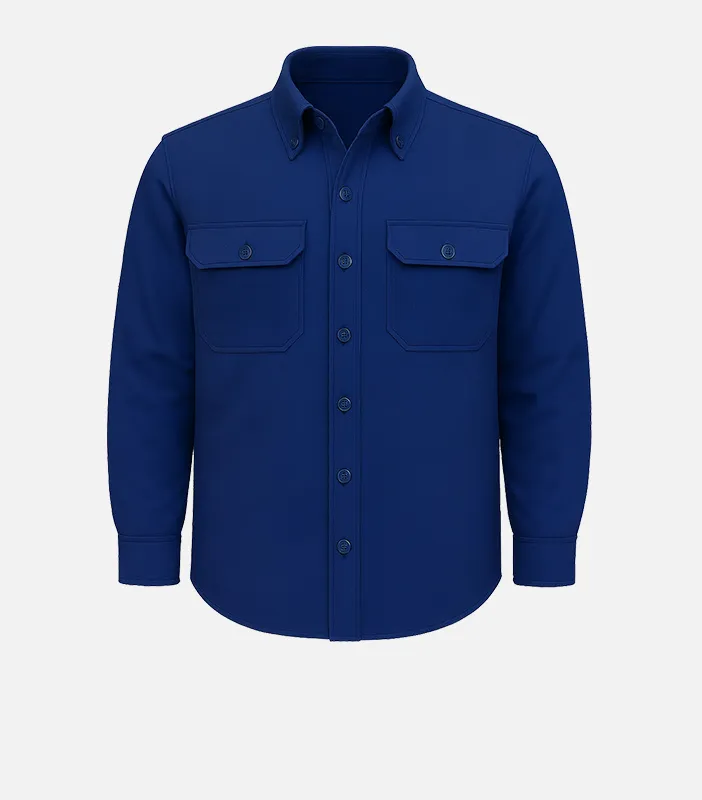
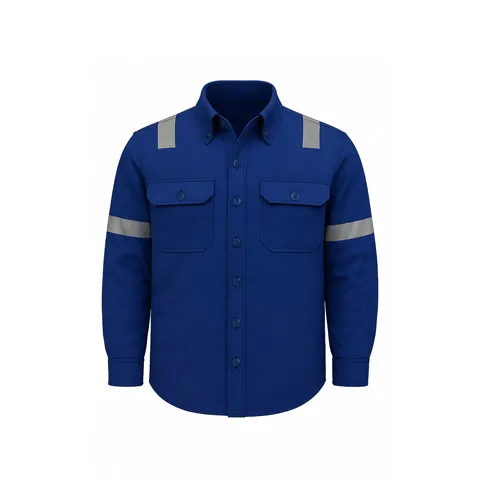
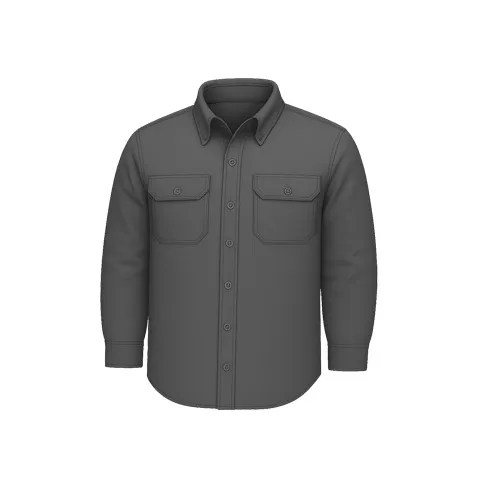
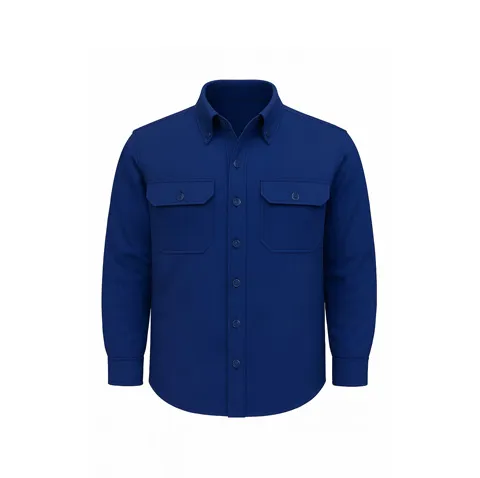
Arc flash shirts
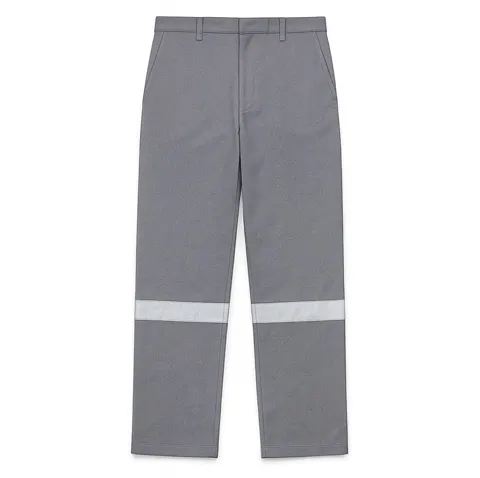
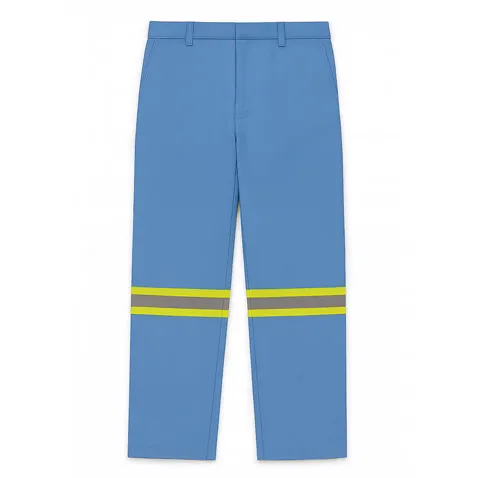
Arc flash pants
Arc flash jackets
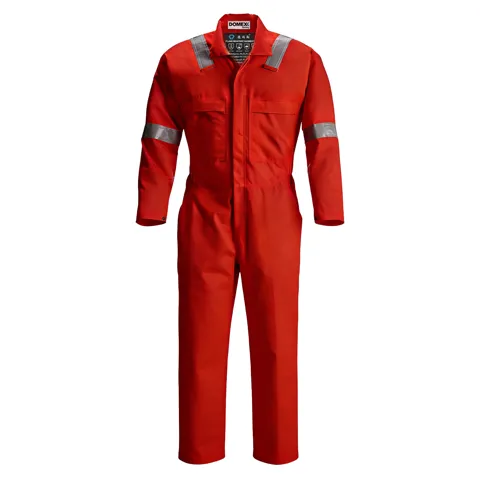
Arc flash coveralls
Each garment type can be tested and certified under IEC / EN 61482 depending on design, fabric, and construction.
Certification alone is not enough. Arc flash clothing must maintain performance through repeated use and washing.
Key considerations include:
Controlled shrinkage and fit retention
Resistance to fabric degradation
Proper laundering procedures
Regular inspection and replacement
Industrial washing durability plays a vital role in sustaining arc-rated protection over time.
Understanding IEC and EN 61482 helps safety managers:
Select appropriate arc-rated PPE
Align clothing with risk assessments
Support compliance audits and documentation
Improve worker confidence and safety culture
Choosing certified garments reduces uncertainty and strengthens electrical safety programs.
IEC and EN 61482 standards provide the foundation for reliable arc flash protection. By understanding how garments are tested, classified, and maintained, employers can make informed decisions that protect workers from one of the most severe electrical hazards.
Arc flash PPE is not just about meeting standards—it’s about protecting lives under extreme conditions.