English
In many industrial and outdoor work environments, visibility is critical for worker safety. Whether on highways, construction sites, or industrial facilities, being seen can prevent accidents and save lives.
To ensure consistent performance, high-visibility garments must meet specific standards. One of the most widely used is EN ISO 20471, which defines requirements for high-visibility protective clothing.
EN ISO 20471 is an international standard that specifies requirements for high-visibility clothing used in professional environments.
It ensures that garments:
Enhance visibility in daylight and low-light conditions
Use certified fluorescent materials
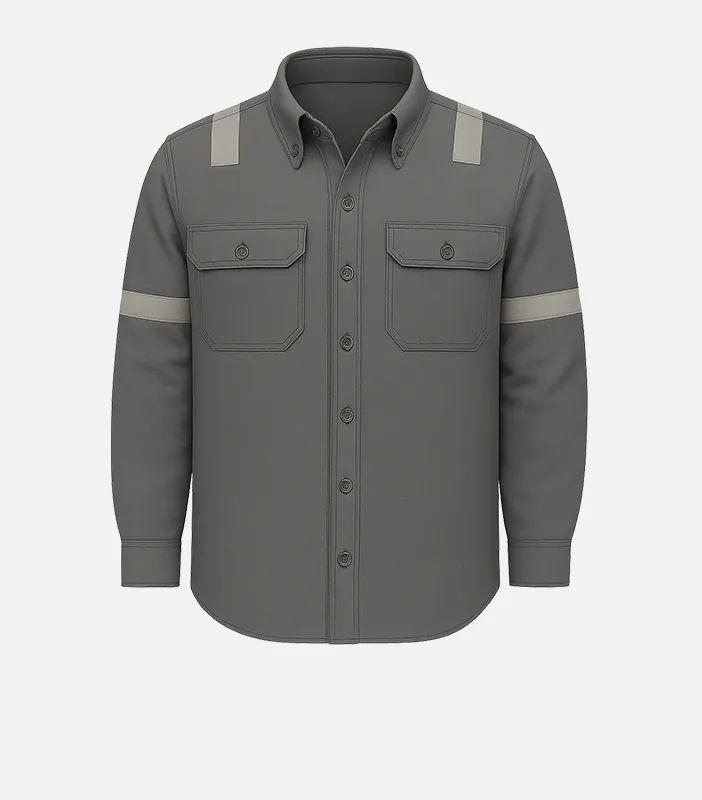
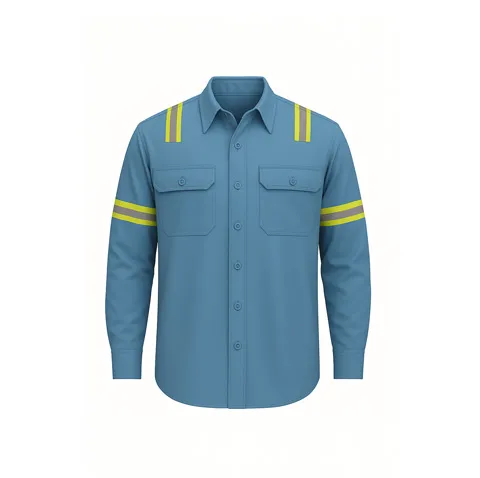
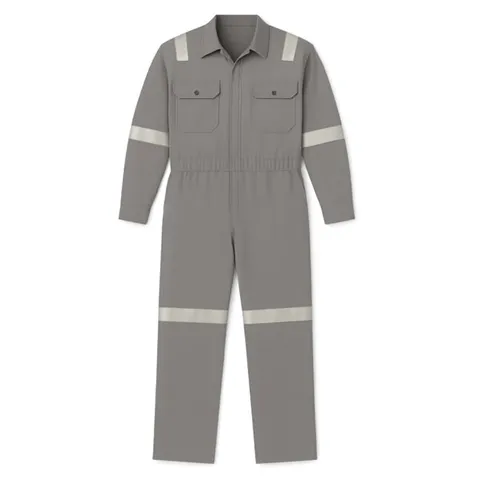
Include reflective elements for night visibility
Provide sufficient coverage for worker recognition
It is widely used across Europe and global industrial projects.
Poor visibility is a major cause of workplace accidents, especially in environments with moving vehicles or machinery.
High-visibility clothing helps:
Improve worker visibility at long distances
Reduce accident risks in low-light conditions
Increase awareness in busy work zones
This is essential for both worker safety and operational efficiency.
The standard divides garments into three classes based on visibility performance.
CLASS 1 – MINIMUM VISIBILITY
Lowest level of protection
Suitable for low-risk environments
CLASS 2 – MEDIUM VISIBILITY
Commonly used in industrial work
Provides improved visibility in most conditions
CLASS 3 – MAXIMUM VISIBILITY
Highest level of protection
Required in high-risk environments such as highways
Higher visibility and safety.
EN ISO 20471 defines two main elements:
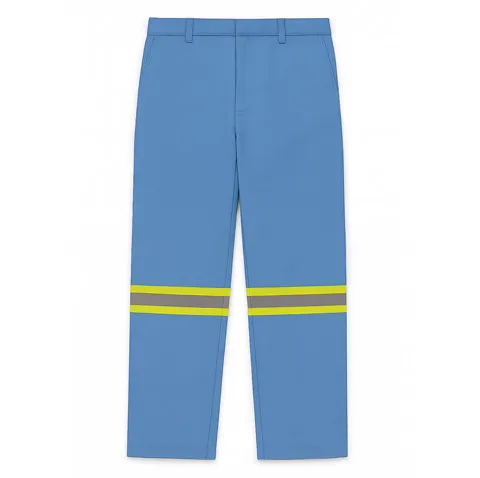
FLUORESCENT MATERIAL
Provides visibility during daylight
Common colors: yellow, orange, red
REFLECTIVE MATERIAL
Reflects light in dark conditions
Improves visibility at night
Both components must work together for full protection.
High-visibility clothing is essential in:
Road construction and traffic control
Rail and transportation sectors
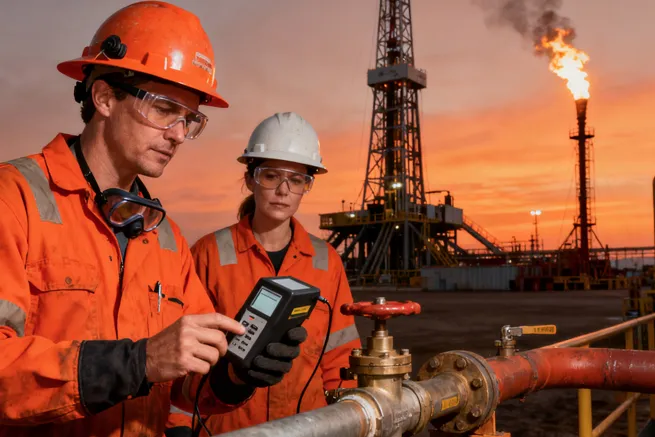
Oil & gas operations
Logistics and warehouse environments
Construction and infrastructure projects
In many cases, hi-vis clothing is combined with flame-resistant and anti-static protection.
When selecting high-visibility workwear, consider:
Certified EN ISO 20471 compliance
Durable reflective tape
Comfortable and breathable fabric
Proper garment fit and design
Compatibility with multi-hazard protection
These factors ensure both safety and usability.
To maintain visibility performance:
Wash according to instructions
Avoid harsh chemicals
Replace garments if reflective elements fade
Store properly to prevent damage
Maintaining visibility is essential for safety.
EN ISO 20471 plays a vital role in ensuring that workers remain visible in hazardous environments. By selecting certified high-visibility clothing, companies can significantly reduce accident risks and improve workplace safety.
Visibility is not just a feature—it is a critical layer of protection.