English
When selecting flame-resistant (FR) workwear, many companies face a common question: should workers wear FR coveralls or a two-piece FR uniform (jacket and pants)?
Both options provide protection against heat and flame hazards, but their performance, comfort, and suitability vary depending on the working environment. Choosing the right option can improve both worker safety and operational efficiency.
FR coveralls provide full-body protection with fewer exposure gaps, while FR uniforms offer greater flexibility and comfort for daily work.
The best choice depends on hazard level, working conditions, and job requirements.
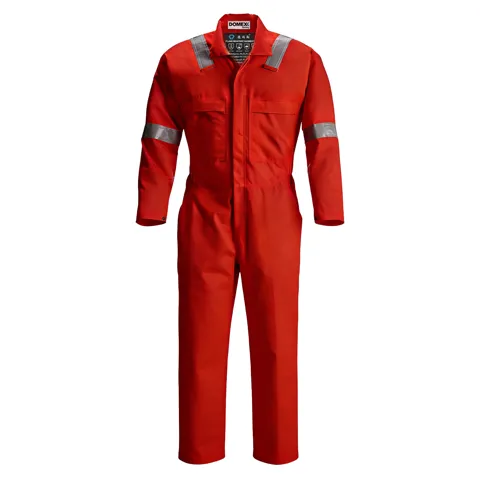
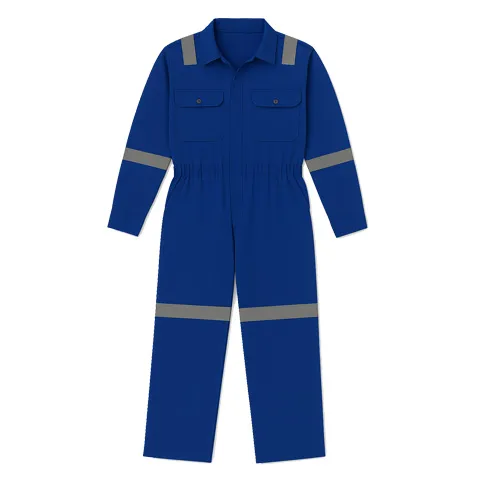
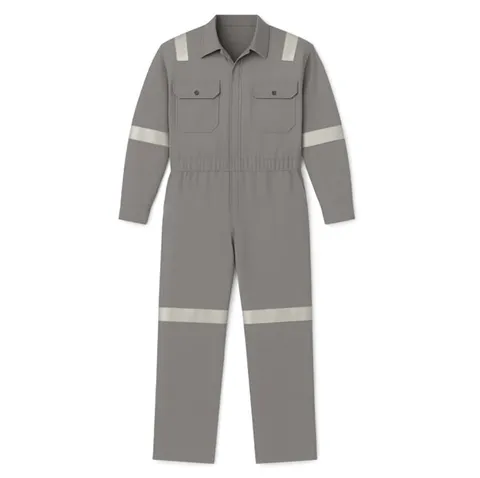
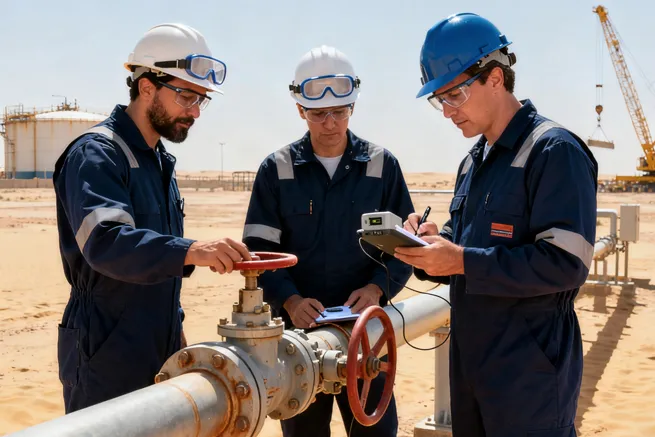
An FR coverall is a one-piece protective garment designed to provide continuous coverage from neck to ankle.
Key advantages:
Full-body protection with minimal exposure risk
Reduced risk of garments separating during movement
Ideal for high-risk environments
Easy to wear as a complete protective solution
FR coveralls are commonly used in industries where flash fire hazards are present.
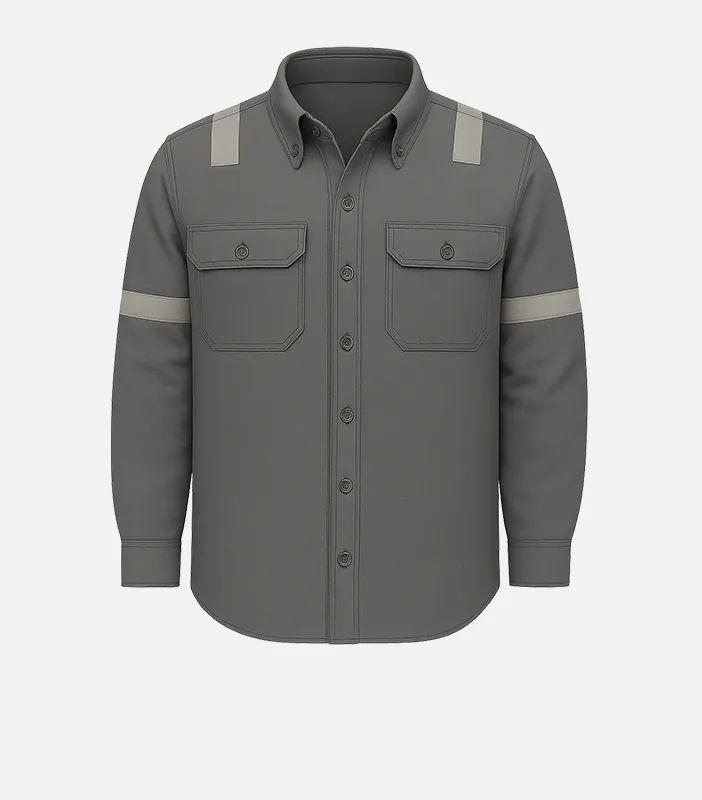
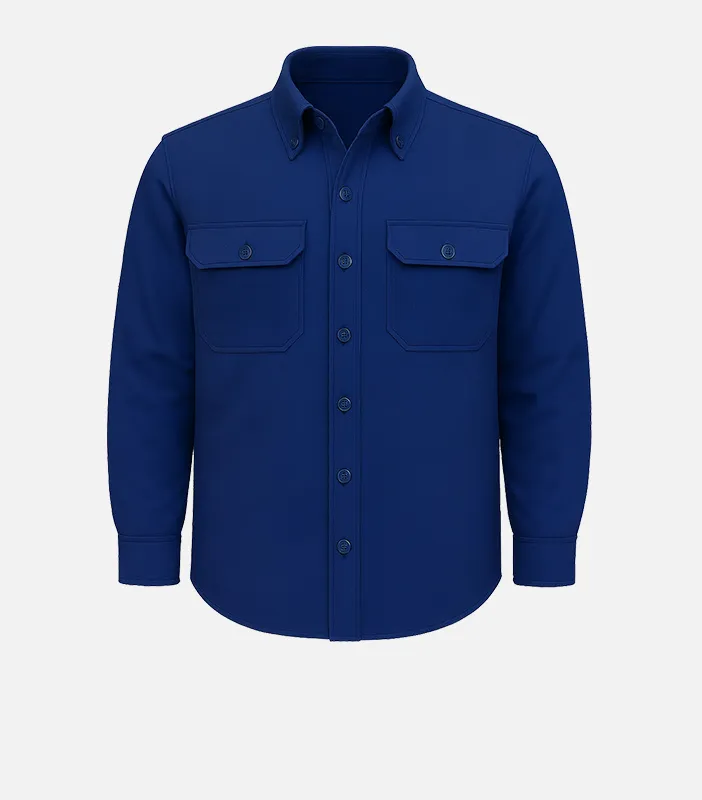
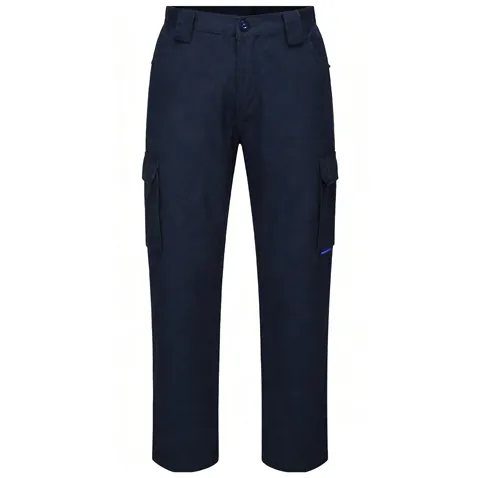
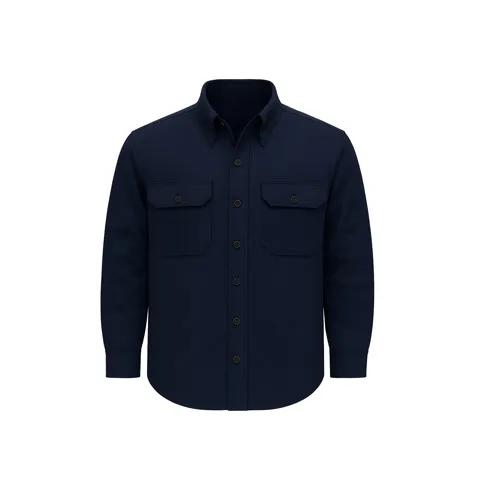
An FR uniform typically consists of separate FR jacket and FR pants, offering more flexibility in daily operations.
Key advantages:
Better ventilation and comfort
Easier to adjust for different weather conditions
More convenient for daily wear
Allows mixing of different garment layers
This option is widely used in general industrial and maintenance work.
PROTECTION LEVEL
FR Coverall → Higher overall protection due to full coverage
FR Uniform → May have exposure gaps between jacket and pants
COMFORT AND BREATHABILITY
FR Coverall → Slightly heavier and warmer
FR Uniform → Better airflow and flexibility
CONVENIENCE
FR Coverall → Quick to put on, simple system
FR Uniform → More adaptable for different tasks
WORK ENVIRONMENT
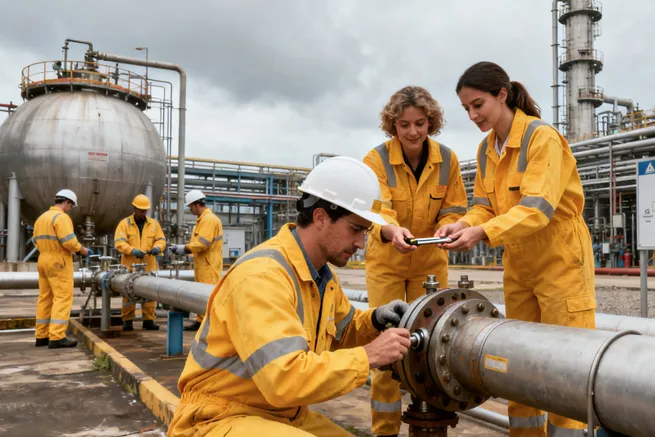
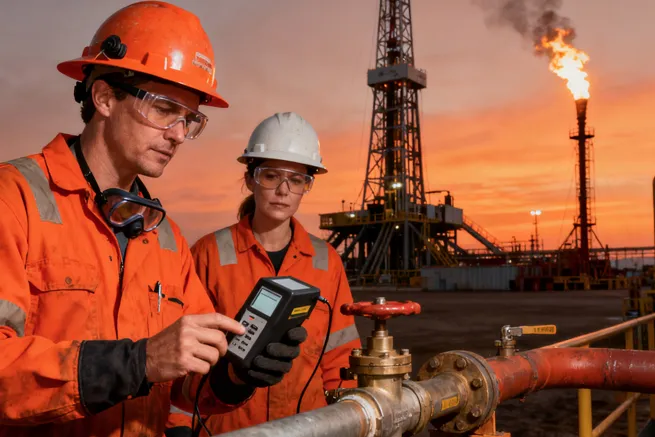
FR Coverall → Best for oil & gas, petrochemical, high-risk sites
lFR Uniform → Suitable for maintenance, manufacturing, utilities
OIL & GAS / PETROCHEMICAL
FR coveralls are typically preferred due to higher risk levels
ELECTRICAL UTILITIES
Both options are used depending on arc flash risk level
MANUFACTURING / MAINTENANCE
FR uniforms are more common for comfort and flexibility
Regardless of the type, high-quality FR workwear should include:
Certified flame-resistant performance
Durable construction for industrial use
Comfortable and breathable fabrics
Functional design for daily tasks
These features ensure both safety and usability.
There is no one-size-fits-all answer when choosing between FR coveralls and FR uniforms. The right decision depends on the level of risk, working conditions, and operational needs.
For high-risk environments, FR coveralls provide better protection, while FR uniforms offer flexibility and comfort for daily tasks.
Selecting the right workwear solution helps improve safety, productivity, and long-term performance.