English
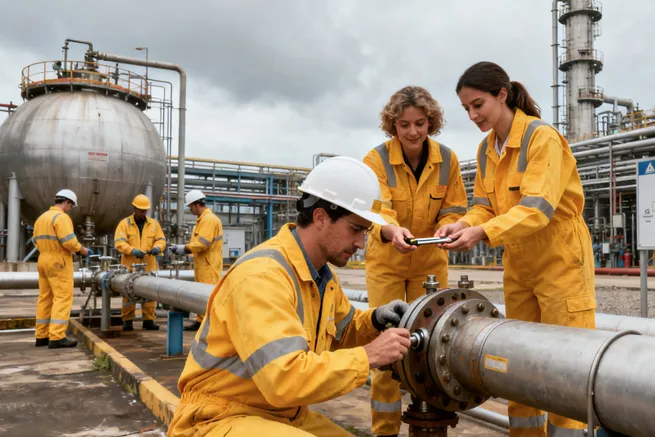
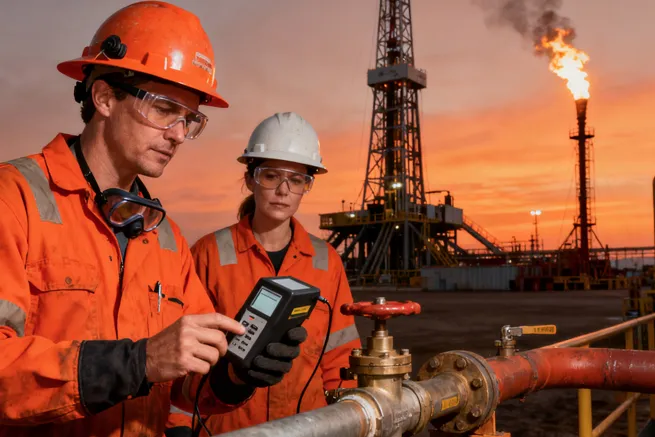
The oil and gas industry is one of the most hazardous working environments in the world. Workers are exposed to risks such as fire, explosions, toxic substances, and electrical hazards.
To reduce these risks, proper Personal Protective Equipment (PPE) is essential. Understanding what PPE is required in oil and gas operations helps companies improve safety and ensure compliance.
PPE in the oil and gas industry refers to protective equipment and clothing designed to protect workers from fire, heat, chemical exposure, and other industrial hazards.
It is a critical part of daily operations in both onshore and offshore environments.
Oil and gas operations involve multiple high-risk hazards.
Common risks include:
Flash fire and explosion hazards
Arc flash from electrical systems
Static electricity in flammable atmospheres
Exposure to chemicals and gases
Mechanical and environmental risks
PPE must be selected based on these hazards.
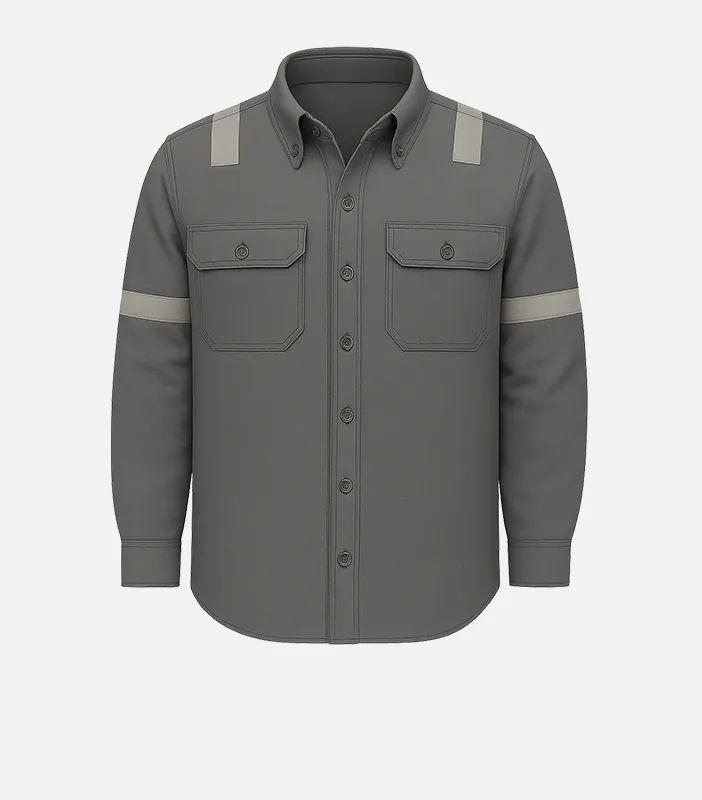
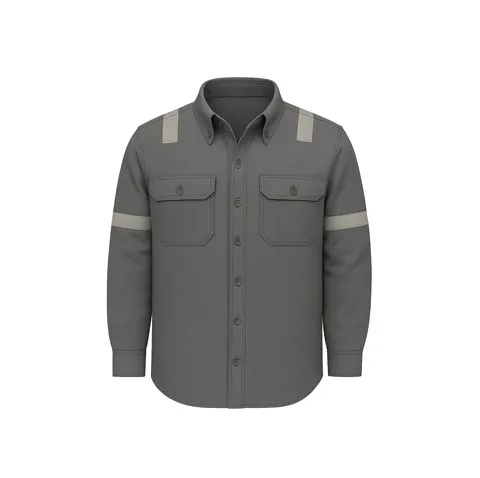
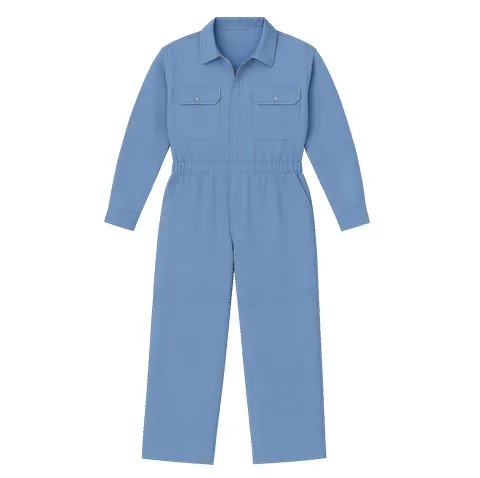
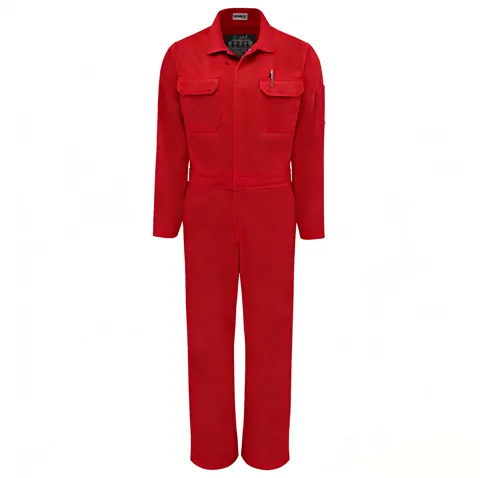
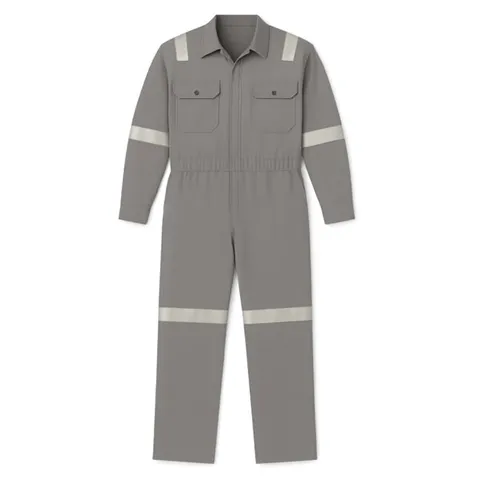
FLAME-RESISTANT (FR) CLOTHING
Protects against flash fire
Self-extinguishing fabric
Commonly used in refineries and drilling sites
ARC-RATED CLOTHING
Protects against electrical arc flash
Measured by arc rating (cal/cm²)
Used in electrical maintenance tasks
ANTI-STATIC WORKWEAR
Prevents electrostatic discharge
Reduces ignition risk
Essential in hazardous zones
OTHER PPE
Helmets and hard hats
Safety gloves
Protective footwear
Eye and face protection
A complete PPE system is required for full protection.
Protective equipment must comply with recognized standards.
Common standards include:
NFPA 2112 – Flash fire protection
EN ISO 11612 – Heat and flame protection
EN 1149-5 – Anti-static performance
ASTM F1506 / IEC 61482 – Arc flash protection
Compliance ensures reliable performance in hazardous conditions.
In many oil and gas environments, workers face multiple risks simultaneously.
Modern PPE often combines:
Flame resistance
Arc flash protection
Anti-static properties
Multi-hazard garments provide a practical and efficient solution.
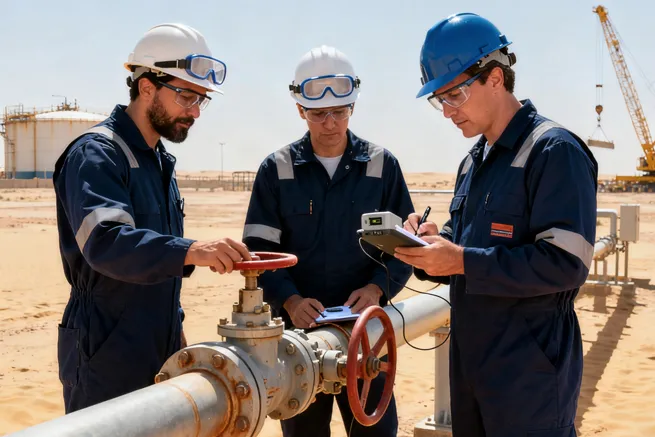
Oil and gas operations often take place in extreme environments.
Important factors include:
Breathability in hot climates
Insulation in cold environments
Lightweight design for long shifts
Comfort improves worker compliance and safety.
To ensure PPE remains effective:
Clean garments regularly
Avoid contamination
Inspect for damage
Replace worn equipment
Proper maintenance is essential for safety.
PPE in the oil and gas industry is not optional—it is essential for protecting workers from serious hazards. By selecting the right protective equipment and ensuring compliance with safety standards, companies can reduce risks and improve operational safety.
Investing in high-quality PPE supports both safety and long-term performance.