English
Electrical work environments require different levels of protection depending on the severity of arc flash hazards. To simplify selection, safety standards classify protective clothing into PPE categories (CAT 1 to CAT 4) based on the level of thermal protection provided.
Understanding the differences between these categories helps companies choose the right arc-rated clothing and ensure worker safety in electrical operations.
Arc flash PPE categories define the minimum arc rating required for protective clothing.
Each category corresponds to a specific incident energy level (cal/cm²):
CAT 1 → 4 cal/cm²
CAT 2 → 8 cal/cm²
CAT 3 → 25 cal/cm²
CAT 4 → 40 cal/cm²
Higher category = higher protection level
Minimum arc rating: 4 cal/cm²
CAT 1 is used for low-risk electrical tasks.
Typical applications:
Basic electrical maintenance
Equipment inspection
Low-voltage systems
Common clothing:
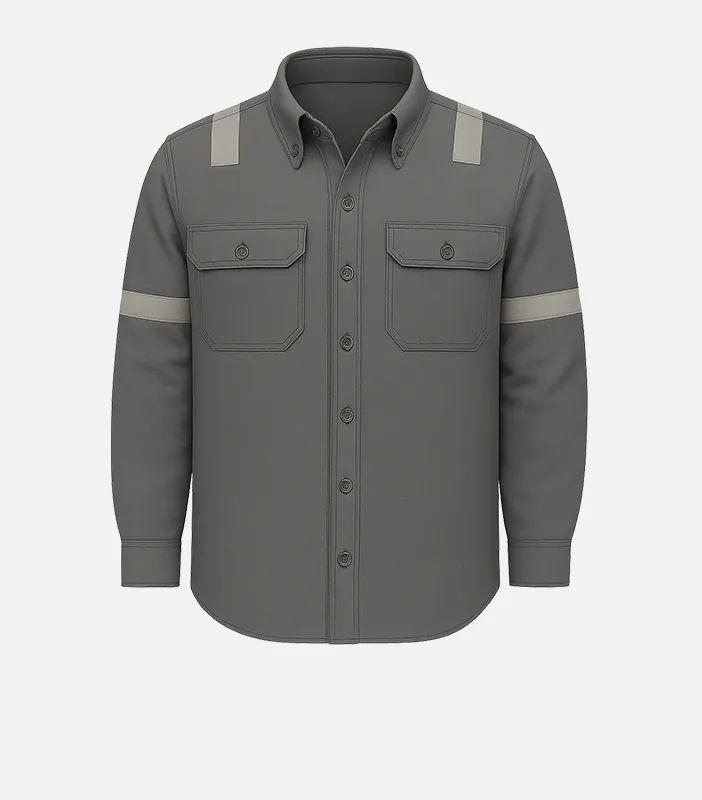
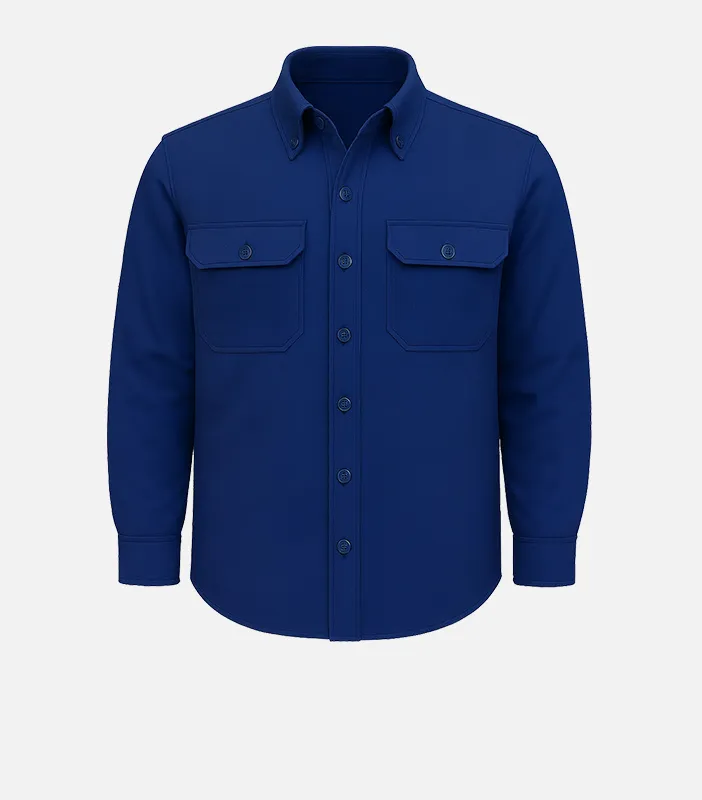
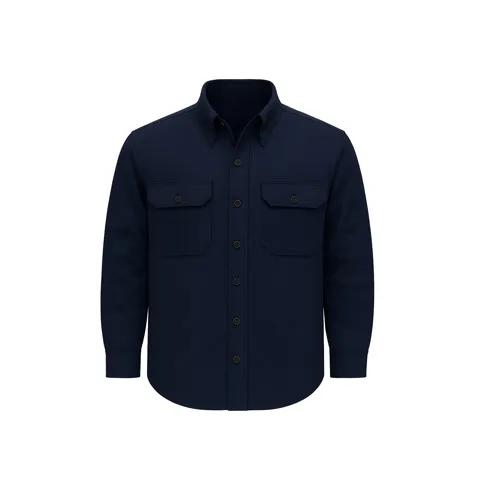
Arc-rated shirt
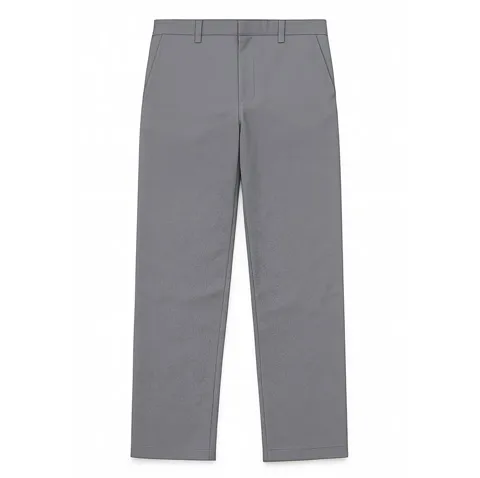
Arc-rated pants
Suitable for environments with limited arc exposure risk.
Minimum arc rating: 8 cal/cm²
CAT 2 is one of the most commonly used protection levels in industrial settings.
Typical applications:
General electrical work
Panel operations
Maintenance of energized equipment
Common clothing:
Arc-rated shirt and pants
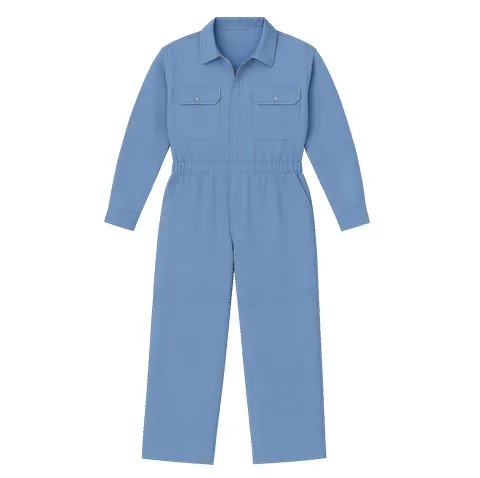
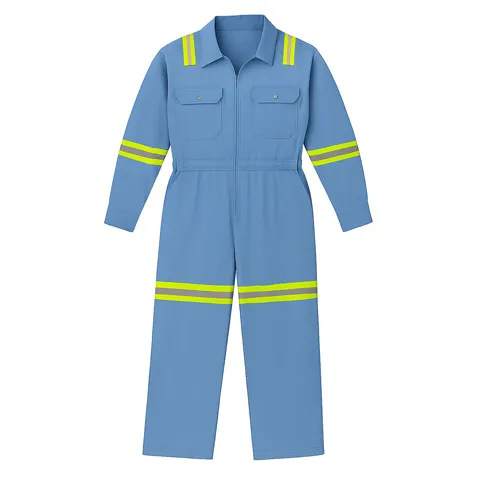
FR coveralls
Provides a balance between protection and comfort.
Minimum arc rating: 25 cal/cm²
CAT 3 is required for higher-risk electrical tasks where arc energy levels are significant.
Typical applications:
Work on high-energy systems
Industrial electrical maintenance
Substation operations
Common clothing:
Multi-layer arc-rated systems
Arc flash jackets and coveralls
Requires heavier protection due to increased hazard levels.
Minimum arc rating: 40 cal/cm²
Although this guide focuses on CAT 1–3, CAT 4 represents the highest level of protection.
Used in:
Extreme hazard environments
High-voltage operations
Category | Arc Rating | Protection Level | Typical Use |
CAT 1 | 4 cal/cm² | Low | Inspection, light tasks |
CAT 2 | 8 cal/cm² | Medium | General electrical work |
CAT 3 | 25 cal/cm² | High | High-risk electrical operations |
Selecting the correct category should always be based on a hazard risk assessment.
Key factors include:
Incident energy level
Working distance
Type of equipment
Task being performed
Wearing insufficient protection increases injury risk, while excessive protection may reduce comfort and productivity.
Depending on the required category, different garments may be used:
Arc-rated shirts and pants
FR coveralls
Arc flash jackets
Multi-layer protective systems
Many modern garments combine flame resistance, arc protection, and anti-static properties.
Understanding the differences between CAT 1, CAT 2, and CAT 3 arc flash PPE is essential for selecting the right level of protection. Matching PPE to the actual hazard ensures both safety compliance and worker comfort.
Choosing the correct arc-rated clothing helps reduce risks and supports safe operations in electrical environments.